Blogs

August 21, 2025
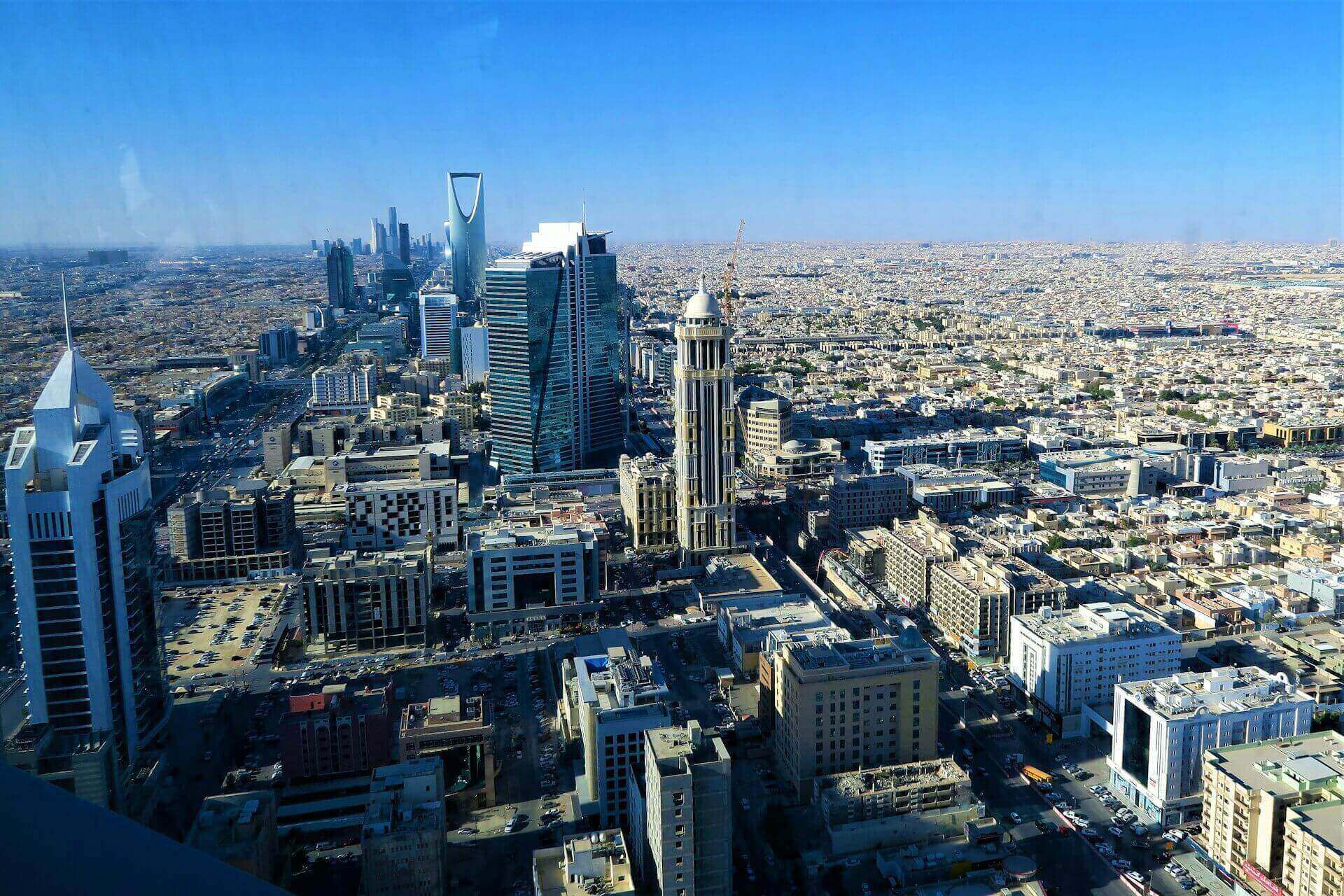
When searching for a home in Riyadh, the first question isn't usually about price or the number of rooms… it's about the district. Which area can give you the lifestyle you're looking for? Peace and quiet… proximity to work… or perhaps a community that grows with you, step by step.
When we talk about West Riyadh districts, the story is broader than just names on a map. Here, you find established districts carrying the city's authenticity, like Al Badi'ah and Al Urayja, alongside vibrant new communities like Tuwaiq and Al Mahdiyah. Some are gateways for investment in Riyadh, while others offer quiet family living.
But which one is truly right for you? Are you looking for the best areas in West Riyadh for families, or do you want a ranked list to compare options? Is your priority to get ahead in new districts in West Riyadh with promising futures, or to understand the entire future of West Riyadh?
The answer doesn't come from a ready-made list, but from a map drawn to the measure of your life. In this article, we will provide all the details you need to choose a district that doesn't just give you an address… but gives you comfort and a sense of belonging.
Saying "West Riyadh" isn’t just about a geographical direction… it’s about an area of the city with its own distinct character.
Here, longstanding districts known to Riyadh's residents—like Al Badi'ah, Al Urayja, and Al Suwaidi—stand side-by-side with rapidly growing areas like Dhahrat Laban, Namar, and Tuwaiq.
The West is the natural corridor to Wadi Hanifa and the extension linking the city to Makkah Road and the Western Ring Road. It's an area where traditional alleyways coexist with modern villas, and traditional markets blend with new shopping centers.
In other words, West Riyadh isn't just a "part of the map"; it's a diverse canvas: families seeking stability in quiet neighborhoods, young professionals choosing apartments for sale in Riyadh close to work, and investors seeing a future taking shape with every new project.
As you explore West Riyadh, you'll discover that each district tells a different story. Some resemble the city's memory, while others resemble the future being built before your eyes.
In Dhahrat Laban, for example, you feel the area was designed for families. Wide streets, homes in a friendly spirit, and proximity to Wadi Laban, which gives the district a natural outlet. Here, you're not just looking for a house… but for a neighborhood that feels like a "big home" where everyone knows everyone.
As for Namar, it's a tale of rapid expansion and growth. New, vibrant communities and modern villas at prices that are still reasonable compared to other parts of the city. Many see it as an "opportunity" – today's district that could become tomorrow's address.
In Irqah, the scene is different. The district is close to Wadi Hanifa and Diriyah, carrying an upscale character and notable tranquility. Those who choose Irqah aren't just looking for a dwelling, but for a location with value that appreciates over time.
Then there are Al Badi'ah, Al Urayja, and Al Suwaidi… established districts full of life. Markets, restaurants, streets bustling with daily stories. Those who live here often want to be close to everything, even if it comes at the expense of quiet.
And of course, we can't forget Tuwaiq and Al Ghuroob, districts born recently, bearing the features of Riyadh's new generation of urban design: modern buildings, organized streets, and options suitable for those wanting a different beginning.
Each of these districts isn't just a name on a map… it's a choice of lifestyle. The real question isn't "which is the best?" but "which one is more like you?"
This ranking isn't a race between districts… but an attempt to draw a clear map based on what you're looking for. Because what is "best" for a young family may not be ideal for an investor, and what suits someone seeking quiet may not satisfy someone looking for daily activity.
If we start from a family perspective, the priority is usually quiet and nearby services. Here, Dhahrat Laban stands out at the forefront, followed by Irqah with its upscale and tranquil character. After that, districts like Al Ghuroob/Tuwaiq offer modern homes at mid-range prices, then Namar for those who want larger spaces at a reasonable price, and finally Al Badi'ah and Al Urayja, where you experience city life in all its details.
For those looking through an investor's lens, the map might look different:
Namar and Tuwaiq first, due to urban growth and increasing demand.
Then Dhahrat Laban, with its consistent residential demand and availability of services.
Followed by Irqah, which promises long-term value due to its proximity to Diriyah and the Diplomatic Quarter.
And finally, Al Urayja and Al Badi'ah, with their densely populated areas offering strong rental opportunities.
Therefore, the ranking isn't a rigid list, but a mirror of your needs. The place that suits your family may not be the first choice for your investment portfolio… and vice versa.
In West Riyadh, there are districts that don't just have a new name… they have the feeling of a city growing before you.
Take Al Mahdiyah, for example. A district still taking shape, with modern homes, wide streets, and families choosing to start their lives here because prices are still reasonable compared to the center and north. The place gives you a feeling of "opportunity" – to be among the first to plant roots in a district whose value will increase with every year.
In Al Ghuroob, part of the Tuwaiq extension, the scene is slightly different. Its development is faster, with villas and apartments built on a modern pattern, while services catch up gradually. It's often the choice of young professionals or families looking for a different start outside the hustle of old districts.
Then there are the extensions of Namar, transforming day by day into a new canvas for the city. Roads being paved, land being subdivided, and housing projects coming to light. Walking through these districts is like looking at a blank notebook where the first stories are being written.
These new districts in West Riyadh don't just give you a house… they give you the chance to grow with the place itself. To live the moment the district transforms from a mere plan on paper into a living community with its children, cafes, and parks.
Living in any district isn't measured by the beauty of its streets alone, but by the time you spend trying to get to work, school, or even a cafe you love. And West Riyadh knows this reality well.
Today, the Western Ring Road has become a main artery connecting most districts to the rest of the city. From it branch the roads leading to downtown Riyadh or towards Makkah Road. The Wadi Laban Bridge isn't just a bridge; it's a daily gateway for thousands crossing between east and west.
With the launch of the Orange Line Metro (Line 6), the scene has changed even more. The line that cuts the city from east to west has given residents of Dhahrat Laban, Al Urayja, and Namar a new option: to reach central Riyadh without spending half their day in traffic.
These details may seem small on paper… but they are what determine what your day will look like. Leaving home assured the road is short, finding an alternative to the car, having the district connected to the city, not isolated from it. All this makes the difference between a house you inhabit… and a house you live in.
In West Riyadh, nature isn't far away… it's a close neighbor knocking on your door every day.
When you go down to Wadi Hanifa, you feel as if you've left the city without actually leaving. Trees stretching as far as the eye can see, paths for walking and cycling, and water flowing quietly between the districts. Here, leaving the house becomes a short outing enough to refresh your day.
With the Riyadh Sports Boulevard, it's become more than just a park. A path stretching like a green thread connecting West Riyadh to the east, giving you the option to run or cycle from Wadi Laban to the heart of the capital. It's not just an urban project… it's an invitation for Riyadh to be a city experienced with your steps, not just your car wheels.
Adding to that the Riyadh Green initiatives, you'll see how the face of the West changes every day. New trees being planted, recreational spaces expanding, and the city becoming less noisy and more spacious.
The West isn't just districts of houses and asphalt… it's a place where you live the idea that nature can be part of your daily life, not a seasonal outing to be postponed.
When thinking about investment in Riyadh, you're not just looking for a property… but for a city transforming every day into a larger, more vibrant version of itself. And West Riyadh, specifically, has become a space carrying two promises at once: family-friendly living and an investment that grows with the capital's expansion.
Take Wadi Laban Square, for example. A modern project in the heart of Dhahrat Laban, a district experiencing rapid growth, where population density has increased notably. A mall here isn't just a property for rent; it's a daily meeting point between residents and their services. Your investment there moves with every visit, with every shop and cafe that opens its doors.
As for Yamama City Center, it's a beating heart in Al Olaya, but its influence reaches West Riyadh through the new metro network and roads. Apartments designed in the Salmani style, integrated services… those who choose it know they are putting their money into a project that balances authenticity with a modern vision.
Looking at Al Sahafa Tower, you'll find a commercial project suitable not only for individuals but for companies and institutions that see the capital preparing for greater expansion. A tower like this isn't just a building for rent… it's an address for a new phase of the business market in Riyadh.
Investment here doesn't mean buying today to sell tomorrow, but understanding how the city moves: how demand changes, how roads open, and how districts grow around projects like these. Only then does real estate become more than brick and mortar… it becomes a decision that preserves its value over time.
Choosing a district isn't a mathematical equation… it's a mirror of your life.
Think first about your day: How many minutes can you tolerate on your commute to work? Do you care if your children's school is a five-minute walk away, or is it more important to find a green space near your home?
Second, observe your rhythm. Some people thrive in quiet districts like Irqah and Dhahrat Laban, where the streets are wider and life moves slower. Others need daily activity, markets, and nearby cafes… and there, districts like Al Urayja or Al Badi'ah suit them.
And don't forget to calculate the future with the present. New districts in West Riyadh like Al Mahdiyah or Al Ghuroob might seem a bit farther away today, but they carry a promise of growth over time – their prices are more flexible now, and their value in a few years could be completely different.
In the end, there is no "perfect district" for everyone… there is a district that resembles you. And if you choose a place that aligns with the details of your day and your ambitions, you'll discover that the address wasn't just a location on a map… but a decision that gives you peace every morning.
West Riyadh today resembles a massive construction site… the noise of trucks, rising towers, and roads stretching towards a new horizon.
But behind this temporary scene, a future is quietly forming.
Here, new universities and major parks will emerge, and here the connection of districts to the metro network and highways will be completed. All these small details that seem distant today will become what gives residents of Al Ghuroob, Al Mahdiyah, and Irqah an easier and more beautiful life tomorrow.
Investing in West Riyadh today isn't just about buying land or an apartment. It's a bet on the future of a city growing rapidly. In a few years, people will say these districts were "outside Riyadh" and then became its beating heart.
Think of it as a planting moment. Today you plant the seed… and tomorrow you see a tree shading your home and increasing its value.
At Mada properties, we don't see real estate as just towers and walls. We see it as a door opening to a new life.
Since our beginning, we chose to be more than a real estate broker; we chose to be a consultant and a friend.
When you search for a home, we don't just offer you ready-made options; we listen to the pulse of your life: to your needs, your concerns, and your small dream you want to see grow in a home or investment.
Our presence in Riyadh and Dubai wasn't just geographical expansion, but a promise to accompany you wherever you are, with local expertise and a global vision.
Our team doesn't sell walls; they build trust… step by step, from the first call to the moment of handing over the key.
in Mada. We are not just a company; we are your companion on the journey to a place that resembles you.
In the end, no one searches for a home just to own walls. We all search for a place that holds our hearts before our furniture.
A street that feels like our steps, and a window through which light enters, reminding us we made the right choice.
Mada Properties isn't just a platform or an office. We know that every click, every visit, every question from you is a step in your life's story.
That's why we chose to be with you not as a temporary option, but as a partner who accompanies you until you reach what suits you.
Your home isn't a commodity… it's a decision. And we are here to give this decision deeper meaning and lasting peace.
Some of the top areas include Dhahrat Laban, Irqah, and Al Ghuroob, each with its unique character and diverse services, offering villas and apartments suitable for families.
Prominent emerging districts include Namar, Tuwaiq, Al Mahdiyah, and Al Ghuroob, which are witnessing modern urban projects and off-plan properties.
The ranking depends on your priority. Some districts are preferred for families (e.g., Dhahrat Laban), while others are better for investment or proximity to main roads (e.g., Namar, Tuwaiq).
It is a promising area with rapid urban and economic growth, supported by major projects like the metro expansion, Riyadh Sports Boulevard, and new commercial hubs, making it a prime location for buying property in Riyadh.
The West Riyadh real estate market is strong, with high demand for both rental and owned properties. Areas like Namar and Tuwaiq offer high potential ROI due to ongoing development and increasing value.
August 20, 2025
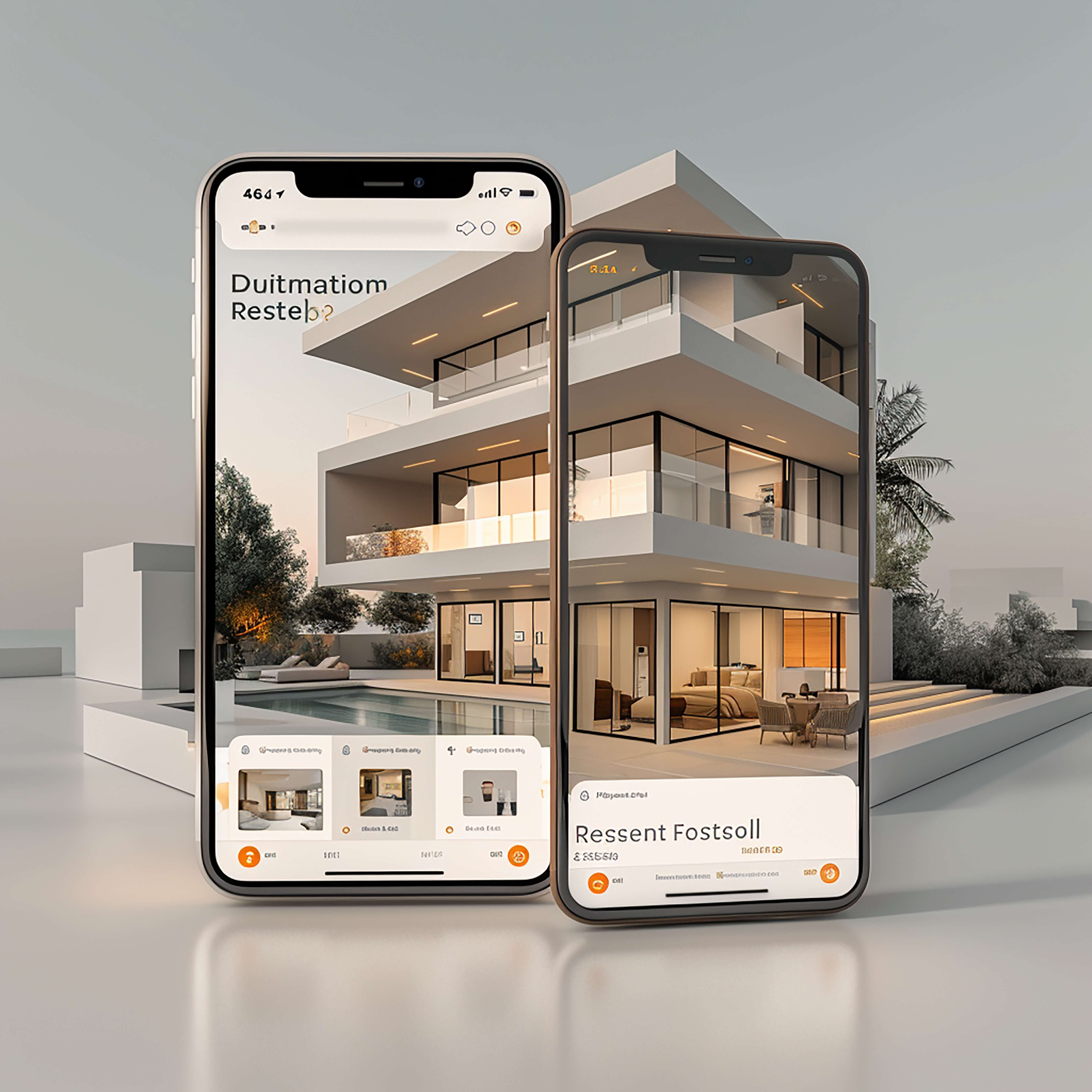
In a time where real estate decisions move faster than a single market tour, the search for a home in Riyadh no longer means visiting dozens of offices or wasting days sifting through ads. Today, it all starts from a small screen in your hand… from a real estate app.
But with dozens of options available, the question remains: what is the best real estate app in Saudi Arabia? Which one delivers a genuine experience that simplifies your search and brings you closer to your next home or investment?
This is where Mada Properties shines. It’s not just a digital tool, but a partner that puts what you need at your fingertips: from smart property filtering and detailed listings to direct support. Whether you're looking for a home in the heart of the capital or a secure investment in an up-and-coming project, choosing the best property app for Riyadh is your first step toward a sound decision.
Imagine searching for an apartment in Riyadh a decade ago: long hours between offices, printed ads on walls, and promises that rarely materialized. Today, everything has changed. With a single tap on your phone, you can see dozens of properties, compare prices, and understand if a neighborhood suits your lifestyle or investment goals.
However, the key reason for using property apps in Saudi Arabia isn't just speed—it's clarity. A good app doesn't just show you a property; it provides a snapshot of your future life: What does the area look like? What are the average prices? What are the growth opportunities there?
In a dynamic city like Riyadh, where projects proliferate and districts expand rapidly, having the best real estate app for Riyadh is the difference between buying impulsively and buying with awareness.
Type "real estate" into your app store, and you'll be flooded with names. Some apps overwhelm you with thousands of ads at once, making you feel lost in a maze. Others waste your time with beautiful pictures of properties that don't exist in reality.
But some apps are truly different. They make you feel like you're holding a detailed map that helps you shortcut the journey. They show you neighborhoods as they are, present prices in context, and allow you to save your choices for later.
This naturally leads to the question: What is the best real estate app in Saudi Arabia? The answer isn't in the number of listings, but in the quality of the experience: Does the app lead you to a clear decision? Does it respect your time? Does it give you the confidence that you're seeing a true picture, not a embellished advertisement?
You might find dozens of apps listing properties in Riyadh, but few provide a sense of trust and clarity. This is where the Mada properties app stands out.
What distinguishes it isn't just the volume of listings, but its presentation that gives you the complete picture: high-quality photos, precise details, and information about the neighborhood and project, not just the unit itself. You can easily search, compare, and save your favorites, then seamlessly transition to communicating with a consultant who understands your needs.
This is why many see Mada not just as a digital platform, but as the best real estate app in Riyadh for those who want a home that reflects them or an investment that holds its value. The experience isn't just about browsing ads… it's about the feeling that someone is guiding you to your decision with confidence.
Imagine walking through Al Sahafa Street, in a district glittering with new projects... This is the place that could redefine your living or investment strategy. Mada showcases premier projects that are invitations to a new life:
You’ve probably experienced it: you open an app, see hundreds of ads, and realize half are duplicates and the other half are outdated. You feel you've wasted more time than you've gained.
This highlights the difference between apps. The best real estate app in Saudi Arabia isn't the one that fills your screen with pictures, but the one that shows you only what you need: genuine properties, updated prices, and options that match your criteria.
This is exactly what we deliver at Mada Properties, the best real estate app in Riyadh and Saudi Arabia.
You can download Mada Properties for Android or download Mada Properties for iOS and enjoy the most reliable way to search, buy, and sell properties with ease.
Download Mada Properties today and find your dream home or your next real estate investment in minutes!
Many people download an app and think the job is done... but the secret isn't in having it on your phone, it's in how you use it.
In every real estate transaction, there are numbers and contracts… but what you remember is who was by your side at the moment of decision.
Mada Properties doesn't see itself as just an app or a brokerage. We believe searching for a home or investment isn't a journey through ads, but a story that starts with a simple question: "Where is the place that feels like me?"
On the Mada app, you won't just find long lists of properties. You'll find smart filtering that brings you closer to your choice, honest photos that reflect reality, and a team that answers your questions as if you were a friend, not just a client.
The best app provides accurate data and a smooth experience, which is where the Mada Properties app excels for many users.
Yes, leading apps like Madaa Real Estate are available on both the App Store (iOS) and Google Play (Android), ensuring a wide reach.
Absolutely. Comprehensive platforms like Mada cater to all segments, including rentals, making them a great house rent app in Saudi Arabia.
Yes, from central districts to new projects in the north.
Both. You can search for apartments for sale in Riyadh to live in or for investment properties that will hold their value.
August 19, 2025
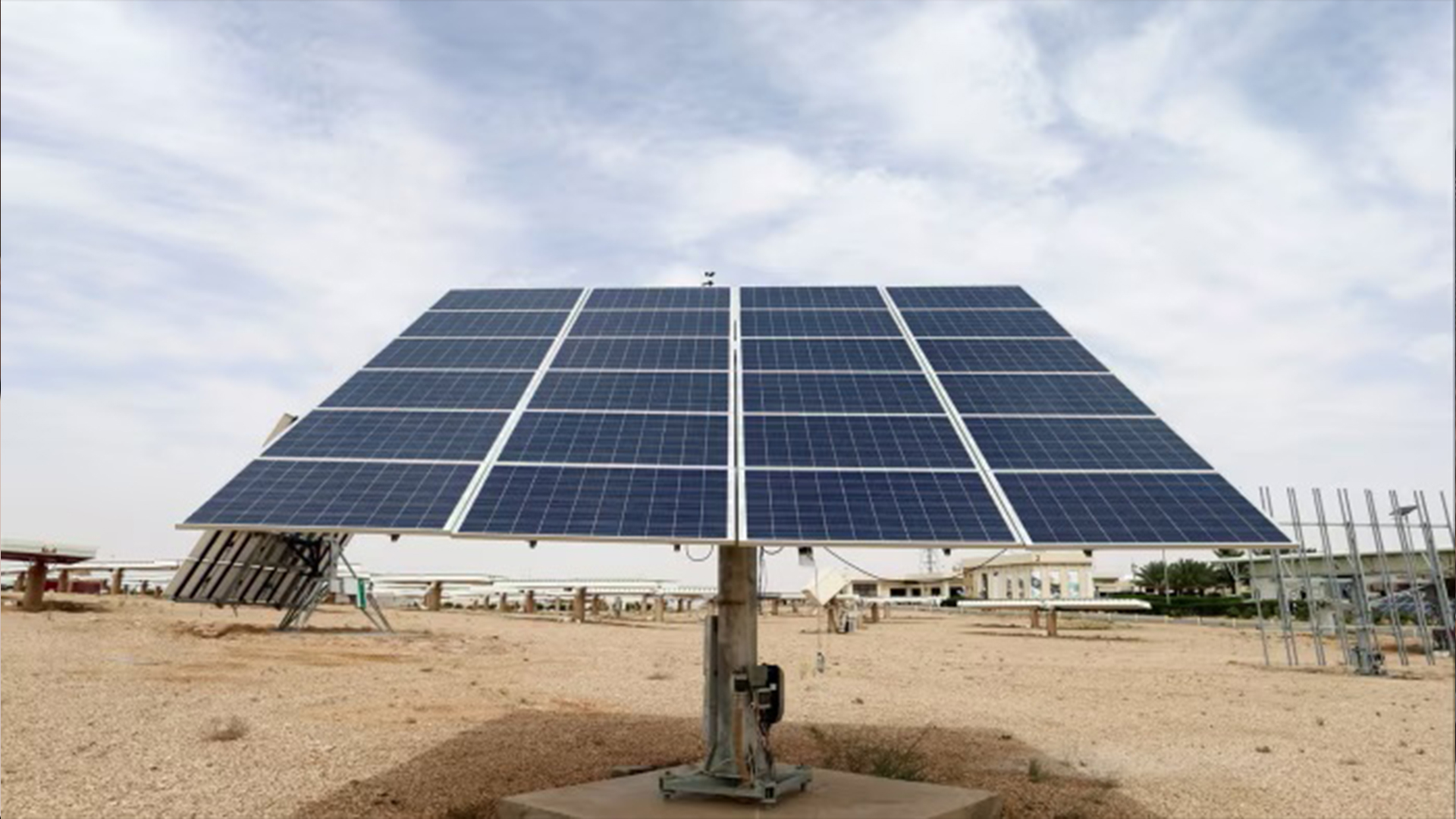
In a monumental step that solidifies its global leadership in the energy transition, ACWA Power, in a strategic partnership with Aramco Power, has announced the signing of landmark agreements worth $8.3 billion. This colossal investment is set to deploy ambitious renewable energy projects with a total combined capacity of 15 gigawatts (GW).
Widely considered one of the largest deals of its kind globally, this move signals a rapid acceleration of Saudi Arabia's shift towards clean energy and underscores strong investor confidence in the Kingdom's economic vision and its sustainable future.
The massive initiative is designed to power key regions across the Kingdom and includes a diverse mix of renewable technologies:
This initiative is not an isolated event but a direct implementation of the goals outlined in Saudi Vision 2030, which aims to diversify the economy and reduce reliance on hydrocarbons. These projects are perfectly aligned with the Kingdom's key energy targets:
The sheer scale of investment and the involvement of major players like ACWA Power (a global leader in renewables and desalinated water) and Aramco Power (the investment arm of the oil giant Aramco) reflect profound confidence in Saudi Arabia's investment landscape and its energy transition strategy.
Furthermore, this agreement extends beyond meeting domestic demand. It is designed to reinforce the Kingdom's pioneering role in the renewable energy sector across the region and the world, positioning it as an exporter not just of oil, but of clean energy and advanced green technology.
The ACWA Power and Aramco Power announcement is more than just an investment deal; it is a declaration of a new chapter in Saudi Arabia's energy future. With its 15 GW of new projects, the Kingdom is laying the foundation for a sustainable energy system that will fuel economic growth, protect the environment, fulfill the promises of Vision 2030, and establish Saudi Arabia as a key player in the new global energy economy.
August 19, 2025
In a landmark investment move this year, Saudi Aramco has forged a strategic alliance that solidifies its position on the global energy map through the gateway of gas. This isn't just an $11 billion financing deal; it's a clear declaration of a new strategic direction and a masterclass in smart capital management and partnerships. So, what's the story behind this deal? And why is the Jafurah field so critically important?
Contrary to popular belief, Aramco did not sell these assets. Instead, it leveraged an innovative financial model known as "Lease-and-Leaseback." Here’s how it works:
The result? Aramco receives $11 billion in cash that it can reinvest in other core areas, all while retaining complete control over operations and production. It's the ultimate "win-win" model.
The answer lies in the field's staggering numbers and strategic value:
Explore More: Saudi Arabia Commits $8 Billion to Renewable Energy
The decision by a GIP-led consortium, a global giant in infrastructure management, to inject this enormous sum is, in itself, a powerful vote of confidence in the Saudi economy and its stability. Global investors are seeking:
The Jafurah deal is not fleeting news. It is a blueprint for the new economy the Kingdom is building:
This deal proves that investing in the future of energy is no longer just an option; it is a necessary strategy for growth, and Saudi Arabia is leading this journey with confidence.

August 19, 2025
The Middle East and North Africa (MENA) region has emerged as a global hotspot for mergers and acquisitions, recording its strongest half-year performance since 2020. According to the latest EY MENA M&A Insights report, the region witnessed 425 M&A deals in the first half of 2025, with a total disclosed value of $58.7 billion. This represents a massive 31% increase in deal volume and a 19% rise in value compared to the same period last year, signaling robust investor confidence and a dynamic economic landscape.
A defining feature of the H1 2025 activity was the dominance of cross-border M&A deals. These international transactions accounted for a striking 55% of total deal volume and an overwhelming 78% of total deal value. This trend underscores the MENA region's increasing attractiveness to foreign investors and its strategic integration into the global economy.
The market was primarily driven by mega-deals in the chemicals sector and sustained innovation in the technology sector. The most notable transaction was the landmark $16.5 billion acquisition of a significant stake in Borouge plc by European giants Borealis AG and OMV AG. This deal alone highlights the immense value and global interest in the region's industrial and energy assets.
Beyond chemicals, sectors like data infrastructure, fintech, and digital transformation initiatives attracted significant investment, reflecting a strategic pivot towards a knowledge-based economy.
The United Arab Emirates (UAE) solidified its position as the region's premier M&A hub, attracting a colossal $25.4 billion in deal value. Its strategic location, business-friendly regulations, and vision for economic diversification continue to make it a magnet for international capital.
Saudi Arabia, while seeing a lower disclosed value of $2.5 billion, remained a critical player. The Kingdom's activity is heavily fueled by its ambitious Vision 2030 program, driving both domestic consolidation and inbound investment across various sectors.
Alongside cross-border fervor, domestic M&A activity also showed strong growth. Local companies are consolidating to gain market share, achieve economies of scale, and build national champions, particularly in technology and infrastructure.
Despite ongoing global trade and geopolitical challenges, investor sentiment in the MENA region remains decidedly optimistic. The fundamental drivers—economic diversification, large-scale giga-projects, and government reforms—are expected to sustain this strong M&A activity well into the second half of 2025 and beyond.
Explore More: GCC Real Estate Market Booms in H1 2025
The record-breaking figures for H1 2025 are not an anomaly but a testament to the MENA region's enduring appeal and transformative growth. With strong fundamentals in place and key economies like the UAE and Saudi Arabia leading the way, the MENA M&A market is poised for a continued period of strength and innovation.
August 19, 2025
RIYADH – In a powerful testament to the strength of the Saudi economy, the Kingdom’s banking sector reported record growth in June 2025. Total bank loans surged to $850 billion (SAR 3.2 trillion), marking a substantial 15.8% increase year-over-year (YoY). This historic expansion underscores the robust business activity driven by the nation's transformative Vision 2030 agenda.
The driving force behind this unprecedented growth was corporate lending. Accounting for nearly 75% of all loans, financing for businesses significantly outpaced other segments. This surge is directly linked to the massive funding requirements for giga-projects and nationwide development initiatives.
A standout performer within the corporate portfolio was the real estate sector. Real estate loans alone reached SAR 384 billion, representing a significant portion of corporate financing and highlighting the Kingdom's booming property market. This reflects continued strong demand for both commercial and residential mortgage loans, fueled by a growing population and ambitious housing goals.
Complementing the traditional banking boom is the rapid rise of the fintech sector. The Kingdom now boasts over 300 active fintech companies, many of which are venture capital-backed. This ecosystem is enhancing financial inclusion, streamlining digital payments, and providing innovative solutions that support the broader economic transformation.
This robust lending environment has directly translated into exceptional profitability for financial institutions. The second quarter of 2025 saw record-breaking bank profits, making it the most profitable quarter in Saudi banking history. Strong net interest income from the growing loan book and a healthy economic environment are cited as key contributors.
Analysts unanimously point to Saudi Vision 2030 as the foundational element behind this growth. The strategic blueprint has:
The record figures from the Saudi banking sector are not an anomaly but a indicator of a sustained, long-term growth trajectory. With hundreds of billions of dollars worth of projects still in the pipeline under Vision 2030, the demand for corporate financing, real estate loans, and innovative fintech solutions is expected to remain strong, solidifying the sector's role as a critical engine of the Kingdom's economic future.
August 19, 2025
Diriyah Company has made a landmark announcement that is set to transform the luxury real estate landscape in the Kingdom and the wider region: the launch of Aman Residences, Amansamar, in the prestigious Wadi Safar area. This pioneering project marks the debut of the globally revered Aman brand in Saudi Arabia, introducing an unparalleled standard of ultra-luxury villas and private estates.
Designed by the world-renowned architect Jean-Michel Gathy, the residences are a masterpiece of aesthetic harmony. Gathy’s vision masterfully blends his signature minimalist elegance with profound respect for Saudi cultural heritage and the breathtaking, rugged beauty of the desert landscape. This creates a living environment that is both globally sophisticated and authentically rooted in its location.
True to the Aman ethos of exclusivity and privacy, each villa is set on a vast plot of land, starting from 9,000 square meters. This ensures absolute seclusion and provides residents with the space to create their own personal sanctuary. The architectural design prioritizes serene, private courtyards and panoramic views of the surrounding Wadi Safar valley.
Residents of Aman Residences will enjoy privileged access to a curated collection of exceptional facilities, setting a new benchmark for a luxury lifestyle in Saudi Arabia. These include:
This holistic approach ensures that every aspect of leisure, wellness, and active living is catered to within the community.
The Aman Residences are a cornerstone of the comprehensive Wadi Safar master plan. Its prime location near Diriyah, a UNESCO World Heritage Site and the birthplace of the Kingdom, adds immense cultural and historical value. Diriyah is rapidly evolving into one of Saudi Arabia's premier lifestyle and cultural destinations, driven by the ambitious vision of Saudi Vision 2030.
With demand for luxury housing in Riyadh and its surrounds experiencing a significant surge, this project is perfectly positioned to attract global investors and high-net-worth individuals seeking a unique and valuable asset. Investing in an Aman Residence is not just acquiring a property; it is securing a stake in the future of ultra-luxury living in the heart of the GCC.
The introduction of Aman Residences by Diriyah Company is more than a real estate launch; it is a seminal moment for the luxury market in Saudi Arabia. It signifies the Kingdom’s ascending position on the global stage as a hub for unparalleled investment, culture, and refined living. For those seeking the ultimate address that offers privacy, world-class design, and unmatched amenities, Aman Residences in Wadi Safar represents the pinnacle of achievement.
August 19, 2025
The Gulf Cooperation Council (GCC) real estate sector has demonstrated exceptional strength and resilience in the first half of 2025, recording robust growth fueled by vigorous sales activity, appreciating property values, and soaring investor demand. A recent market outlook by Kuwait Financial Centre “Markaz” forecasts that this positive momentum will continue throughout the second half of the year, with Kuwait, Saudi Arabia, and the UAE leading the regional charge.
Several powerful factors are converging to create a perfect storm of growth in the property market:
Dubai solidified its position as a global real estate hub, shattering transaction records. The market saw unprecedented activity in ultra-luxury properties and a thriving market for off-plan properties and ready-to-move-in villas, attracting a diverse international investor base.
Saudi Arabia's property market continues its upward trajectory, with its official property price index rising by 4.3%. This growth is largely attributed to strong demand from a growing population and ongoing development linked to giga-projects like NEOM, Red Sea Global, and ROSHN.
Kuwait’s real estate market posted significant gains, particularly in high-value land transactions and commercial properties. This performance highlights strong domestic investor confidence and a stable economic outlook.
Despite global economic uncertainties, the GCC real estate market is poised to remain one of the region's most resilient and attractive sectors for investment. The outlook for the second half of 2025 remains bullish, supported by:
The GCC real estate sector offers compelling opportunities for investors, developers, and end-users alike. With solid fundamentals, strong government backing, and a pipeline of world-class projects, the market is well-positioned for sustained growth and stability in the foreseeable future.
Source: Economy Middle East - GCC Real Estate Market Maintains Upward Momentum
August 17, 2025
The Saudi real estate market is no longer just an investment idea for foreigners—it’s now a gateway to a new life. Some see it as a chance to enter a steadily rising market, while others view it as the start of a family story in a home that reflects their dreams.
But between vision and reality lies a path that requires insight: understanding the benefits of buying property in Saudi Arabia as a foreigner, the legal conditions for foreign ownership, and all associated property sale fees for non-Saudis.
This isn’t just about owning walls and a roof—it’s about securing peace of mind with a decision that remains sound for years to come.
Until recently, the answer to "Can foreigners buy property in Saudi Arabia?" was uncertain. But in mid-2025, Saudi Arabia announced a new property ownership system for foreigners, set to take effect in early 2026, with broader permissions and clearer regulations.
This change reflects the market’s growing confidence and its push to attract global investors. While final details—such as approved locations and approval processes—are still pending, the direction is clear: foreign ownership is becoming easier and more accessible.
If you’re considering buying now, you have two options:
For non-residents, purchasing today is more complex—often requiring partnerships or corporate investments.
Choose from the best properties for sale in Riyadh and enjoy premium real estate investment opportunities with high returns and a secure future.
Explore the best locations for real estate investment and discover opportunities that guarantee high returns and long-term growth
Yes, but residency status affects the process (easier for expats).
No, ownership and residency are separate.
Limited—often requires indirect ownership methods.
Currently one residential unit for expats (may change in 2026).
Buying property in Saudi Arabia as a foreigner is now a tangible opportunity—whether you act now under current rules or wait for the 2026 reforms. The key is research, legal clarity, and strategic location choice.
At Mada Properties, we don’t just facilitate transactions; we guide you to make decisions that stand the test of time. Ready to explore Saudi Arabia’s real estate market? Let’s find the right property for your future.
August 16, 2025
Before falling in love with a beachfront apartment or a quiet suburban villa, remember—the listed price isn’t the only cost you’ll pay. There’s always another expense hidden in the fine print… waiting for you at signing.
The question every foreign investor asks: What is the property tax for foreigners in Saudi Arabia?
The answer isn’t complicated, but it needs to be clear—because this tax, whether you're buying or selling, can completely reshape your financial calculations.
Whether you're researching buying property tax in Saudi Arabia for expats before making a purchase or want to know the real estate tax for non-Saudis when selling, you need the numbers upfront… so your dream investment doesn’t turn into an unexpected financial burden.
The real estate tax for non-Saudis—officially called the Real Estate Transaction Tax (RETT)—is a flat 5% levied on the value of any property ownership transfer: sale, compensated gift, or exchange. It’s not an annual tax but a one-time payment due at the transaction’s completion.
This tax doesn’t apply only to Saudis—it covers everyone, including foreigners, at the same rate and under the same rules. Whether you’re paying buying property tax in Saudi Arabia for expats when purchasing a home or covering the property selling tax when exiting an investment, the rule is the same: 5% of the transaction value.
The biggest change came in recent years when most residential property sales were excluded from VAT (15%), replaced by the simpler RETT (5%). Now, instead of an unexpected 15% VAT charge, you know upfront that only 5% applies upon ownership transfer.
Many buyers assume they must always pay the real estate tax for non-Saudis—but legally, the seller is the primary taxpayer, unless the contract states otherwise. This means if you're buying, the seller might cover the property selling tax, or you might bear it if agreed in writing.
As for timing? It’s straightforward. The buying property tax in Saudi Arabia for expats (or selling tax) is paid upon ownership transfer, whether processed digitally via the Ministry of Justice or through a notary office. The transaction cannot be finalized until the tax is paid in full.
That’s why it’s crucial to clarify who pays the tax and document it in the contract—so a last-minute surprise doesn’t derail your budget.
Calculating the real estate tax for non-Saudis isn’t complex—but you must know the formula:
Flat rate: 5% of the total transaction value (whether buying or selling).
Example: A villa priced at 2,000,000 SAR → Tax = 100,000 SAR.
Note: In some cases, the valuation may include extras (like parking spots or furnishings if listed in the contract). Always review details before signing to avoid unexpected tax additions.
Years ago, foreign buyers were shocked to find a 15% VAT applied to ready residential properties. But the rules have changed.
Today, most residential property sales are exempt from VAT, replaced by the 5% RETT (the standard property tax for foreigners). Whether paying buying property tax in Saudi Arabia for expats or property selling tax, the rate remains 5%.
However, VAT still applies to related services (construction, commercial property management, leases) but not to ready residential sales.
For non-Saudis, there’s no special higher tax—the real estate tax for non-Saudis is the same 5% applied to all.
Sometimes, theory isn’t enough—let’s see real examples:
Invest Now : Off plan properties for sale in Saudi Arabia
If you’re selling, the rules mirror buying:
Even if selling inherited property or transferring ownership, the 5% tax applies unless exempt under special regulations.
Some areas, like Makkah and Madinah, have stricter ownership rules for foreigners. Direct ownership is limited, but indirect investment (e.g., buying shares in a property-holding company) is possible.
In such cases:
Explore More: Best Location for Real Estate Investment
No, 5% RETT applies to all.
At ownership transfer (during final signing).
Typically the seller, unless the buyer agrees otherwise.
Only if specified in the contract.
Whether buying your dream home or selling an investment, the property tax for foreigners isn’t a minor detail—it’s a key cost factor. The rate is fixed (5%), but its impact depends on your contract terms.
Successful real estate decisions start with knowing the numbers before dreaming of locations or designs. If you want to move forward confidently, factor in the tax early—so it doesn’t surprise you later.
August 14, 2025
The idea of real estate investment in Saudi Arabia for expats is no longer a distant dream or a risky venture. Today, it’s a tangible opportunity, visible in the rapidly transforming skylines of cities like Riyadh, Jeddah, and emerging tourist destinations. Whether you're considering buying property for the first time or expanding your investment portfolio, the Saudi Arabia real estate market offers diverse opportunities—residential ownership, rental income, or early entry into future mega-projects. But before diving in, understanding the laws, fees, and potential returns is crucial to turning your vision into a successful investment.
Previously, foreign investment in Saudi property came with restrictions—limited zones and complex procedures. However, by mid-2025, Saudi Arabia announced a new law expanding foreign ownership of real estate, set to take full effect in 2026. This change allows individual and corporate investors greater access to residential and commercial properties within designated zones.
While not all areas will be open, this shift signals a more transparent and flexible market. For those eyeing investment opportunities in Saudi Arabia for expats, now is the perfect time to explore options—early movers will secure the best locations.
Imagine walking through Riyadh’s new neighborhoods or Jeddah’s revitalized corniche—what was empty land five years ago is now thriving with towers, cafes, and business hubs. The Saudi Arabia real estate market is evolving at an unprecedented pace, driven by Vision 2030’s urban and economic reforms.
Investing today isn’t just about buying property—it’s about entering a market where cities are being redesigned, and early investors stand to gain the most.
Currently, expat residents can buy property with a valid iqama (residency permit) via the Absher platform, subject to location and usage restrictions. Starting in 2026, the new law will allow non-residents to own property for housing or investment purposes within specified zones.
Key points:
When buying property, the listed price isn’t the full story. Key costs include:
Always factor these into your budget before committing.
Buying off-plan properties can offer lower prices and customization, but expats face financing hurdles:
Verify project licenses and developer credibility before investing.
Location is everything Top areas to invest in Saudi Arabia include:
Profit isn’t just from resale—rental income matters. Major cities offer strong demand, while tourist areas yield seasonal returns. Plan your exit:
Not automatically. However, Saudi Arabia’s Premium Residency – Real Estate Owner category allows eligibility if:
The Saudi Arabia real estate market is one of the region’s most dynamic, fueled by economic diversification and urbanization. For expats, the key to success lies in:
With Vision 2030 reshaping the Kingdom, real estate investment in Saudi Arabia for expats isn’t just profitable—it’s a gateway to long-term wealth.
Yes, with residency (iqama) or under new 2026 rules for non-residents.
5% Real Estate Transaction Tax (typically paid by the seller).
Riyadh (residential demand), Jeddah (coastal/tourism), and NEOM/Red Sea (future growth).
Only via the Premium Residency scheme (4M SAR minimum investment).
Yes, if the developer is licensed and the project is government-backed.
August 13, 2025
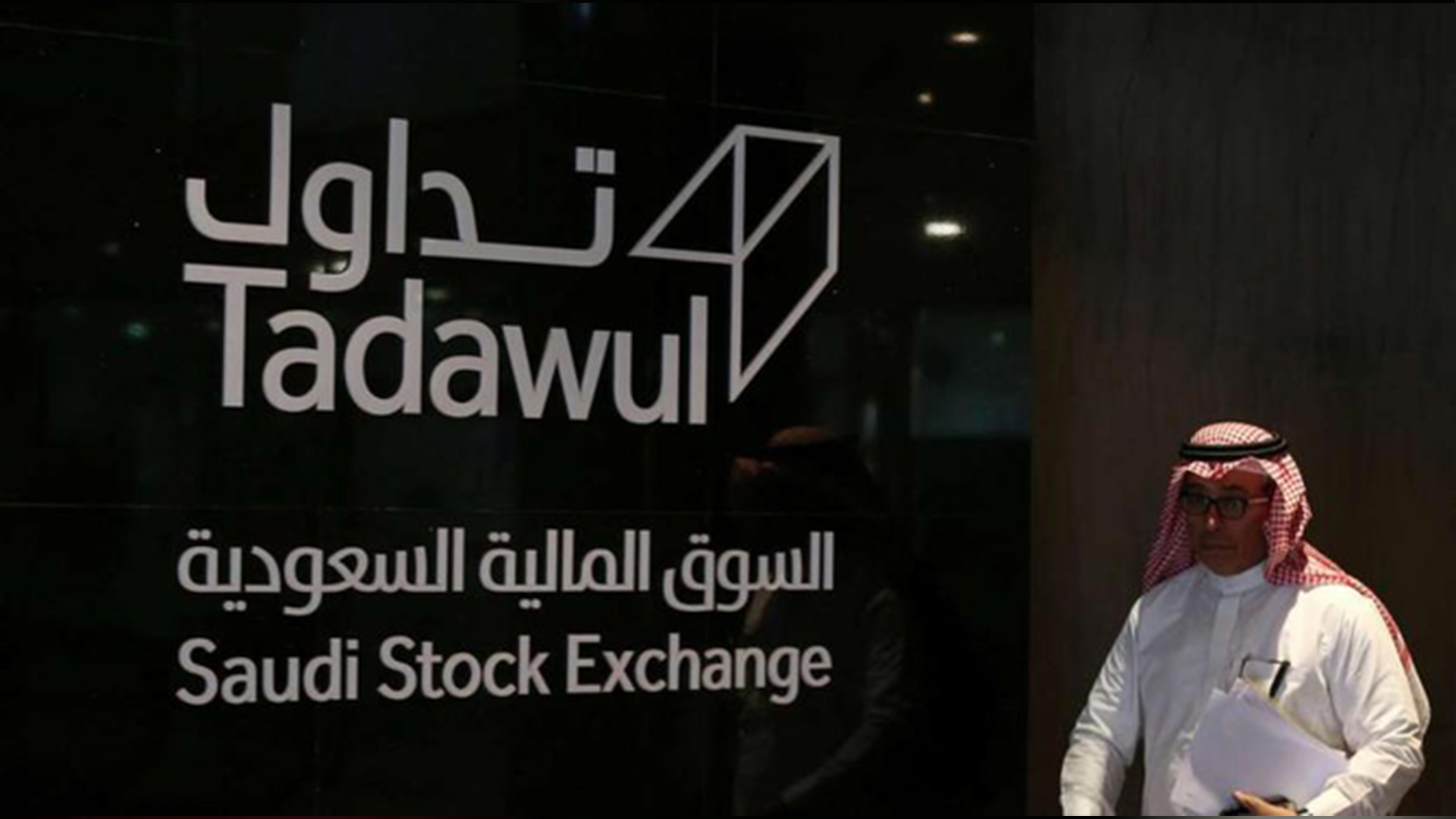
Saudi Arabia has taken a historic step in financial market liberalization. The Capital Market Authority (CMA) now permits all GCC residents - including expatriates - to invest directly in Tadawul, the kingdom's main stock exchange. This groundbreaking reform eliminates previous requirements for swap agreements or licensed intermediaries, marking a significant milestone in regional economic integration.
The new rules deliver three major benefits:
By removing swap agreement requirements, investors save approximately 1-3% in annual fees while gaining direct ownership of securities.
GCC residents can now open investment accounts as easily as Saudi citizens, with many brokers offering bilingual Arabic/English platforms specifically designed for regional investors.
Investors gain exposure to a $2.5 trillion market featuring global giants like Aramco and innovative Vision 2030 projects through stocks and REITs.
The process is straightforward:
This reform directly supports Saudi Arabia's economic transformation goals by:
Industry analysts anticipate these changes will:
The CMA's decision represents a watershed moment for GCC investors. By removing barriers to Saudi market access, it creates unprecedented opportunities for wealth creation while advancing regional financial integration under Vision 2030.