20 أكتوبر 2025
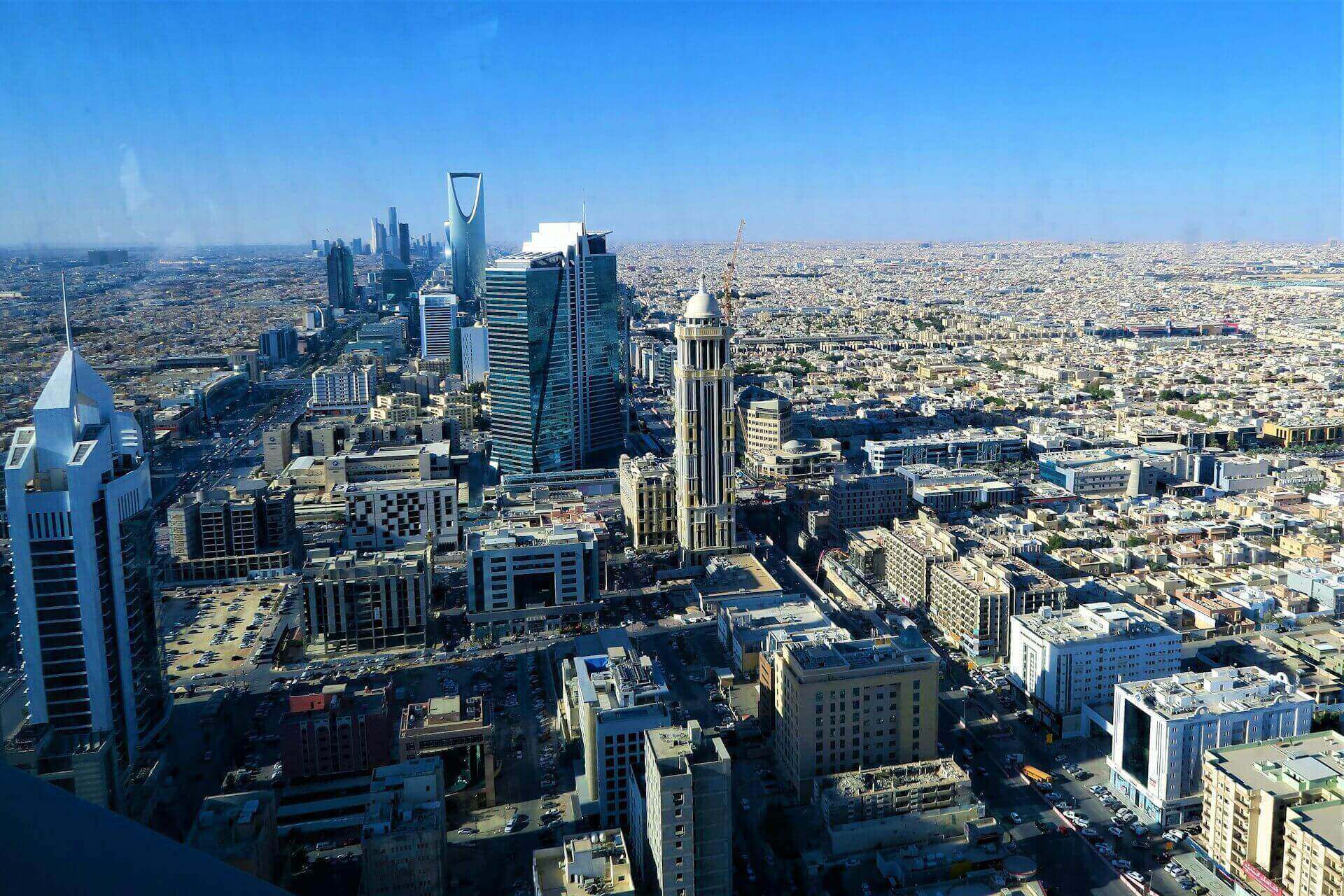
الرياض ليست مجرد عاصمة إدارية للمملكة، بل مدينة تنبض بالحياة، حيث يلتقي فيها الماضي العريق مع الحاضر المتسارع، من يزورها يشعر بالحيوية، ومن يعيش فيها يعرف أنها أكثر من مجرد شوارع وأبراج شاهقة… إنها تجربة يومية تمزج بين الفرص والتحديات.
لكن وراء كل هذه الحركة، يظل سؤال واحد يتردّد في أذهان الكثيرين: ما هي تكاليف المعيشة في الرياض؟
هذا السؤال لا يطرحه الوافد الجديد فقط، بل حتى الأسر التي استقرت منذ سنوات، والشباب المقبلون على بداية حياتهم، والمهنيون الباحثون عن مستقبل أفضل.
تكاليف المعيشة في الرياض ليست رقمًا ثابتًا، بل لوحة متغيّرة تتأثر بالمكان الذي تختاره للسكن، وبأسلوب حياتك، وبالخيارات التي تصنعها يوميًا؛ من السكن إلى الطعام، ومن المواصلات إلى التعليم والترفيه، وبين هذه التفاصيل، تُرسم ملامح تجربة إنسانية قد تكون مريحة ومستقرة، أو ضاغطة ومرهقة إذا لم تُدار بحكمة.
في هذا المقال، سنحاول أن نقترب أكثر من المشهد، لنرسم لك صورة واقعية عن متوسط المعيشة في الرياض، وما بين إيجابياتها وسلبياتها، ونمنحك مفاتيح تساعدك على اتخاذ قرار واعٍ يناسبك ويناسب أسرتك.
عندما تسمع عبارة تكاليف المعيشة في الرياض، قد يخطر في بالك مباشرة موضوع السكن، لكنه في الحقيقة مجرد جزء من الصورة، فالمعيشة هنا تشبه ميزانًا دقيقًا، كل كفة فيه تتأثر بعاداتك اليومية، خياراتك، وحتى موقعك داخل المدينة.
فالسكن مثلًا قد يشكّل الجزء الأكبر من ميزانية الأسرة، خاصة إذا اخترت الأحياء الراقية شمال الرياض مثل الملقا أو الياسمين، حيث الأسعار أعلى مقابل الخدمات المميزة، بينما الأحياء الأبعد أو الشعبية مثل طويق والعزيزية تمنحك بدائل أقل تكلفة، مما يغيّر بشكل ملحوظ متوسط المعيشة في الرياض.
وبجانب السكن، هناك تكاليف الغذاء التي تتفاوت بين شراء حاجياتك من أسواق كبرى مثل "الدانوب" و"كارفور"، أو الاعتماد على البقالات الصغيرة والأحياء الشعبية، الأمر ذاته ينطبق على المواصلات، حيث يمكنك أن تعيش بتكلفة أقل إذا اكتفيت بالنقل العام أو مشاركة السيارة، مقارنة بامتلاك سيارة خاصة وما يصاحبها من مصاريف الوقود والصيانة.
أما التعليم والرعاية الصحية، فهما يختلفان تمامًا حسب خياراتك: مدارس دولية برسوم مرتفعة مقابل مدارس حكومية أو أهلية بأسعار أقل، ومستشفيات خاصة فاخرة في مقابل خدمات صحية عامة أو تأمين يغطي أغلب المصاريف.
بمعنى آخر، تكاليف المعيشة في الرياض ليست قالبًا واحدًا يناسب الجميع؛ هي مرآة لأسلوب حياتك، وكيف تختار أن توازن بين الضروريات والكماليات.
يظل السكن هو العامل الأكثر تأثيرًا على تكاليف المعيشة في الرياض، فالمدينة، بحجمها واتساعها، تقدم خيارات لا تنتهي تناسب مختلف الطبقات والاحتياجات.
في أحياء شمال الرياض مثل حي الملقا والياسمين، تجد الفلل الفاخرة والشقق العصرية بأسعار مرتفعة، حيث قد يتجاوز إيجار شقة متوسطة الحجم 4000 ريال شهريًا، وهذه المناطق تمنحك بيئة راقية، مدارس عالمية قريبة، وخدمات متكاملة، لكنها بالطبع تزيد من عبء النفقات الشهرية.
على الجانب الآخر، توفر أحياء مثل حي العزيزية أو طويق في الجنوب والغرب بدائل أكثر اقتصادية، حيث تبدأ الإيجارات من 1500 ريال تقريبًا، صحيح أن الخدمات قد تكون أبسط والبنية التحتية أقل تطورًا، لكن هذه الخيارات تساعد الكثير من الأسر والوافدين على التحكم في ميزانيتهم وتقليل تكلفة المعيشة في الرياض بشكل ملحوظ.
ولا يقتصر الأمر على الإيجارات فقط؛ حتى عند التفكير في شراء عقار، ستجد تفاوتًا هائلًا بين شمال الرياض المزدهر وغربها الأكثر هدوءًا وأقل تكلفة، فالفلل في الشمال قد تصل أسعارها إلى ملايين الريالات، بينما في الأحياء الأبعد يمكنك أن تجد أسعارًا في حدود 1 – 1.5 مليون ريال، وهو فارق كبير يغير حسابات أي عائلة.
الحقيقة أن السكن في الرياض ليس مجرد مكان للعيش، بل هو قرار يحدد شكل حياتك اليومية ومستوى الراحة الذي ستعيشه، وبالتالي يحدد بشكل مباشر حجم نفقاتك الشهرية.
الغذاء جزء أساسي من أي حياة يومية، وهو عنصر مهم عند حساب تكاليف المعيشة في الرياض، والجميل في الرياض أنها مدينة تمنحك تنوعًا واسعًا في الخيارات، من الأسواق الشعبية البسيطة وحتى المولات الراقية مثل الدانوب ولولو ماركت.
على سبيل المثال، إذا اعتمدت على التسوق الشهري للعائلة من أسواق متوسطة، ستجد أن أسعار الأساسيات مثل الأرز (10 كجم) تتراوح بين 75 و95 ريال، وكيلو اللحم الطازج يتراوح بين 45 و55 ريال، أما الخضروات والفواكه، فتختلف أسعارها حسب الموسم، لكنها غالبًا في متناول اليد، حيث يمكنك شراء كيلو الطماطم بـ 3 – 6 ريالات، والموز بـ 5 – 8 ريالات.
في المقابل، الاعتماد على الوجبات الجاهزة والمطاعم يزيد من تكلفة المعيشة في الرياض بشكل ملحوظ، فالغداء في مطعم شعبي قد يكلفك 20 – 30 ريالًا فقط، بينما تناول وجبة في مطعم راقٍ قد يصل إلى 150 – 200 ريال للشخص الواحد.
الأسر عادة ما تختار مزيجًا بين الاثنين: التسوق المنزلي مع بعض الوجبات في الخارج، أما الأفراد والعزاب، فكثيرًا ما يعتمدون على المطاعم أو تطبيقات التوصيل مثل جاهز وهنقرستيشن، ما يجعل بند الطعام أحد أكثر البنود تقلبًا في المصاريف الشهرية.
يجب مراعاة أن الغذاء إذن ليس مجرد مصروف ثابت، بل خيار يعكس نمط حياتك ورفاهيتك، وهو ما يجعل كل شخص يعيش تجربته الخاصة مع المعيشة في الرياض.
من أهم العوامل التي تحدد تكاليف المعيشة في الرياض التعليم والرعاية الصحية، لأنهما لا يمثلان فقط مصروفات شهرية بل استثمار طويل الأمد في العائلة.
التعليم فيما يخص التعليم، تتنوع الخيارات بين المدارس الحكومية المجانية، والمدارس الأهلية، وصولًا إلى المدارس الدولية التي تتبنى مناهج أمريكية أو بريطانية، الرسوم في المدارس الأهلية قد تبدأ من 15 ألف ريال سنويًا، بينما تصل المدارس الدولية إلى ما بين 40 و90 ألف ريال سنويًا حسب المرحلة الدراسية، وهذه الفروقات تجعل تكلفة المعيشة في الرياض مختلفة من أسرة إلى أخرى، وتعكس كذلك نمط الحياة الذي يختاره كل فرد.
الرعاية الصحية: أما من الناحية الصحية، فالرياض تضم مستشفيات حكومية متقدمة تقدم خدمات مجانية للمواطنين، إلى جانب مستشفيات ومراكز خاصة بمستويات راقية، كما أن التأمين الصحي للمقيمين إلزامي، وتتراوح تكلفته بين 2,000 و6,000 ريال سنويًا للشخص حسب الفئة، وهذه التكاليف قد تبدو مرتفعة، لكنها تضيف أمانًا وراحة بال للعائلة.
عند جمع مصاريف التعليم والصحة مع السكن والغذاء، يظهر بوضوح أن متوسط المعيشة في الرياض يختلف جذريًا من شخص إلى آخر، وهنا يكمن التحدي والجمال في الوقت نفسه: أن كل أسرة تعيش الرياض بطريقتها، بين رفاهية عالية أو نمط حياة اقتصادي.
حين نفكر في تكاليف المعيشة في الرياض لا يمكن أن نتجاهل بند المواصلات، لأنه جزء يومي من حياة كل فرد وأسرة، فالرياض مدينة واسعة، والمسافات بين الأحياء قد تكون طويلة، ما يجعل اختيار وسيلة التنقل قرارًا مؤثرًا بشكل مباشر على تكلفة المعيشة في الرياض.
السيارات والوقود: الكثير من سكان العاصمة يعتمدون على السيارات الخاصة، نظرًا لسهولة التنقل ووفرة مواقف السيارات، وأسعار البنزين تُعتبر منخفضة نسبيًا مقارنة بدول أخرى، لكن امتلاك سيارة يعني أيضًا تحمل أقساط الشراء أو الإيجار، إضافة إلى التأمين والصيانة، وهذه المصاريف تجعل المعيشة في الرياض أكثر كلفة لمن يعتمد كليًا على السيارة.
النقل العام: في السنوات الأخيرة، بدأ مترو الرياض ومشاريع النقل العام الحديثة تفتح الباب أمام خيار جديد يقلل من الضغط على الأفراد، خاصة مع تزايد الازدحام المروري، فالاعتماد على النقل العام قد يخفف جزءًا من المصاريف الشهرية، ويساعد في موازنة متوسط المعيشة في الرياض.
الحياة اليومية: التنقل اليومي لا يقتصر على العمل فقط، بل يشمل التسوق، المدارس، والخروج للترفيه، وهنا يبرز الفرق بين من يسكن في قلب المدينة حيث كل شيء قريب، ومن يسكن في أطرافها ويحتاج إلى تنقلات أطول وأكثر كلفة، ففي النهاية، المواصلات ليست مجرد وسيلة، بل عامل أساسي في رسم ملامح المعيشة في الرياض.
الحياة في العاصمة السعودية تشبه لوحة واسعة الألوان، فيها ما يجذب ويبهج، وفيها أيضًا ما قد يرهق البعض، وحين نتحدث عن سلبيات وايجابيات العيش في الرياض، فإننا نتحدث عن توازن دقيق بين فرص كبيرة وتحديات ملموسة.
في النهاية، يمكن القول إن متوسط المعيشة في الرياض قد يكون مريحًا للبعض إذا وازن بين دخله وخياراته، بينما قد يرهق آخرين إذا لم يضعوا أولويات واضحة، وهذا ما يجعل تجربة العيش في الرياض شخصية للغاية؛ فهي ليست مجرد أرقام في ميزانية، بل أسلوب حياة كامل يتشكل من التفاصيل اليومية.
عندما يفكر شخص ما في الانتقال إلى العاصمة، يطرح على نفسه سؤالًا محوريًا: هل أستطيع التأقلم مع تكاليف المعيشة في الرياض؟
الحقيقة أن الإجابة ليست واحدة للجميع؛ فالأمر يعتمد على نمط الحياة، حجم الأسرة، وأولويات الفرد، فقد يجد البعض أن متوسط المعيشة في الرياض معقول، خصوصًا مع وجود خيارات اقتصادية في السكن والمواصلات والطعام، بينما قد يرى آخرون أن تكلفة المعيشة في الرياض مرتفعة إذا كان أسلوب حياتهم يميل إلى الترفيه أو السكن في أحياء راقية.
في النهاية، المعيشة في الرياض ليست عبئًا بقدر ما هي تجربة يمكن إدارتها بذكاء، فكل ما تحتاجه هو أن تحدد أولوياتك، وتتعامل مع الأرقام كأداة تمنحك حرية الاختيار، لا كقيود تحرمك من الاستمتاع بالحياة.
عند التفكير في الاستثمار العقاري بالرياض، كل شارع يحمل فرصه، وكل حي يخبئ إمكانيات جديدة للمستثمر الذكي، فيشتري البعض العقار ليكون مسكنًا لهم، بينما يراه آخرون وسيلة للنمو على المدى الطويل، استثمارًا يبني المستقبل.
لكن بين كل المشاريع المتاحة، هناك بعض الخيارات القليلة التي تترك أثرًا حقيقيًا، لأنها تمثل توازنًا بين التصميم العصري والقيمة العملية.
برج ماجيستيك عنوان للأناقة والفخامة في قلب حي الصحافة، ويتميز بمساحات واسعة للشقق وتصاميم عصرية تواكب أسلوب الحياة الحديث، مع خطط دفع مرنة تبدأ بنسبة 20% فقط، فمشروع ماجيستيك ليس مجرد مكان للسكن، بل تجربة حياة متكاملة وسط بيئة نابضة بالحيوية والنشاط.
وسط حركة المدينة المستمرة، يبرز مشروع يمامة سيتي سنتر كواحة هادئة للمستثمر والمقيم على حد سواء، فالموقع المثالي قرب المراكز التجارية والطرق الرئيسية، إلى جانب خطط الدفع الميسرة والأسعار المدروسة، يجعله خيارًا متوازنًا يجمع بين المنفعة والاستقرار.
يطل برج العوالي على المستقبل في قلب الملقا، بمكاتب تم تصميمها لتلبية احتياجات رجال الأعمال الطموحين، وهذا المشروع مثالي لمن يسعى لعائد مستمر ومساحة راقية تعكس احترافيته وتطلعاته، فهو أكثر من مجرد عقار؛ إنه حضورك الفعلي في المشهد التجاري الجديد بالرياض.
وسط الحديث عن تكاليف المعيشة في الرياض وتفاوت أسعار الأحياء بين الفاخرة والمتوسطة، تبرز شركات تطوير عقاري رائدة مثل مدى العقارية كحل عملي للأسر والأفراد الباحثين عن توازن بين الجودة والسعر.
مدى لا تكتفي بعرض وحدات سكنية، بل تقدّم مشاريع مدروسة في مواقع استراتيجية داخل الرياض، تجمع بين القرب من الخدمات ومرونة أنظمة الدفع والتقسيط، وهذا التنوع يمنح كل فرد فرصة لاختيار ما يناسب ميزانيته دون التضحية بجودة الحياة.
بفضل مشاريعها في شمال وشرق الرياض، ساهمت مدى في خلق مجتمعات متكاملة تتيح للساكنين الاستمتاع ببيئة مريحة وآمنة، مع الأخذ في الاعتبار أن متوسط المعيشة في الرياض يتأثر بشكل مباشر بخيارات السكن.
في النهاية، وجود مطور مثل مدى يجعل قرار السكن في العاصمة أكثر سهولة… لأنك تجد من يفكر في تفاصيل حياتك اليومية بقدر ما يفكر في جمال التصاميم.
عندما نفكّر في تكاليف المعيشة في الرياض، قد تبدو الأرقام أحيانًا كثيرة أو مربكة، لكن خلفها دائمًا قصة إنسانية: شاب يبحث عن بداية جديدة، أسرة تريد الاستقرار، أو مقيم يحلم ببيت يحمل اسمه.
الرياض ليست مجرد مدينة بأبراجها الحديثة وشوارعها المزدحمة، بل هي حياة كاملة تجمع بين الطموح والأمان، وبين التحديات والفرص.
نعم، هناك سلبيات وإيجابيات العيش في الرياض، من ازدحام المرور وحرارة الصيف، إلى تنوّع الخيارات وفرص العمل الواسعة، لكن في النهاية، التجربة تبقى بيدك أنت: كيف تختار حيّك؟ كيف تدير مصروفك؟ وكيف ترى الرياض كبيتك الذي يكبر معك؟
1. كم تبلغ تكاليف المعيشة في الرياض لعائلة صغيرة؟
متوسط المعيشة في الرياض لعائلة من 4 أشخاص يتراوح بين 8,000 و12,000 ريال شهريًا، حسب السكن والمدارس ونمط الحياة.
2. هل تعتبر المعيشة في الرياض مرتفعة مقارنة بدول الخليج الأخرى؟
تكاليف المعيشة في الرياض أقل من دبي والدوحة مثلًا، لكنها قد تكون أعلى من بعض مدن الخليج الأخرى، خاصة في السكن.
3. ما هي إيجابيات وسلبيات العيش في الرياض؟
الإيجابيات: فرص عمل، أمان، خدمات عالية الجودة.
السلبيات: ازدحام، حرارة الصيف، وارتفاع أسعار بعض الأحياء.
4. ما هو متوسط الإيجارات في الرياض عام 2025؟
الإيجارات تبدأ من 1,500 ريال شهريًا في الأحياء الاقتصادية جنوب الرياض، وتصل إلى 4,000 ريال وأكثر في الأحياء الشمالية الراقية.
5. هل يمكن للمقيمين شراء شقق تمليك بالتقسيط في الرياض؟
نعم، بعض البنوك والمطورين العقاريين مثل مدى العقارية يقدّمون أنظمة تقسيط مرنة للمقيمين وفق شروط محددة.
مقالات توضّح، تحذّر، تفسّر، وتقرأ سوق العقارات في السعودية بعين خبيرة.
27 أغسطس 2026
تحوّل التمويل العقاري في السعودية من خيار إلى قاعدة. فمعظم صفقات التملك في الرياض اليوم تمرّ عبر تمويل يمتد خمس عشرة سنة أو أكثر، ما يعني أن قرار الشراء لم يعد قرارًا عقاريًا وحده، بل قرارًا ماليًا يسبقه.
وشروط التمويل العقاري ليست متروكة لتقدير الجهة المموّلة وحدها؛ فهي محكومة بضوابط البنك المركزي السعودي إلى جانب سياسة كل جهة. وهذا يعني أن الجزء الأكبر منها معروف مسبقًا، ويمكن التحقق منه قبل التقدم بأي طلب.
التمويل العقاري هو مبلغ يقدّمه لك بنك أو شركة تمويل مرخّصة من البنك المركزي السعودي لشراء وحدة سكنية، تسدّده على أقساط شهرية تمتد غالبًا من خمس عشرة إلى ثلاثين سنة. ويبقى العقار مرهونًا لصالح الجهة المموّلة حتى تسدّد كامل المبلغ.
"القرض العقاري" و "التمويل العقاري" مصطلحان لشيء واحد في السوق السعودي. والفارق المهم أن معظم المنتجات في المملكة تقوم على صيغ إسلامية، لا على الإقراض بفائدة.
تختلف الصيغة المستخدمة من جهة إلى أخرى، وأبرزها ثلاث:
الفرق بين هذه الصيغ ليس في التسمية فقط، بل في توقيت انتقال الملكية، ومعالجة السداد المبكر، وبنود التأمين. اطلب توضيح الصيغة المستخدمة في عرضك قبل التوقيع، لا بعده.
تتشابه الشروط بين الجهات المموّلة في المملكة، وتختلف في الحدود والتفاصيل:
تجهيز الملف كاملًا ومتطابقًا يختصر وقت الدراسة ويقلّل احتمال الرفض. وتطلب معظم الجهات:
تأكد من تطابق البيانات بين المستندات: اختلاف مسمى جهة العمل أو قيمة الراتب بين خطاب التعريف وكشف الحساب سبب متكرر لتعطيل الطلبات.
يقدّم برنامج "سكني" بالشراكة مع صندوق التنمية العقارية دعمًا للمواطنين المستحقين، يشمل تحمّل جزء من هامش الربح ضمن سقف تمويل محدد. والشروط العامة للاستحقاق:
ويضيف مسار التمويل المدعوم شروطًا أخرى: حدًّا أدنى للدخل الشهري، ونطاقًا عمريًا محددًا، وأن تكون الوحدة هي المسكن الأول، وجدارة ائتمانية مقبولة.
والنقطة التي تُغفل كثيرًا: الأهلية تُحدَّد عبر منصة "سكني" لا عبر البنك. فقد تستوفي شروط البنك التجارية ولا تستوفي شروط الدعم، أو العكس.
التمويل العقاري مُتاح لغير السعوديين، لكن بشروط أكثر تحفظًا:
ومع نفاذ نظام تملّك غير السعوديين للعقار في 22 يناير 2026، واعتماد لائحته التنفيذية ونطاقاته الجغرافية في يونيو من العام نفسه، اتسعت خيارات التملك أمام غير السعوديين ضمن نطاقات محددة تشمل الرياض.
لا توجد جهة "أفضل" للجميع؛ الأنسب لك يتحدد بقطاع عملك وحساب راتبك ونوع العقار. ويضم السوق السعودي ثلاث فئات من الجهات:
وقبل أن تختار، قارن بين العروض بخمسة معايير:
ولأن الأسعار والعروض تتغير بين فترة وأخرى، اطلب عرضًا مكتوبًا من أكثر من جهة وقارن بينها في اليوم نفسه؛ فهذه أدق طريقة للوصول إلى الأفضل.
أغلب حالات الرفض تعود إلى أسباب يمكن معالجتها قبل التقديم:
والرفض ليس نهائيًا في معظم الحالات؛ اطلب سبب الرفض كتابةً، فهو يحدد لك بالضبط ما يجب إصلاحه قبل المحاولة التالية.
يخضع فسخ العقد لبنوده ولضوابط البنك المركزي السعودي، وأكثر حالاته شيوعًا ثلاث:
ويختلف الفسخ عن إعادة التمويل: فالأخير ينقل تمويلك القائم إلى جهة أخرى بشروط أفضل مع بقاء الالتزام قائمًا، بينما ينهي الفسخ العلاقة التعاقدية. راجع بند السداد المبكر ورسومه في عقدك قبل التوقيع لا بعده، وإن لم تتوصل إلى حل مع الجهة المموّلة فبإمكانك تقديم شكوى عبر قنوات البنك المركزي السعودي.
شروط التمويل العقاري في السعودية واضحة وقابلة للتحقق مسبقًا، والخطأ الأكثر شيوعًا هو البحث عن العقار قبل معرفة القدرة التمويلية. الترتيب الصحيح معكوس: احسب نسبة استقطاعك، وراجع سجلك في "سمة"، وتحقق من أهليتك في منصة "سكني"، ثم ابدأ البحث ضمن نطاقك الفعلي.
حين تصل إلى هذه المرحلة، تواصل مع فريق مدى العقارية لترشيح مبني على قراءة فعلية للسوق.
الشروط الأساسية هي العمر ضمن النطاق المسموح، وحد أدنى للدخل، ومدة خدمة كافية لدى جهة العمل، وسجل ائتماني مقبول لدى سمة، ونسبة استقطاع لا تتجاوز الحد المسموح، وتوفر الدفعة الأولى، إضافة إلى سلامة الوضع النظامي للعقار.
براتب 8,000 ريال ودون التزامات قائمة، قد يصل الحد الأعلى للقسط الشهري إلى نحو 4,400 ريال عند نسبة استقطاع 55%. أما مبلغ التمويل المقابل فيتحدد بمدة السداد وهامش الربح لدى الجهة المموّلة، ولذلك تختلف النتيجة من جهة إلى أخرى.
لا فرق عمليًا في السوق السعودي؛ المصطلحان يشيران إلى المنتج نفسه. والفارق الحقيقي في الصيغة التعاقدية، إذ تقوم معظم المنتجات في المملكة على صيغ إسلامية مثل المرابحة والإجارة المنتهية بالتمليك.
تتراوح الحدود الإرشادية المطبقة بين 55% و65% من الدخل الشهري بحسب فئة المستفيد وسياسة الجهة المموّلة، وتُحتسب ضمنها جميع التزاماتك القائمة. راجع ضوابط التمويل المسؤول لدى البنك المركزي السعودي لأنها تُحدَّث دوريًا.
نعم، لكن بشروط أكثر تحفظًا تشمل دفعة أولى أعلى ومدة سداد مرتبطة بالإقامة وعقد العمل. ولا يشمل الدعم السكني وصندوق التنمية العقارية غير المواطنين.
رفع البنك المركزي السعودي الحد الأقصى لنسبة التمويل إلى قيمة المسكن الأول للمواطنين إلى 90%، أي دفعة أولى تبدأ من 10%. وتنخفض هذه النسبة أكثر ضمن مسارات الدعم السكني للعقارات التي لا تتجاوز سقف قيمة محددًا.
27 أغسطس 2026
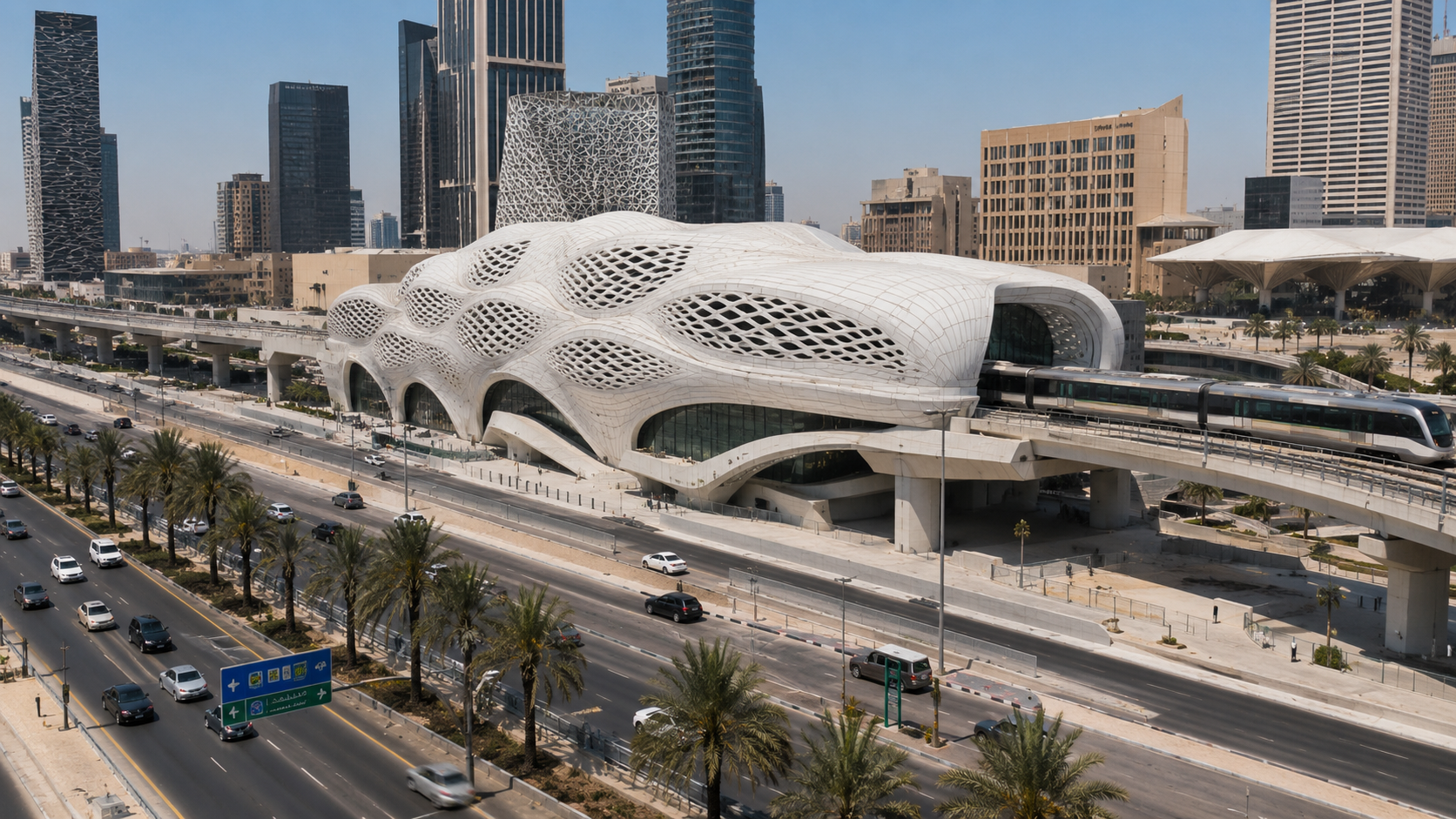
منذ بدء تشغيل مترو الرياض، لم يعُد الحديث عن العقار يدور حول الموقع وحده، بل حول المسافة التي تفصل الوحدة عن أقرب محطة. وقد بدأ تأثير مترو الرياض على أسعار العقارات يظهر في بيانات السوق بفروق واضحة بين النطاق القريب من المحطات والمناطق الأبعد داخل الحي نفسه.
مترو الرياض شبكة تُشرف عليها الهيئة الملكية لمدينة الرياض وتضم ستة مسارات تغطي محاور العاصمة الرئيسية. بدأ التشغيل تدريجيًا في ديسمبر 2024، ثم أُعلن في يناير 2026 عن توسعة المسار الأحمر بخمس محطات تصل إلى الدرعية.
الأهمية العمرانية تتجاوز التنقل، إذ تنقل الشبكة الرياض إلى مدينة متعددة وسائل النقل، فتعيد ترتيب الطلب على السكن والمكاتب والتجزئة. وبحسب نايت فرانك، يعيش نحو 1.5 مليون من سكان الرياض على بُعد خمس عشرة دقيقة مشيًا من إحدى المحطات.
الأثر لا ينشأ من المحطة ذاتها، بل من ثلاثة عوامل:
وقد رصدت دراسة أكاديمية من جامعة الملك سعود حول محطة مركز الملك عبدالله المالي زيادة في الكثافة السكنية الرأسية تتراوح بين 15% و30%، مع تحول واضح في الاستخدامات نحو النشاط المختلط بدلًا من السكني البحت، وارتفاع نسبة السكان من الفئات الشابة والمهنية التي تفضل وحدات أصغر قريبة من العمل.
أظهرت دراسة نايت فرانك 2025 ما وصفته بـ"علاوة المترو" عبر مقارنة نمو الأسعار داخل الحي الواحد:

المصدر: نايت فرانك 2025 (الربع الثاني 2023 – الربع الثاني 2025).
كما رصدت دراسة جامعة الملك سعود ارتفاع القيمة السوقية والإيجارية بنسبة 10% إلى 25% ضمن نطاق 400 إلى 800 متر من المحطة. والفارق يتسع في الأحياء الأقل ارتباطًا بمراكز العمل، ويضيق في الأحياء الراسخة.
مترو دبي يعمل منذ 2009، وتتوفر عنه بيانات صفقات خضعت لدراسات أكاديمية أظهرت أنّ الأثر ليس موحدًا:
ويقدّر "جيه إل إل" أن القرب مشيًا يضيف بين 5% وأكثر من 25% إلى قيمة العقار، مع استفادة أكبر للمجمعات عالية الكثافة. الدرس للرياض أن القُرب ميزة، لكن الالتصاق بالمحطة ليس دائمًا الأفضل.
بحسب "سي بي آر إي"، ارتفعت أسعار العقارات القريبة من محطات خط إليزابيث بنحو 20% بعد إقرار المشروع، أي خلال مرحلتي الإعلان والإنشاء وقبل بدء التشغيل الفعلي في 2022.
وعند قياس الفترة الأطول، أظهرت بيانات "سي بي آر إي" ارتفاع متوسط أسعار المساكن قرب محطات الخط داخل لندن بنسبة 80% بين 2008 و2023، مقابل 74% في المناطق الأوسع المحيطة بها، أي علاوة صافية قدرها ست نقاط مئوية. وفي بعض المحطات كان الفارق أكبر بكثير؛ فقد سجل نطاق محطة ماريلاند ارتفاعًا بنسبة 108% خلال عشر سنوات مقابل متوسط لندني بلغ 55%.
الخلاصة العملية أن الجزء الأكبر من الارتفاع يتحقق بين إعلان المشروع وبدء تشغيله، لا بعده. وهذا يعني أن التوسعات المعلنة في شبكة مترو الرياض، مثل امتداد المسار الأحمر نحو الدرعية، هي النافذة الزمنية التي يجدر بالمستثمر مراقبتها اليوم.
الأحياء الأكثر تأثرًا تجمع بين كثافة قابلة للنمو، وقرب من مراكز العمل، وضعف نسبي في الربط قبل المترو:
في المقابل تستفيد المجمعات الفيلية منخفضة الكثافة بدرجة أقل، ووقوع الحي على خط المترو لا يكفي؛ الأهم قرب العقار فعليًا من محطة يمكن الوصول إليها مشيًا.
تُشير بيانات الأسواق المشابهة إلى أن أثر المترو على العقار التجاري أقوى من أثره على السكني، لأن المحطة تولّد حركة مشاة يوميّة تخدم التجزئة والمكاتب أكثر من الوحدة السكنية. وينعكس ذلك على:
أما السكني فأقل تقلبًا وأسهل تسييلًا، وأثر المترو فيه يظهر في سرعة التأجير وثبات الإيجار.
تنمو الرياض بدفع من رؤية 2030 واستضافة إكسبو 2030، وارتفع معها الطلب على الوحدات السكنية والتجارية في الأحياء المخدومة بشبكة النقل. ومن المشاريع المطروحة عبر مدى العقارية:
تأثير مترو الرياض على أسعار العقارات حقيقي لكنه انتقائي: يتسع في الأحياء متوسطة الأسعار، ويضيق في الراسخة، ويميل لصالح التجاري. والأهم أن معظم النمو يسبق التشغيل، ما يجعل التوقيت حاسمًا.
تواصل مع فريق مدى العقارية للحصول على استشارة عقارية ومقارنة مبنية على بيانات السوق.
27 أغسطس 2026
ستة أشهر فقط استضافت خلالها ميلانو معرض إكسبو 2015. لكن أثر تلك الأشهر ما زال ظاهرًا في أسعار عقاراتها وحجم صفقاتها بعد عشر سنوات. والسؤال الذي يعني المستثمر السعودي: هل تتكرر القصة في الرياض مع إكسبو 2030؟
نقرأ هنا ما حدث في سوق ميلانو قبل المعرض وبعده، وما يمكن الاستفادة منه قبل أن تبدأ الرياض دورتها.
دخلت ميلانو مرحلة الاستضافة وهي تخرج من ركود طويل أعقب أزمة 2008، وكانت أسعار المساكن تقل بنحو 30% عن مستويات ما قبل الأزمة. ومع اقتراب موعد المعرض بدأت المؤشرات تتحسن، فارتفعت مبيعات المساكن نحو 6.8%، وتقدّم ترتيب المدينة في مؤشر PwC لجاذبية المدن الأوروبية من المركز 24 إلى 12.
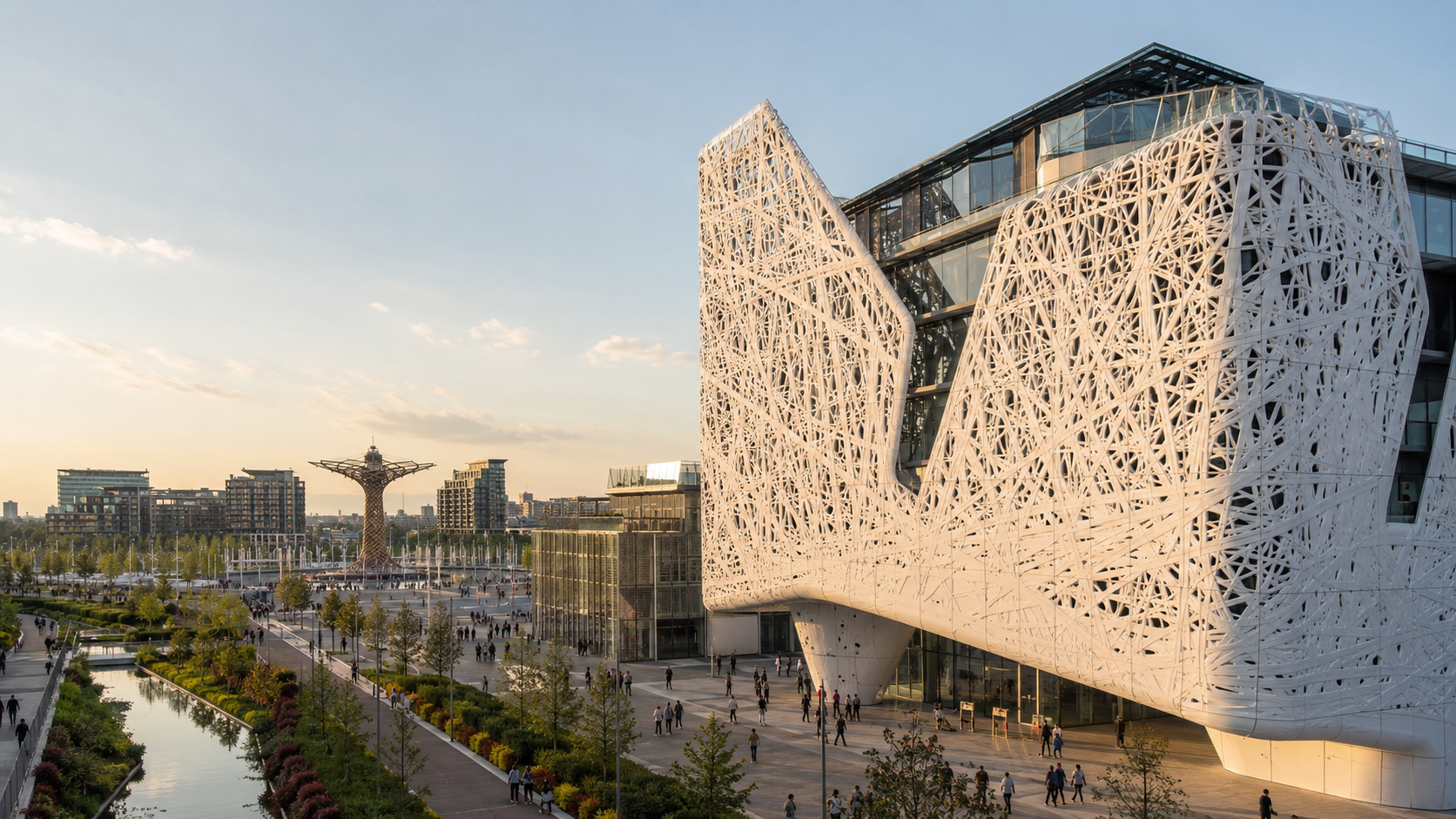
أقيم المعرض شمال غرب المدينة في منطقة رو-بيرو، وبعد انتهائه تحوّل الموقع إلى حي ميلانو للابتكار الذي يضم مستشفى ومراكز أبحاث وحرمًا جامعيًا ووحدات سكنية. وانعكس ذلك مباشرة على ما جاوره؛ ففي منطقة كاشينا ميرلاتا الملاصقة للموقع ارتفع متوسط سعر المتر من 2,776 إلى 3,993 يورو بزيادة 44%، مع نمو في الصفقات بلغ 78%.
الحركة سبقت الأسعار. بين 2015 و2021 ارتفعت الصفقات السكنية في ميلانو 48.2%، وصفقات المحال التجارية 60.5%، أما المكاتب فقفزت 179.7%. وارتفع إيجار المتر في وسط المدينة نحو 40%. وعلى المدى الأطول ارتفعت الأسعار بين 30% و40% منذ 2015، وبحلول 2022 بلغ حجم المبيعات ضعف مستواه قبل المعرض، مع تراجع المدة اللازمة لبيع الوحدة إلى النصف.
تستضيف الرياض إكسبو 2030 شمال المدينة، والبنية التحتية المرتبطة به قيد التنفيذ فعليًا لا في مرحلة التخطيط. وهذا يعني أن نافذة الدخول المبكر هنا أقصر مما كانت في ميلانو.
تؤكد تجربة ميلانو أن الحدث العالمي لا يرفع السوق كله بالتساوي، بل يرفع مواقع بعينها وفق البنية التحتية المحيطة بها. وهُنا يظهر دور الوسيط العقاري المحترف في تمييز الموقع الصحيح ممّا يجاوره.
في مدى العقارية نقرأ السوق ونرشّح الفرصة المناسبة دون أن نكون مطورًا مباشرًا، ما يمنحك خيارات أوسع وأكثر حيادية. تواصل معنا لمناقشة خياراتك في شمال الرياض.