Nov 5, 2024
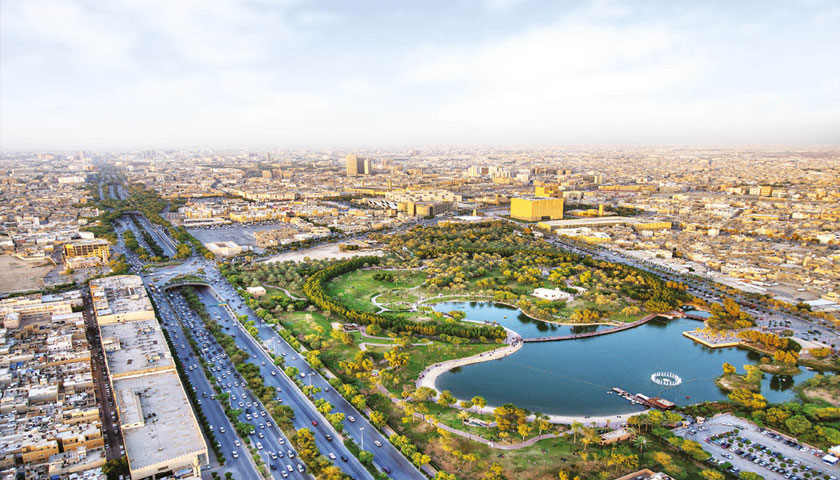
Picture strolling through Riyadh, where shade from newly planted trees cools the air, gardens thrive at every corner, and fresh breezes transform the city. The Greening Riyadh initiative is making this vision real, aiming to reshape the capital into a greener, more sustainable place for everyone. As part of Saudi Arabia’s Vision 2030, the Riyadh Green Project is on track to improve life quality while positioning Riyadh as an urban oasis.
Known for its rapid development, Riyadh faces unique environmental challenges, especially in a desert climate.
The Green Riyadh project goes beyond beautification; it addresses these challenges by increasing green spaces to help reduce heat, clear the air of dust, and increase humidity naturally.
This ambitious project not only creates cooler, cleaner spaces but also promotes outdoor leisure, providing people with more places to relax, exercise, and connect with nature.
The project sets out some remarkable targets to make the Riyadh Green Project a reality:
Central to the Green Riyadh Project is the planting of over 7.5 million trees across the city. These trees will be arranged into green belts and numerous public parks, creating refreshing green spaces where they are most needed. The project also focuses on native trees suited to Riyadh’s climate, chosen for their ability to thrive with less water and provide maximum shade and air purification.
Considering Riyadh’s desert location, water management is a crucial element of the Green Riyadh project. The plan includes nurseries for local trees and uses recycled water to irrigate green spaces, making the project both sustainable and environmentally friendly.
The Green Riyadh Project does more than beautify—it creates new investment opportunities, especially in real estate and tourism. Imagine investing in a city renowned for its natural beauty and state-of-the-art amenities.
Expanding green areas not only attracts residents and tourists but also drives demand for hotels, entertainment, and housing, which, in turn, raises property values and opens new avenues for businesses.
Riyadh’s green transformation makes it a lucrative choice for long-term investment, aligning with Vision 2030’s goals for a prosperous economy.
This ambitious project unfolds in structured stages to ensure Riyadh Green Project transformation is sustainable and lasting:
When we talk about the green Riyadh project, it’s so much more than just planting a few trees. There’s a whole vision behind it aimed at creating a healthy and sustainable urban space for all of us. Think about places like King Abdullah Park, a beautiful green oasis right in the city, where families can gather, relax, and enjoy nature together.
The Greening Riyadh initiative encourages things like vertical farming, making even the smallest spaces burst with life. Imagine turning an empty lot into a vibrant green area—it’s totally possible!
This isn’t just good for the environment; it’s also great for Riyadh's economy. More green spaces mean more attractions for tourists, giving them a unique experience where nature meets modernity, with the green areas around the tallest buildings, magic happens here!
Plus, these green projects are creating job opportunities for people in our community. From engineers to agricultural experts, there’s a need for a diverse skill set to bring this vision to life. So, as we support the green Riyadh project, we’re also investing in our local economy and helping our neighbors find work. It’s a win-win for everyone involved!
The success of Greening Riyadh shows that cities can grow without harming the environment, making it a model for cities worldwide facing similar challenges. By balancing urban expansion with environmental care, Greening Riyadh proves that economic growth and a green landscape can go hand in hand.
Other cities can take a page from Riyadh’s book, bringing together different industries and using the latest technology to create projects that suit their own unique needs. It shows what’s possible when there’s a strong commitment to sustainable urban living.
Watching Riyadh become a greener, more livable city is inspiring, but this transformation isn’t something the government can accomplish alone. Each resident has a part to play. By keeping public spaces clean, planting trees at home, or starting a small garden, we all contribute to Greening Riyadh.
Community support for the Riyadh Green Project isn’t just about trees; it’s about fostering a mindset that values and protects nature.
Together, we can make Greening Riyadh something everyone in the city feels connected to.
So now,
Greening Riyadh is about creating a balance where urban life and nature flourish together. This initiative is paving the way for a greener future for everyone. By investing with Mada Properties, you’re joining a movement that’s shaping Riyadh’s future and contributing to a city where nature and development work together.
Frequently Asked Questions About Greening Riyadh
1. What is Greening Riyadh?
Greening Riyadh is an initiative aimed at transforming Riyadh into a green oasis by increasing the number of trees and plants, thereby improving the quality of life in the city.
2. What are the stages of Greening Riyadh?
The Riyadh Green Project involves stages such as planning and design, infrastructure preparation, planting trees and greenery, and ongoing maintenance and monitoring to ensure the sustainability of green spaces.
3. How will the project improve Riyadh’s environment?
By expanding green spaces, the project will purify the air, lower temperatures, and increase humidity levels, making the city more livable.
4. How can residents and investors benefit from Greening Riyadh?
The initiative makes Riyadh more attractive to residents and tourists, enhancing property values and creating new investment opportunities in real estate, tourism, and entertainment sectors.
5. How can I, as a citizen, contribute to Greening Riyadh?
You can support the Riyadh Green Project by keeping public areas clean, participating in environmental initiatives, and planting trees and plants at home to contribute to the city’s green landscape.
Stay informed with expert-written articles and the latest trends in the real estate market.
April 2, 2026
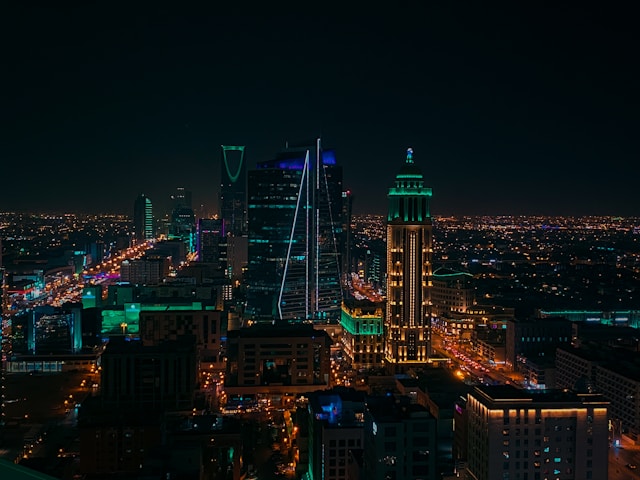
Northeast Riyadh neighborhoods have seen a remarkable surge in demand over the past few years. Whether you are looking for a comfortable family home or a promising real estate investment, this area offers a unique blend of modern infrastructure, essential services, and access to Riyadh’s major highways.
This rapid growth is no accident. It is the result of strategic development, improved road networks, and the area’s natural connection between the prestige of North Riyadh and the affordability of East Riyadh.
In this comprehensive guide, we will walk you through the nature and layout of northeast Riyadh districts, provide a complete list of northeast Riyadh neighborhoods, analyze the best northeast Riyadh neighborhoods for families, and offer a realistic look at the less developed areas—so you can make an informed decision, whether for living or investment.
Northeast Riyadh represents the natural expansion of the capital toward the north and east. It successfully combines the advantages of both directions: the sophistication of northern districts with the diversity and competitive prices of eastern areas.
These factors make northeast Riyadh an ideal choice for families seeking stability and investors looking for strong future returns.
When listing northeast Riyadh neighborhood names, the area includes a mix of well-established, emerging, and developing communities.
Prominent Names Include:
Al Mashreq, Al Zahir, Al Tadhamon, Al Shoula, Al Ula, Al Zahour, Al Rayah, Al Forsan, Al Dana, Al Risalah, Al Rabab, Al Majd, Al Nokhba, Qurtubah, and Al Janadriyah.
These districts vary in character—some are perfect for quiet family living, while others offer strong investment potential due to location and pricing.
Looking at the map of northeast Riyadh neighborhoods, you will notice a gradual extension from the eastern edge of the city toward the north, connecting established areas with newer developments.
Key Features of the Layout:
This distribution makes northeast Riyadh a flexible environment suitable for different needs, from family homes to investment properties.
When identifying the best northeast Riyadh neighborhoods, consider factors like location, services, noise levels, and property prices.
Qurtubah is one of the most integrated neighborhoods. It combines a prime location with full services and is highly popular among families.
Al Janadriyah offers a balanced experience in terms of price and location. It is close to main roads, making it suitable for both living and investment.
Al Mashreq is relatively quiet and a good choice for those seeking a residential environment away from heavy traffic.
Al Forsan is a newer neighborhood with good planning and adequate space.
Al Dana provides diverse property options at reasonable prices with a decent level of services.
Your choice among the best northeast Riyadh neighborhoods ultimately depends on your needs—whether you prioritize luxury, affordability, or proximity to work.
Northeast Riyadh offers a comprehensive range of daily services.
This service integration makes northeast Riyadh a truly livable environment.
Prices vary depending on the neighborhood, service level, and proximity to main roads.
Apartments generally start at competitive entry-level prices and go up to mid-range depending on the location. Villas range from mid to high prices. Land plots vary with the development stage of the area.
The main advantage here is the availability of options for different budgets, which increases the area’s attractiveness.
When discussing less desirable northeast Riyadh neighborhoods, the term is relative. It does not necessarily mean the area is unsuitable for living.
Common reasons for lower ratings include weaker infrastructure, fewer services, distance from main roads, or being in early stages of development.
However, such areas often represent future investment opportunities, as property values tend to rise as development catches up. Always evaluate a neighborhood based on your own needs, not just general classifications.
Understanding this difference helps clarify the nature of northeast Riyadh.
East Riyadh includes a mix of older and newer neighborhoods with steady development pace and diverse appeal. In contrast, northeast Riyadh is more modern and organized, with rapid development and a strong preference for modern living.
This is why northeast Riyadh neighborhoods are increasingly preferred by those seeking a relatively modern environment.
Your choice should be based on proximity to work or study, your budget, the level of services required, the type of property you want (apartment, villa, or land), and whether you prefer a quiet or vibrant neighborhood character.
There is no perfect neighborhood for everyone—only the right one for you.
Riyadh is no longer just an administrative capital. It has become one of the fastest-growing cities in the region and a key real estate investment hub under Saudi Vision 2030. The city is witnessing an unprecedented urban boom, reflected in rising demand for modern residential units—especially in vibrant areas like North Riyadh.
Investing in Riyadh today is not just about buying property. It is a strategic decision offering strong future returns through rental income or resale value. This is particularly true for modern residential towers that combine prime locations, contemporary design, and integrated services.
Below are some of the top residential projects representing genuine investment opportunities in Riyadh.
At Mada Properties, we do not just list properties. We act as your trusted advisor to help you make the right decision.
We provide accurate real estate market analysis, tailored recommendations within northeast Riyadh neighborhoods, comparisons between available options, and end-to-end support until purchase or rental is complete.
Northeast Riyadh neighborhoods represent a genuine opportunity for balanced living or successful investment. They combine urban development, service availability, and diverse options—making them one of the most attractive areas in Riyadh today.
Whether you are searching for a family home or a long-term investment, understanding the details of northeast Riyadh is your first step toward a confident decision.
They are districts located between northern and eastern Riyadh, characterized by urban development and available services.
Top choices include Qurtubah, Al Janadriyah, Al Mashreq, and Al Forsan due to their services and prime locations.
Yes: Al Mashreq, Al Zahir, Al Tadhamon, Al Shoula, Al Ula, Al Zahour, Al Rayah, Al Forsan, Al Dana, Al Risalah, Al Rabab, Al Majd, Al Nokhba, Qurtubah, and Al Janadriyah.
Yes, most offer peace, schools, and essential services.
Some areas are still in early development stages, but they may offer future investment potential.
Yes, due to continuous growth and rising demand.
Base your decision on budget, service needs, and daily commute requirements.
March 30, 2026
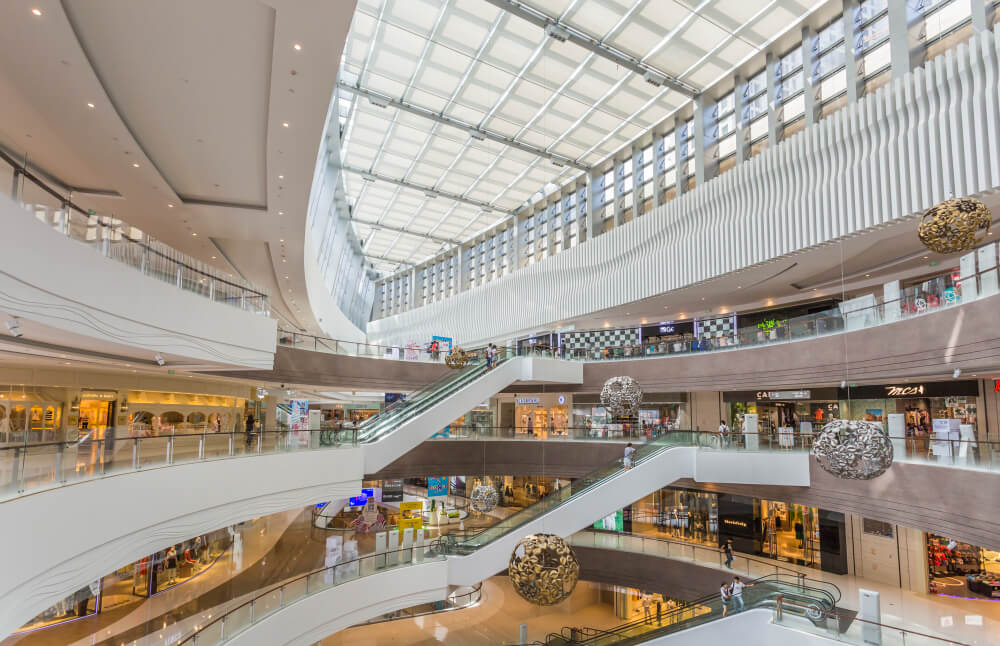
Riyadh International Market is one of the most prominent commercial destinations in Riyadh, blending the authenticity of traditional souks with the modernity of shopping centers. This market is not just a place to shop, but a comprehensive experience that reflects the diversity of Saudi culture and the details of daily life in the capital. With its variety of products, reasonable prices, and vibrant location, the market has become a key destination for visitors from within the Kingdom and abroad.
In this article, we provide you with a comprehensive guide to the Riyadh International Market, starting from its location, moving through its shops and services, and ending with the most important tips and experiences that will benefit you when you visit.
The Riyadh International Market first appeared in the late 1960s as a collection of small kiosks selling basic products such as clothing and vegetables. Over the years, the market underwent significant development until it became an integrated commercial center housing hundreds of diverse shops.
Today, the market is considered one of the most prominent shopping landmarks in Riyadh, combining traditional character with a modern style, giving it a unique appeal that attracts different demographics. It is also known for its diverse products, including clothing, jewelry, perfumes, electronics, and home appliances.
When searching for the Riyadh International Market location, you will find it in the Al-Dhahrat Al-Badi'ah district, west of Riyadh, near Al-Madinah Al-Munawwarah Road. This is a strategic location easily accessible from all parts of the capital.
The Riyadh International Market Riyadh is distinguished by its proximity to several vital landmarks and main roads, making it a suitable choice whether you rely on your own car or public transportation. The surrounding area also includes multiple services such as hospitals, parks, and other commercial centers. This vibrant location makes the market a major gathering point for shoppers, especially in the evenings and on weekends.
One of the most frequently asked questions by visitors is: When does Riyadh International Market open?
The market opens its doors daily to visitors, and working hours typically start from 4:00 PM to 11:00 PM, although some timings may vary depending on the store or during official holidays. These hours provide great flexibility for visitors, allowing them to shop after work or in the evening in a more comfortable atmosphere, especially during the summer.
The Riyadh International Market shops are among the main attractions, as the market houses over 600 stores offering a variety of products to suit all tastes and budgets.
These stores are characterized by offering the latest fashion trends alongside traditional clothing. Visitors can find clothes for men, women, and children, in addition to fabrics and sportswear. These shops combine quality with reasonable prices, making them an ideal choice for families.
The market is known as a distinguished destination for gold enthusiasts, with numerous jewelry stores offering a variety of gold and diamond designs at competitive prices. This diversity has led some to call it the Gold Souk within Riyadh due to the wide range of options available.
The perfume shops in the market offer a wide selection of oriental and international fragrances suitable for different tastes, with the possibility of trying the scents before purchasing.
The market is not limited to clothes and jewelry; it also includes stores for electronics and household items, making it a comprehensive place that meets the entire family's needs.
If you are looking for a Guide to Riyadh International Market, the most important feature of the experience inside the market is the vast diversity of products, in addition to the ability to compare prices within the same place.
The market also provides several services such as:
All these factors make the shopping experience easier and more comfortable, especially for families.
When looking at Riyadh International Market reviews, you will find that most visitors praise the diversity of products and reasonable prices compared to other markets. Many also commend the traditional atmosphere, which offers a different shopping experience where you can bargain for prices in some shops, adding a unique touch not found in modern malls.
Among the most prominent positive notes are:
Some wonder about the Owner of Riyadh International Market. Although the market has undergone multiple development stages over the decades, it is managed within a commercial system that has seen continuous updates to keep pace with the evolution of modern markets. These updates have helped preserve the market's traditional identity while adding modern services, enabling it to remain competitive today.
Riyadh International Market was established in central Riyadh in 1994 and is owned and managed by Riyadh Development Company, a Saudi joint-stock company considered one of the prominent real estate developers in the city.
If you liked the experience of the Riyadh International Market, there are several markets similar to Riyadh International Market in Riyadh worth visiting, such as:
These markets offer diverse experiences combining reasonable prices and great product variety, though each has its own unique character and style.
To make the most of your visit to Riyadh International Market Riyadh, here are some tips:
Riyadh is today one of the fastest-growing cities in the region, witnessing an unprecedented economic and urban boom driven by Saudi Vision 2030. This growth has directly impacted the real estate sector, making investment in Riyadh a smart choice for individuals and companies seeking stable returns and strong future opportunities.
Riyadh is characterized by diverse investment opportunities, from modern residential projects catering to families to commercial and administrative projects targeting entrepreneurs and large corporations. Advanced infrastructure, strategic location, and increasing demand for real estate are all factors that enhance investment value and increase its attractiveness.
With urban expansion in neighborhoods like Al-olaya and An-Nakheel, these areas have become some of the top destinations attracting investors, thanks to their integrated services and proximity to the city's most vital hubs.
Al-Adwan Tower is one of the distinguished commercial projects offering a strong investment opportunity in the office sector within Riyadh. Located in An-Nakheel district, one of the vibrant areas witnessing increasing commercial activity, this enhances the long-term value of the investment.
The project includes 122 office units with modern designs and flexible spaces suitable for various activities, with high-quality finishes reflecting a professional work environment. It is also characterized by its proximity to main roads and commercial areas, making it easily accessible and an ideal choice for companies. Prices start from 1,940,000 SAR, with an expected delivery date in Q4 2027, giving investors an opportunity for early entry into a promising project.
The Royal Residence 2 project offers a different concept for modern residential living, combining contemporary design with practical comfort in a prime location in Al-‘Ulayya district. The project is a suitable choice for families seeking an integrated residential environment that combines privacy and easy access to services.
The project consists of 41 residential units with diverse designs, including two-bedroom and three-bedroom apartments, with carefully studied spaces to meet residents' needs. Prices start from 1,925,000 SAR, with delivery in Q4 2027. The project reflects extensive experience in real estate development, with attention to the finest details to provide a balanced living experience between elegance and functionality.
The Safanah Residential Tower 4 represents a model of modern living that combines local identity with contemporary design in the heart of Al-‘Ulayya district. The project features a location that balances tranquility and vitality, making it suitable for those seeking a comfortable lifestyle within the city.
The project includes a limited number of residential units, with options ranging from one to two-bedroom apartments, along with an architectural design that blends simplicity and elegance. Attention has been paid to interior details such as natural lighting and open spaces, in addition to facilities that enhance the quality of daily life, such as wide entrances and internal gardens.
Prices start from 1,887,000 SAR, with a limited number of units available, making it a suitable opportunity for those looking to own a distinguished residence or invest in a promising area.
Majestic Tower offers a different concept of residential luxury in North Riyadh, specifically in Al-‘Ulayya district, which is considered one of the most developed and attractive neighborhoods for residents. The project features an elegant architectural design reflecting a sophisticated lifestyle, with attention to all details ensuring comfort and luxury.
The project includes 44 residential units with diverse designs ranging from two-bedroom to four-bedroom apartments, providing multiple options to suit different needs. The units are designed to offer spacious areas and natural lighting, with finishes reflecting high implementation quality.
Prices start from 1,875,000 SAR, with an expected delivery date in Q4 2027, making it an ideal opportunity for those looking to invest or reside in a strategic location within the capital.
When considering investment or living near the Riyadh International Market, the importance of dealing with a trusted entity like Mada Real Estate Company becomes evident.
Mada Properties works as a professional real estate broker connecting clients with the best real estate opportunities within and outside Riyadh, without being a direct developer, giving the client wider options and greater neutrality in choice.
The company is distinguished by:
Whether you are looking for a residence close to the market or an investment opportunity, dealing with a professional broker saves you time and effort.
In conclusion, the Riyadh International Market remains one of the most important shopping destinations in the capital, combining history and evolution in one place. The variety of shops, reasonable prices, and strategic location all make it an ideal choice for anyone seeking an integrated shopping experience.
Whether you are a resident of Riyadh or a visitor, a visit to this market will give you a unique experience that blends culture and commerce simultaneously.
The Riyadh International Market location is in Al-Dhahrat Al-Badi'ah district, west of Riyadh, near Al-Madinah Al-Munawwarah Road.
Work begins daily from 4:00 PM to 11:00 PM. Knowing when Riyadh International Market opens helps you organize your visit.
The shops in Riyadh International Market include clothing, gold, perfumes, electronics, and home appliances.
Yes, Riyadh International Market Riyadh provides services and facilities suitable for families, such as parking and elevators.
The guide to Riyadh International Market offers comprehensive information about the shops, location, timings, and services inside the market.
March 29, 2026
The real estate sector in the Kingdom of Saudi Arabia is undergoing a massive transformation driven by Vision 2030. Success in this market is no longer just about the quality of the project; it is intrinsically linked to the strength of the marketing strategy and its ability to reach the right customer at the right time. This is why the search for the best real estate marketing companies in Saudi Arabia is increasing daily—whether for developers, investors, or individuals seeking a residential or investment opportunity.
In this comprehensive guide, we will take you on a detailed tour to understand the role of real estate marketing companies, how to choose the right partner, the services they offer, and why partnering with a top real estate marketing company in KSA has become an essential step.
The best real estate marketing companies in Saudi Arabia rely on an integrated system that combines analysis, planning, and execution. The process begins with a detailed market study, identifying the target audience, and then building an integrated marketing strategy.
Core Operational Elements:
The role of any real estate marketing company is not limited to advertising alone but extends to building a strong brand image for the project and turning it into a clear investment opportunity.
Given the intense competition, achieving strong results without relying on a real estate marketing company that possesses the necessary experience and tools has become difficult.
Key Reasons:
For these reasons, investors and developers constantly turn to the top real estate marketing companies in Saudi Arabia to ensure effective and sustainable results.
Choosing the best real estate marketing company should not be random; it must be based on a set of clear criteria that ensure your success.
The company must have a strong track record specifically in real estate marketing, not just general marketing experience.
Real estate marketing companies in Riyadh, for example, are distinguished by their ability to understand the nature of the local market, which is a crucial factor in the success of campaigns.
The best companies offer a service package that includes:
Any successful real estate marketing company relies on numbers, not guesswork.
The best real estate marketing companies in Saudi Arabia offer an integrated set of services covering all stages of marketing.
One of the most important services offered by a top company is:
Real estate marketing companies in Riyadh are among the most important drivers of the market, given that the capital is a massive economic and investment hub.
What distinguishes them:
This is why many of the best real estate marketing companies in Saudi Arabia are based in Riyadh.
In a crowded market full of options, Mada Properties emerges as a different model in the world of marketing and brokerage. It does not act as a traditional intermediary but as a genuine investment partner.
Mada does not just sell units… it provides a vision.
The company relies on a precise reading of the market and deep analysis of opportunities, enabling it to select projects that hold real value today and the potential for growth tomorrow. This approach has made it stand out among the best real estate marketing companies in Saudi Arabia.
What distinguishes Mada Properties:
Success is not just a promise for Mada Properties; it is a reality proven by tangible results. The company has successfully marketed and fully sold out several projects, including:
These results confirm that Mada Properties is not just a marketing company but an entity capable of turning a project into a success story.
When comparing your options, focus on:
Do not forget that choosing the best real estate marketing company is an investment in itself.
The market is moving towards:
This means that the best real estate marketing companies in Saudi Arabia will be those most capable of adapting to these changes.
In a fast-evolving market like the Saudi real estate market, success no longer depends solely on the quality of the project but on the strength of the marketing and the intelligence of the execution. Therefore, dealing with the best real estate marketing companies in Saudi Arabia has become a necessity, not an option.
Choosing the best real estate marketing company is the first step towards achieving your goals, whether you are an investor, a developer, or even a buyer looking for a suitable opportunity.
In this landscape, companies that provide real value—like Mada Properties—remain the smartest choice for those seeking clear results and sustainable investment.
The best real estate marketing companies in Saudi Arabia are those that offer integrated services, rely on market analysis, and achieve tangible sales results. Mada Properties is a leading example.
You can choose the best real estate marketing company by reviewing their experience, past results, and understanding of the local market.
Real estate marketing companies in Riyadh play a crucial role in managing real estate campaigns and leading the market due to the large scale of projects.
Yes, a real estate marketing company helps you reach customers faster and achieve the best possible price.
Services include digital marketing, campaign management, content production, and market analysis.
Yes, real estate marketing companies in Riyadh are distinguished by greater expertise in large-scale projects and the competitive market.
Because it provides integrated consultancy solutions and has achieved strong results in marketing major projects, making it one of the most prominent names in the market