Vision 2030

Blogs

Mada Properties
The Impact of Giga-projects on Real Estate in Riyadh

October 24, 2023

The Impact of Giga-projects on Real Estate in Riyadh

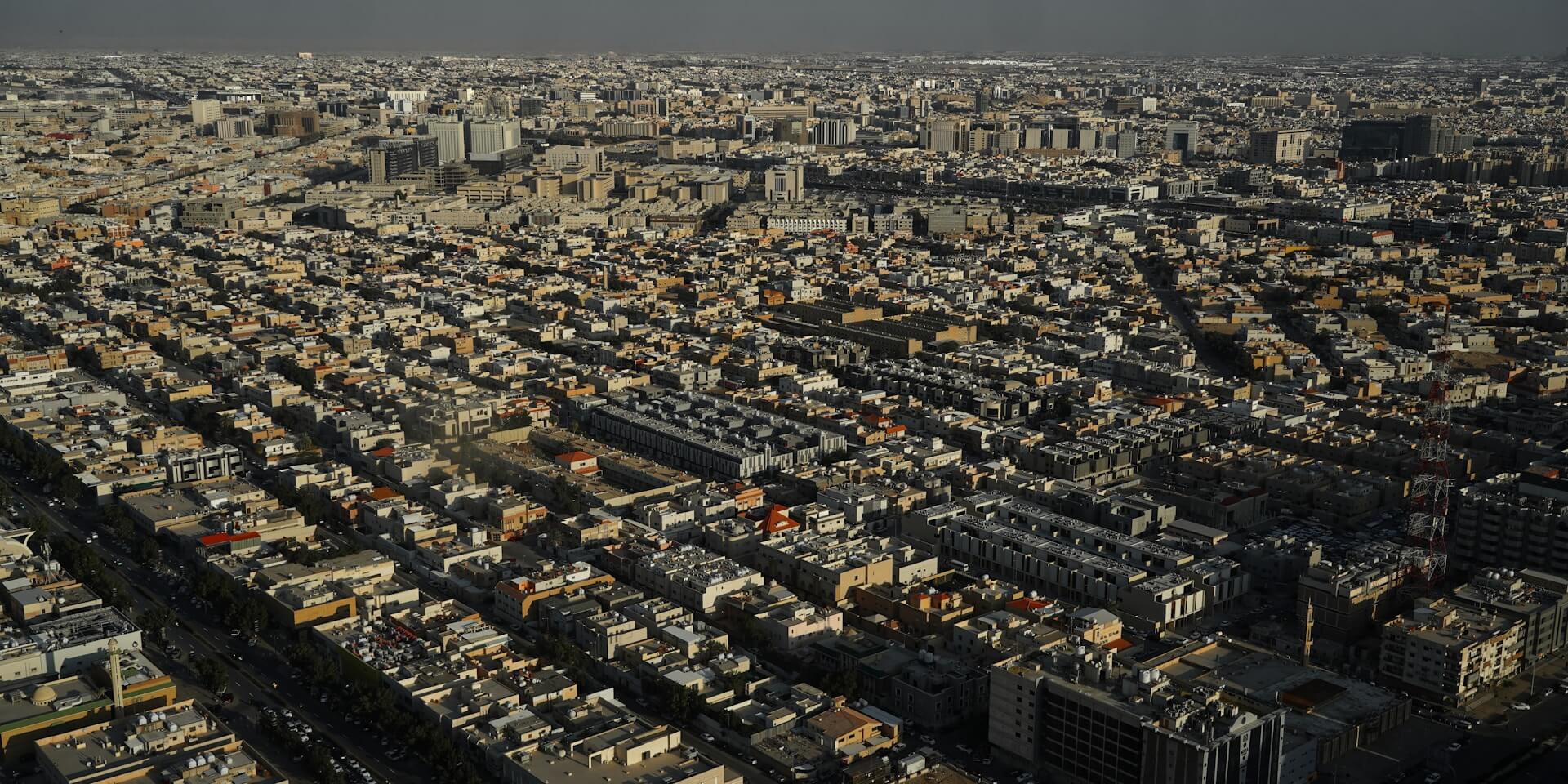
Riyadh has emerged as a highly prominent city for development and modernization in the Kingdom of Saudi Arabia in recent years. The impact of giga-projects on real estate investment in Riyadh is evident and clear in their contribution to the city's growth and the real estate sector in Riyadh.


Giga-projects in Riyadh:

Riyadh has numerous major projects aimed at enhancing infrastructure, increasing property value, and promoting economic and social development in the city. On March 19, 2019, King Salman bin Abdulaziz Al Saud announced four projects exceeding 86 billion Saudi Riyals, aimed at developing Riyadh, the capital of the Kingdom. Following this, many other projects have been initiated including:


★      King Salman Park Project: One of the four major projects in Riyadh, the park covers an area exceeding 16 square kilometers, making it one of the largest urban parks in the world. The park incorporates over one million trees, open spaces covering approximately 11.5 square kilometers, and a circular path measuring 7.2 kilometers in length. The park includes:

●       The Royal Arts Complex: Its area exceeds 400,000 square meters and includes the National Theater, five closed theaters, an outdoor theater, and a cinema complex with three halls. It also hosts four arts academies and an educational center dedicated to developing children's talents.

●       Cultural Facilities: It encompasses seven diverse museums and event spaces spread over an area of 40,000 square meters.

●       Sports and Entertainment Facilities: These facilities have a significant impact on the sports economy and real estate. They include the Royal Golf Course, virtual reality place, a skydiving and hot air balloon center, an equestrian center, a running and cycling track, an entertainment gaming zone, a water park, and a family entertainment center.

●       Public Facilities and Services: Such as mosques, security centers, healthcare and educational facilities, social centers, public libraries, and parking buildings.

●       Residential and hotel facilities: These facilities can fall under the category of real estate investments in giga-projects in Riyadh, as they provide:


■       Residential complexes that offer approximately 12,000 diverse housing units.

■       16 hotels with 2,300 hotel units considered to be luxurious accommodation options in the giga-projects in Riyadh.

■       Profitable spaces for restaurants, cafes, and retail sectors covering an area exceeding 500,000 square meters.

■       Office building complexes covering an area of 600,000 square meters.

●       Riyadh Green Project: The objective of this project is to enhance the city's green spaces by increasing the per capita green space to 16 times its current size. By planting over 7 million trees across Riyadh, the project aims to achieve a total green space coverage of 9% in the city.

●       Riyadh Art Project: This project aims to transform Riyadh into an open art exhibition that blends modernity with heritage.

●       Sports Track Project: This project aims to encourage residents to adopt healthy mobility patterns and promote engagement in various sports, particularly walking, cycling, and horse riding. The project covers a distance of 135 kilometers and includes safe and tree-lined pedestrian paths, dedicated routes for both professional and amateur cyclists, as well as tracks for horse riding.

In addition to these projects, there are many others, such as the King Abdulaziz Public Transport Project in Riyadh and the King Salman Project, which is considered one of the urban development projects in Riyadh that focuses on infrastructure and real estate.


The Giga-projects in Riyadh and the Real Estate Market:

We can consider the giga-projects in Riyadh as one of the most important factors influencing the real estate sector and property trends in Riyadh. When a large project is announced, such as the development of a specific area or the construction of new facilities, it usually leads to an increase in supply and demand in the real estate market in Riyadh and affects its value. Here are some reflections of the giga- projects on the real estate sector in Riyadh:

●       The impact of Giga-projects on property prices in Riyadh: The development of major projects contributes to increasing the value of existing properties in the surrounding areas. The demand for housing, offices, and commercial spaces increases, leading to price rises.

●       Provision of public services: Giga-projects are likely to include plans for creating public facilities, such as hospitals, schools, and entertainment centers. This increases the real estate attractiveness of giga-projects in Riyadh for investors and residents, leading to increased demand for properties in those areas.

●       Infrastructure: When a large project is developed, there is usually an improvement in the surrounding infrastructure. This includes expanding roads, securing and improving public transportation, as well as providing other services. It also enhances the overall attractiveness of the area and consequently increases the value of its properties.

●       Investment opportunities: One of the changes in the real estate market in Riyadh is the increased investment opportunities based on giga-projects that attract investors to the real estate market in Riyadh. They can benefit from the increased demand for properties to achieve good financial returns.

●       Economic effects: Giga- projects contribute to enhancing economic growth, creating job opportunities, and increasing income for the population. This can lead to increased demand for properties in the city, increasing, as such, the prices there.

●       Real estate development: There may be transformations in the real estate market in Riyadh due to these giga- projects, which result in the construction of new residential and commercial projects. This increases the supply of properties and intensifies price competition.

●       Available housing and real estate in Riyadh: Giga- projects may lead to providing diversity in the real estate availability in the city. New residential or commercial complexes may be built. As a result, this will create various opportunities for investors and tenants in Riyadh's real estate market.

●       Increased demand for commercial properties: When analyzing the real estate market in Riyadh in light of giga- projects, we observe a relationship between these projects and transformations in the commercial real estate market in Riyadh. The application of giga- projects creates a desire among many business owners to invest in surrounding or neighboring areas of these projects, resulting in increased demand and higher prices for these commercial properties.


Attention must be paid to the fact that the relationship between giga-projects and the real estate market in Riyadh depends on other factors, such as location, urban planning, as well as supply and demand in the real estate market. Sometimes, the impact can be direct and immediate in certain areas, while it may be gradual and slow in others.


In conclusion, the future and growth of the real estate market in Riyadh are inevitable as a result of the ongoing development and modernization of the city, as well as the implementation of projects aligned with the Kingdom's Vision 2030 program. In fact, this association works to strengthen several sectors, most notably the real estate one, which is witnessing extraordinary growth and expansion as one of the associated effects of giga- projects, ensuring a bright future for this sector and its investors.

The Transformation of Riyadh's Skyline

October 23, 2023

The Transformation of Riyadh's Skyline

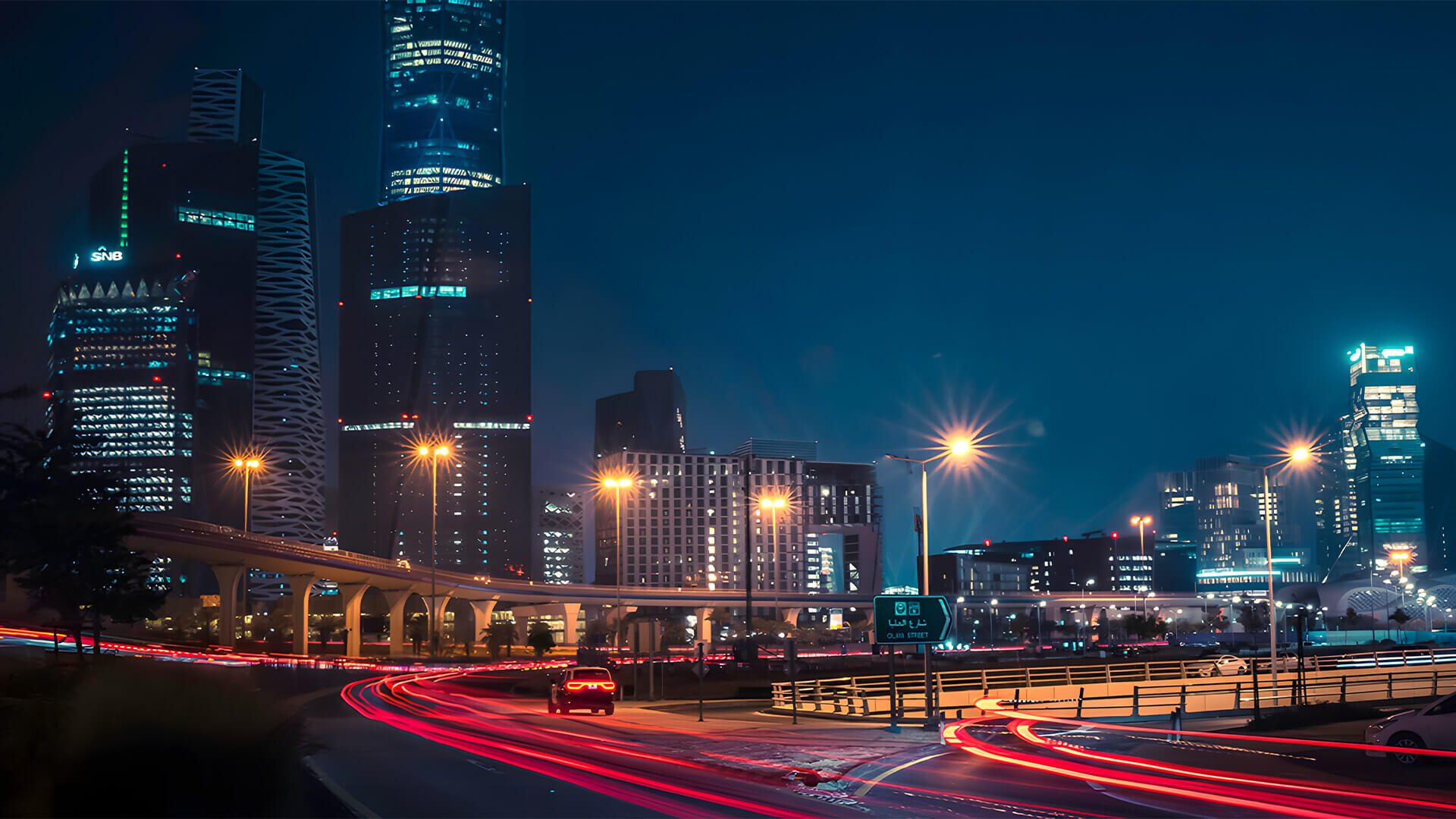
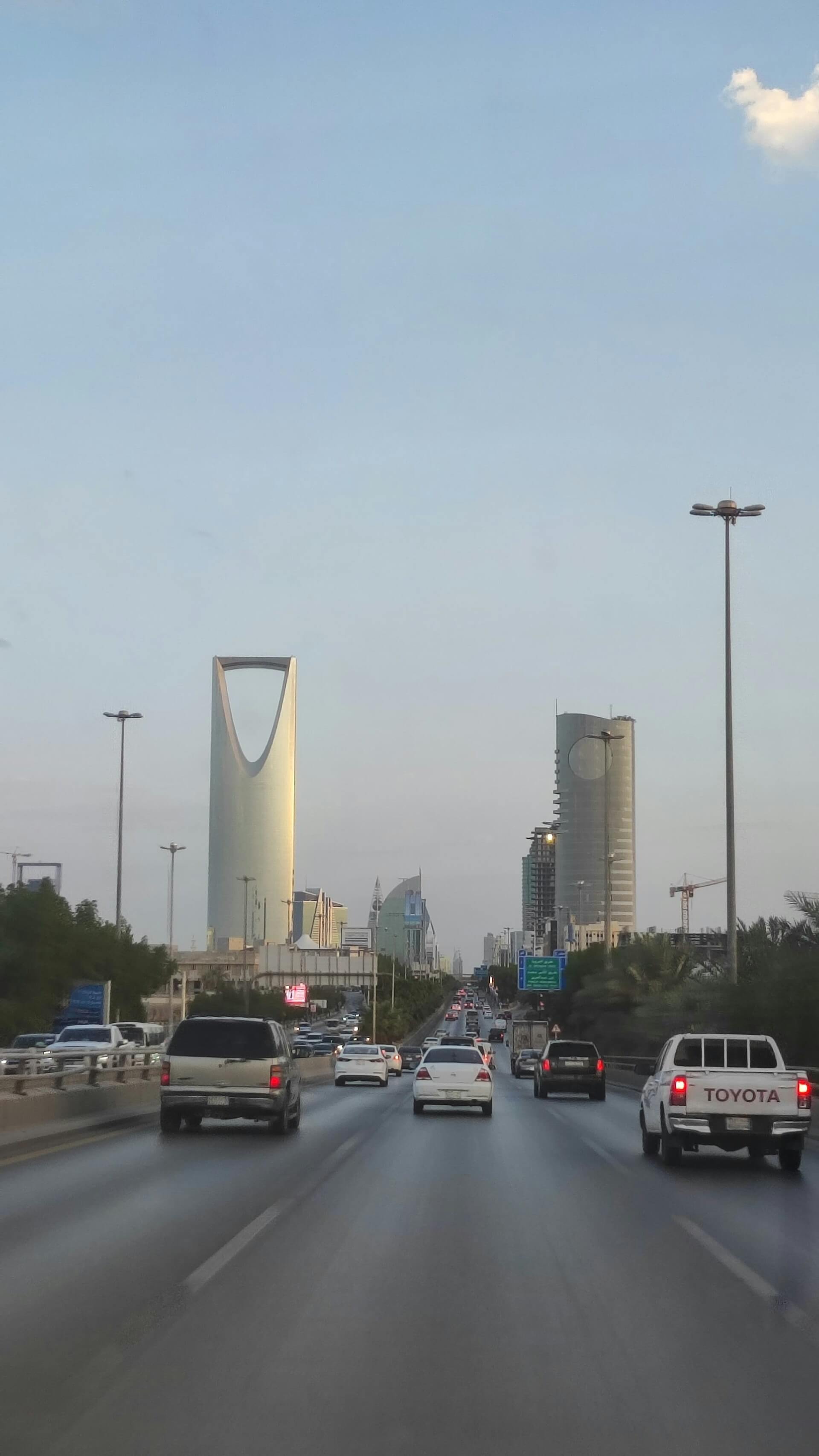
The Transformation of Riyadh's Skyline refers to the development, economic growth, and urbanization in Riyadh. The city has witnessed a significant transformation in various development aspects in recent years, particularly in the construction and real estate sectors. Several Saudi Arabia skyscraper projects have been constructed in general, and specifically in Riyadh, with the aim of enhancing the city's appearance and urban design, as well as meeting the increasing demand for vertical spaces to improve the quality of life in Riyadh.


Examples of Modern skyscrapers in Riyadh include:

Kingdom Tower: It is one of the prominent architectural landmarks in Riyadh. The project's cornerstone was laid in 1996, and it was completed in 2002. The tower consists of 41 floors above ground, reaching a height of approximately 300 meters, with a total area of around 94,000 square meters. The tower includes a hotel, a shopping center, offices, and a variety of international restaurants.

Al Faisaliah Tower: It is another iconic architectural innovation in Riyadh. Situated over a 55,000 square meter area, the tower has thirty floors and stands at a height of 267 meters. Construction of the tower began in 1997, and it was inaugurated in May 2000. This mixed-use tower comprises a luxury hotel, commercial centers, and offices.

Al Nakheel Tower: It is an example of modern architecture in Riyadh, characterized by its contemporary design. Also, it is one of the tallest five buildings in the city, reaching a height of around 200 meters. The tower consists of 26 floors above ground and 4 floors below ground. Construction of the project began in 2008 and was completed in 2011.


The impact of Skyscrapers on Riyadh's Economy

Skyscrapers play a significant role in enhancing economic development projects in Riyadh through several aspects:

●    Real estate development and investment in Riyadh: The construction of skyscrapers requires massive investments in real estate and infrastructure projects in Riyadh. These investments, in turn, promote the city's economic growth and improve its economic environment. Skyscrapers encourage real estate development in Riyadh and its surrounding areas, providing more residential, commercial, and office units, which contributes to increasing and improving the supply and demand in the real estate market. They also provide solutions to address population growth challenges in Riyadh by ensuring the availability of these units.

●    Tourist attraction in Riyadh: Skyscrapers play a significant role in tourism in Riyadh. The presence of such landmarks attracts tourists from within and outside the Kingdom, increasing tourism revenues and boosting the hospitality and entertainment sectors in the city. This stimulates the local economy in Riyadh as part of the transformation of Riyadh's Skyline and tourism revenues.

●    Business and commerce in Riyadh: Skyscrapers provide large office and commercial spaces, which encourage companies to go into the investment in Riyadh's skyscraper projects field and establish their businesses there. These companies also create employment opportunities for the local population, thereby enhancing economic activity in Riyadh as a whole. Skyscrapers can also contribute to fostering business relationships and international partnerships, creating commercial opportunities in Riyadh's Skyscrapers by attracting companies and investors from around the world. 

●    Enhancing urban identity: The prominent presence of skyscrapers in Riyadh enhances the urban identity of the city and reflects its development and modernization. This, in turn, boosts the pride of the local residents and attracts investment to Riyadh through cultural and commercial activities and events in the city. It also contributes to a long-term appreciation of the architectural culture in Riyadh.

●    Stimulating the service sector: The presence of skyscrapers significantly stimulates the service sector in Riyadh. These skyscrapers and towers, besides houses, contain many luxury hotels, restaurants, retail stores, and entertaining facilities that enhance commercial activity and increase the economic impact of Riyadh's modern buildings.


Job Creation through Skyscraper Projects

Building and operating skyscrapers require specialized skills in various fields, such as engineering and design. Local workers are employed, and their skills are developed through these projects, enhancing the practical capabilities of workers in Riyadh. Generating employment opportunities is one of the economic benefits of skyscraper construction in Riyadh, and these opportunities are created in several ways:

●    Construction and Development: The urban innovation in Riyadh can be observed through the designs of skyscrapers and towers in the city, as their construction requires significant efforts. Consequently, a large number of workers, technicians, and specialized engineers are employed in these projects, including both local and foreign workers at times. This provides local employment opportunities and promotes the local economy.

●    Maintenance and Management: The maintenance and management of skyscrapers require ongoing efforts and continuous management. Maintenance and management teams, including technicians, craftsmen, and administrators, are employed to ensure the safety and quality of the buildings and provide necessary services to residents or users, creating employment opportunities in the service sector.

●    Service Sector: Since these skyscrapers accommodate a large number of offices and commercial facilities, these facilities may include restaurants, hotels, business lounges, and more. Operating and managing these facilities naturally require employing a significant number of workers in the service sector, such as waiters, chefs, and administrative staff.

●    Related Businesses: Due to the presence of skyscrapers, economic activity is increased in the surrounding area of these projects. This leads to the growth of related businesses such as logistics, transportation, and trade, providing additional employment opportunities for the local population.


Additionally, the relationship between skyscrapers and economic growth in Riyadh can contribute to attracting more investments and businesses in various fields to the region, thereby increasing the available job opportunities.


Infrastructure Investments and Economic Growth in Riyadh

The construction of skyscrapers is associated with several modifications and improvements applied in the area where the project is located. One of the most prominent aspects is the investment in infrastructure and its development to achieve urban prosperity in Riyadh. These investments create a mutually beneficial relationship between skyscrapers and the surrounding areas through various aspects, including:

●    Transportation: By expanding the city's transportation system, including the construction of new roads, bridges, and the development of public transportation systems.

●    Public Infrastructure: This includes providing internet networks, electricity, hygiene systems, and working towards achieving environmental and urban sustainability in Riyadh within these projects.

●    Public Facilities: Providing necessary public facilities for the residents, which create a suitable living environment and meet the needs of the local community, such as hospitals and schools.


Finally, the future of Riyadh's changing cityscape holds a lot of business expansion in Riyadh's new architectural landscape towards sustainability and intelligence. Skyscrapers are considered one of the elements of architectural transformation in Riyadh, which positively contributes to the economy and urban development of Riyadh, making it one of the most advanced and investment-friendly cities worldwide.

Exploring Riyadh's Cultural Kaleidoscope

October 23, 2023

Exploring Riyadh's Cultural Kaleidoscope

Riyadh's Themed Residential Neighborhoods in the Heart of Saudi Arabia


Saudi Arabia is a nation with a rich and diverse cultural heritage, intertwined with modern urban developments. The capital city of the kingdom, Riyadh, is not just a bustling metropolis, but also a place where traditional values coexist with modernity, fostering the proper environment to establish a thriving expatriate community.

In recent years, the city has seen a rise in Riyadh's themed residential neighborhoods that cater to different cultural backgrounds and lifestyles, creating vibrant, diverse, and close-knit neighbourhoods. These cultural themed residential communities in Riyadh offer a unique blend of tradition and modernity, fostering a sense of community and promoting cultural diversity in Riyadh neighborhoods. In this blog post, we will take you on a journey through some of Riyadh's themed residential neighborhoods that are turning the city into a cultural tapestry.


Diplomatic Quarter (DQ) - Where the World Resides


One of the most iconic and cultural themed residential communities in Riyadh is the Diplomatic Quarter, or DQ. Nestled within the heart of the city, the DQ hosts embassies, consulates, and international organizations, making it a melting pot of cultures and nationalities. Here, you will find residents hailing from all corners of the globe, creating a microcosm of cultural diversity in Riyadh neighborhoods. The community showcases a harmonious mix of architectural styles, lush parks, and facilities that cater to the needs of the international community. It is not just a place to live but a place to connect with the world, surrounded by a kaleidoscope of cultures, making it a truly global experience.


Al Nakheel Village - A Glimpse into the Saudi Heritage


For those seeking a more traditional Saudi living experience, Al Nakheel Village is a captivating choice. This themed residential community is designed to immerse residents in Saudi heritage and culture. Paying homage to Saudi traditions and aesthetics, the architecture, landscaping, and ambiance of the place all reflect the nation's rich traditions. Living here is like stepping into a time machine that takes you on a journey through Saudi Arabia's history, with a modern twist. From traditional souks to charming courtyards, Al Nakheel Village offers an authentic cultural experience, exuding a distinct Saudi flavour that reflects the rich traditions and hospitality which define Saudi life.


Palm Hills - The Lap of Luxury and Cosmopolitan Living


Palm Hills, located in Riyadh, represents a different facet of the city's evolving landscape. This luxurious residential development caters to those who desire a modern and cosmopolitan lifestyle. It is a haven for expatriates and individuals seeking a high-end living experience, where they have access to international schools, upscale shopping centres, and abundant choices of world-class recreational facilities. The haven-like atmosphere fosters cultural diversity in Riyadh neighborhoods and international connections, adding value to the already vibrant city of Riyadh.


Salam Park - Celebrating Global Cultures


While not a residential community per se, Salam Park is an essential mention in Riyadh's cultural landscape. This sprawling urban public park serves as a hub for cultural events, exhibitions, and festivities that celebrate various international cultures. It fosters a sense of community by promoting cultural exchange and understanding among the city's residents through music, art, food, and entertainment. It is a place where Riyadh residents and visitors come together to experience the world's diversity and a sense of global community.


Embracing Cultural Diversity in Riyadh Neighborhoods


Riyadh's Themed Residential Neighborhoods are transforming the city into a vibrant, diverse, and culturally enriched metropolis, and they are emblematic of Riyadh's evolving identity. As the city continues to grow and develop, it welcomes people from all walks of life, creating a truly diverse and vibrant cultural tapestry. These cultural themed residential communities in Riyadh offer more than just housing; they provide a unique living experience where residents can learn about and appreciate different cultures, customs, and traditions.

From the international flavours of the Diplomatic Quarter to the rich Saudi heritage of Al Nakheel Village and the cosmopolitan luxury of Palm Hills, these cultural themed residential communities in Riyadh offer unique living experiences. Salam Park, on the other hand, brings people together to celebrate the world's cultures and promote unity.

As the city continues to grow and develop, we can only expect more Riyadh's themed residential neighborhoods that reflect the rich cultural diversity in Riyadh neighborhoods and heritage, as well as how they emerge to contribute to the city's cultural kaleidoscope. The beauty of these cultural themed residential communities in Riyadh lies in their ability to bridge cultures and create a sense of belonging, whether you are a local or an expatriate. Riyadh's themed residential neighborhoods are a testament to the city's commitment to embracing diversity and fostering a sense of global community within its boundaries.


So, if you are considering relocating to Riyadh, or simply exploring the cultural diversity in Riyadh neighborhoods, these Riyadh's themed residential neighborhoods offer a glimpse into the many facets of this dynamic and evolving city.

The Impact of Local Festivals on Infrastructure Development and Investment Opportunities

October 16, 2023

The Impact of Local Festivals on Infrastructure Development and Investment Opportunities

What do we mean by Local Festivals?

Local festivals are social and cultural events that occur in a specific region within a particular country. These festivals take place at specific times of the year and last for a limited period. They include a variety of activities and events, such as art exhibitions, music performances, traditional cuisines, religious celebrations, and more. The advantage of these festivals lies in their ability to promote cultural heritage and local traditions, reflecting the unique identity of the communities.


Examples of local festivals in the Kingdom of Saudi Arabia:

Festival tourism in Saudi Arabia is considered one of the most prominent tourist destinations that visitors and tourists can enjoy, due to its diversity and quality of organization. The Kingdom is famous for organizing many cultural and entertainment festivals throughout the year. Here are some of the most notable festivals in KSA:

Al-Janadriyah Festival: It is one of the most significant cultural festivals in the Kingdom. Its first edition took place on March 24th, 1985. This festival lasts for several weeks, offering diverse activities that reflect Saudi culture and heritage. It includes an integral heritage village, ancient jewelry, and tools used in the traditional Saudi environment, as well as exhibitions of fine arts. It also includes:

●      Camel racing.

●      Equestrian and endurance races.

●      Operetta performances.

●      Folk poetry.

●      Book exhibition.

●      Heritage displays from different regions.


Historical Jeddah Festival: The festival was launched in 2014 in the historic area of Jeddah, featuring events that begin from Al-Bay'ah Square in the north and extend to Yemen in the south, and from Al-Bunt Gate in the west to Bab Makkah in the east. The festival aims to acquaint visitors with the historic area of Jeddah and its significant historical landmarks.

Taif Roses Festival: One of the most beautiful festivals in the Kingdom of Saudi Arabia, as it is renowned for its colorful flower displays and entertainment events.


The Impact of Local Festivals on Investment Opportunities:

The economic impact of festivals in Saudi Arabia can be substantial and diverse, providing profound support to the local economy. Below are several effects that festival culture yield in the Kingdom:

Tourism Impact: Festivals serve as a favorable opportunity to attract tourists and visitors from various parts of the world. These events organize entertainment and cultural activities that increase the flow of visitors to the hosting region, which in turn contributes to increasing tourism revenue and boosting the local economy. It also stimulates investment in infrastructure development to meet the visitors’ needs.

Cultural and Local Identity Enhancement: Festivals contribute to the promotion of local heritage, culture, and the enhancement of local identity. These festivals include performances and events related to Saudi traditions and customs, allowing visitors to have a closer and deeper understanding of Saudi culture and heritage. Consequently, this cultural identity could be a factor contributing to the rise of investment opportunities, by attracting investors and buyers interested in investing in the region.

Enhancing Collaboration and Communication: Local residents and visitors come together in a shared experience that promotes communication and cooperation among these individuals and their diverse communities. This opens up new horizons for local investment opportunities and economic partnerships.

Promotion of Local Products and Industries: It is known that distribution of local products and industries takes place at these festivals with the aim of promoting them. This promotion can lead to further investment and increased demand for these products.

Attracting Direct Investments: Festivals attract direct investments from companies and institutions looking to participate in the festival, to benefit from its available commercial opportunities. This includes setting up temporary stores, launching new products, or expanding existing businesses.

Partnership Opportunities: Festivals provide opportunities for local and international partnerships. These partnerships facilitate the exchange of expertise and knowledge, thereby enhancing business relationships on both levels.


The Economic Benefits of Festivals:

Festivals have several economic benefits, including:

Boosting the Tourism Sector: As mentioned before, festivals can attract tourists and increase the number of visitors. This leads to increased hotel bookings, Flights, and other related activities contributing to the development of the local economy.

Enhancing Employment: Organizing a festival requires a large workforce with diverse skills, such as organizers, volunteers, and event staff. This helps in creating additional employment opportunities in the festival itself or in the related sectors, like hotels and restaurants.

Stimulating the Local Economy: One of the most important economic benefits of festivals is that they can increase local revenue and stimulate the economy by boosting business volume and sales. Moreover, they enhance the local economy by increasing investment and trade in the hosting areas.


The Impact of Local Festivals on Infrastructure Development:

The availability of festival infrastructure is considered one of the key factors for its success. This opens up opportunities for infrastructure investment in the hosting areas, to improve transportation, public facilities, and roads. thereby benefiting the local community as a whole. Here are some of the impacts that festivals could have in promoting investment opportunities:

Attracting Infrastructure Investments: Festivals can serve as a means to attract companies and investors that are interested in improving the infrastructure in the region.


Collaboration with Local Authorities: Local festivals can collaborate with authorities to implement infrastructure development projects.


Enhancing Communication with the Local Community: Enhancing communication with the community can be achieved by understanding its infrastructure-related needs and requirements. This can be done through surveys or direct feedback to identify priorities and necessary plans to address them.


Using Festivals as a Platform for Display and Promotion: A portion of the events can be allocated for presentations, aiming to familiarize the audience with projects and updates related to infrastructure.


Collaboration with Companies and Institutions: Collaboration with local and international companies and institutions can be pursued to implement and develop infrastructure projects.

In summary, local festivals in the Kingdom of Saudi Arabia hold great significance and reflect Saudi culture and heritage. They serve as an event-driven growth, fostering community development and regional development while undertaking various other functions. These festivals yield positive returns on cultural and economic levels, enhancing the local identity and culture of the host country. They also boost the tourism sector, local trade and most importantly the local economy, which opens up investment prospects for everyone.

Renovating heritage buildings: Restoration and new uses for historical structures

October 13, 2023

Renovating heritage buildings: Restoration and new uses for historical structures

Historical and heritage properties:

Historical and heritage properties are those properties that hold historical and cultural value for a specific country. Their significance lies in reflecting the development of civilization and enhancing the cultural identity of the region. These properties are relatively old, requiring continuous attention and maintenance to preserve their charm. To ensure the preservation of these important historical elements, various laws and regulations have been established to regulate historical property renovation and restoration.


Architectural conservation and reuse:

Historical building restoration:

Repairing historical properties involves restricted steps to preserve the historical elements and details of the building, along with renovating the structure and facilities to meet modern needs. There are several steps in restoring historical landmarks including:


●       Assessment and Analysis:

The assessment of the building's condition, identification of damages, and determination of the materials needed for restoration are carried out through an accurate process that preserves traditional methods and techniques.

●      Structural Reinforcement:

strengthening and repairing walls, columns, and roofs, materials for restoration are chosen to be consistent with the old building, preserving authenticity and durability at the same time.

●       Restoration of Historical Elements:

Precisely restore and reproduce original architectural elements, such as windows and doors, using traditional methods.

●      Updating Services:

Updating facilities in a way that complies with modern safety and comfort requirements.

●      Preserving Color and Style:

Preserving authenticity, materials and colors that are compatible with the original building style are used, while maintaining its interior and exterior design.


Minimal Interventions:

Refrain from making substantial alterations to safeguard the historical essence of the building.


In fact, historic building rehabilitation requires special expertise and technical knowledge to preserve their heritage and historical value. Collaborating with experts in various fields involved in this process is advisable.


Revitalizing heritage buildings:

 Adaptive reuse of historic structures aims to utilize abandoned or unused historical spaces in useful new ways while preserving historical architecture value of the building.

Several approaches for investing and benefiting from historical and heritage properties include:

●       Converting Historical Buildings into Residences: Historical properties can be transformed into residential units, requiring internal redesign and updates to meet current requirements.

●       Converting Historical Buildings into Museums or Cultural Centers: These buildings can host cultural and educational events suitable for the location and its history. Proper equipment for display and interaction is necessary.

●       Converting Historical Buildings into Restaurants or Cafés: To provide a unique dining or coffee experience in a historical atmosphere.

●       Converting Historical Buildings into Shared Workspaces: By renovating historical buildings to provide space for offices and necessary facilities, the historical value of the place is preserved.

Before heritage building renovation, a deep assessment and analysis of the building's condition must be conducted to ensure the project's viability. Also, an appropriate conversion plan must be designed to ensure the renovation takes place without damaging the original structure. Of course, experts and specialists should be consulted to carry out the conversion professionally.


Preserving historical architecture:

Sustainable heritage renovation is crucial for preserving historical architectural elements. Certain steps can be taken to implement heritage preservation and renovation including:


●      Study and Understanding of Architectural History: Conduct a detailed study of the property's history, including methods, details, and materials used in construction to understand its historical value.

●      Preserving Original Elements: Preserve original architectural elements as much as possible, avoiding radical changes.

●      Using Appropriate Materials: Use materials that are compatible with historical architecture to maintain aesthetics and architectural harmony.

●      Preserving Decorative Details: Historical properties are known for their intricate and unique details, which should be preserved and reproduced with accuracy when necessary. Craftsmen and specialists can be employed for these tasks.

●      Maintaining Overall Architectural Harmony: Preserve coordination among different parts of the property to maintain visual balance.


Sustainable Renovation of Heritage Properties:

Sustainable heritage renovation is an effective approach for achieving environmental and economic benefits while preserving historical and cultural values. Here are some tips related to sustainable renovation of heritage properties:

  1. Use Sustainable Materials: Utilize eco- friendly materials in the restoration process, such as organic paints.
  2. Improve Energy Efficiency: Use renewable energy systems to meet electricity needs.
  3. Reuse Materials: Recycle reusable materials resulting from the renovation process.


Examples of historical landmark restoration:

 Given the cultural and social importance of historical properties worldwide, significant efforts have been made to renovate and preserve them in various parts of the world. Examples about redevelopment of historic properties include:

●      Renovation of the famous Louvre Museum in Paris.

●      Restoration of the Palace of Versailles in France.

●      Renovation of the United States Capitol in Washington, D.C.

●      Restoration of Big Ben in London.

●      Renovation of the Colosseum in Rome.

●      Restoration of the Acropolis in Athens.

●      Renovation of Ottoman palaces in Istanbul.

●      Restoration of the historic district in Saudi Arabia.


Investment in Historical Properties:

 Investing in historical properties can be done in various ways. If managed correctly, balancing historical and economic values, the returns on investment can be very high. Common investment methods include:

  1. Converting Historical Properties into Tourist Facilities: Transform historical buildings into hotels, inns, or resorts, offering a unique accommodation experience.
  2. Transforming Historical Properties into Tourist Attractions: Convert historical structures into tourist destinations to draw in visitors and tourists.

Legal considerations are vital in this investment, and obtaining necessary permits and approvals from relevant authorities is essential.


Historical and heritage properties have a significant importance, as they reflect the history and civilization of the country where they exist. Conservation of historic structures is considered a duty for the current generation to pass them on to the next generation to ensure their survival and permanence. This can be accomplished by conserving the historical features of heritage properties, enhancing its amenities, reinforcing its structures, and improving its infrastructure.

Features and Challenges of Investing in Rural Real Estate

October 13, 2023

Features and Challenges of Investing in Rural Real Estate

Rural Real Estate:

Rural real estate refers to properties that are located away from the noise of the city and are situated in the tranquility of rural areas and countryside. These properties are characterized by peace, nature, and wide spaces, making rural properties an ideal environment for individuals seeking privacy and relaxation. These properties include a variety of assets such as farms, agricultural lands, houses, and more. Investing in rural real estate is an opportunity that has its advantages and challenges, just like any other investment, and that is what we will discuss in this article.


Rural land investment opportunities:

There are various types of rural real estate and rural investment opportunities. Including:

Villas and lounges: One type of rural real estate investment is the purchase of a villa, either for personal use or for renting it out to tourists to generate substantial financial returns.

Farms and agricultural lands: Rural lands can be invested in by cultivating various crops, making them a source of sustainable income since agriculture does not stop throughout the year and across the four seasons. They can also be invested by raising animals and livestock such as cows, sheep, and goats, through building dedicated barns for them, and using the remaining space as a source for their own food production.

Touristic properties: One of the rural land investment strategies is to invest in rural properties and develop them as tourist resorts or rural hotels.


Advantages of rural property investments:

Investing in rural real estate can be profitable, offering several investment advantages, including:

Lower purchasing costs: One of the notable pros of investing in rural properties is the lowering purchasing costs. Real estate prices in rural areas are usually much lower compared to their counterparts in urban areas. This means that with the same budget allocated for investment in urban areas, the investor can acquire a larger property and make a greater investment in rural areas.

Sustainable rental income: Properties can be leased for vacations. Including houses, camps, or farms, providing a consistent and long-term income stream.

Investment diversification: Diversifying the investment portfolio is possible by investing in rural properties, be they agricultural or residential, thereby reducing risks in rural real estate investing, as well as in urban areas, and enhancing financial returns.

Economic stability: Rural properties are characterized by their stability and long-term consistency, as they are less subjected to economic fluctuations and financial crises. This provides investors with security and financial stability.

Business opportunities: One of the rural real estate investment benefits is the new business opportunities that can be applied in rural areas. Investors may have opportunities, such as developing agricultural and tourist projects or commercial shops and complexes that serve the local community, creating a good chance for success and making strong financial returns.

Sustainability and self-sufficiency: Rural properties can be utilized to achieve self-sufficiency by:

• Utilizing the land for farming crops and raising animals to meet food needs and achieve self-sufficiency.

• Achieving environmental sustainability and reducing energy costs and its environmental impact can be accomplished through generating alternative solar and wind energy.


When it comes to investing in rural properties, it is essential to choose an investment type that aligns with our goals and budget. Additionally, it is crucial to consider that while this investment holds positive aspects, it might also carry risks like any other type of real estate investment. Therefore, rural property market analysis is advisable before commencing on this investment journey. Also, working with real estate advisors is recommended for full professional assistance as well, to achieve considerable returns on rural real estate investments.


Challenges of rural real estate investment:

Rural vs. Urban Real Estate Investment:


Distance from urban centers: The distance from urban centers is a prominent and clear challenge in rural real estate investments, leading to various other challenges. This distance creates difficulties in constructing properties in rural areas, along with increased transportation costs and expenses related to providing specialized labor for property inspection and maintenance.

Lack of services: The lack of services affects the attractiveness and demand related to the invested property. Services available in rural areas are considered insufficient when compared to those in urban areas. These services include public transportation and essential facilities such as hospitals and stores.

Limited Demand: Due to lower population density, rural areas typically have limited demand compared to urban areas. As a result, finding tenants or buyers for rural properties within a short period of time can be challenging. This can potentially affect the anticipated financial returns.

Infrastructure: Rural properties often lack good infrastructure, such as paved roads and public services, which can affect their ability to achieve good investment returns.

Marketing and promotion: Effectively promoting rural properties can pose challenges, particularly when dealing with unfamiliar locations, far from major residential areas. This underscores the need to come up with an appropriate marketing strategy to appeal to potential investors and tenants.

Legislations and regulations: It is important to consider the local laws regarding investment in rural real estate. It is also crucial to consider that these regulations might change during the investment process, resulting in additional expenses for compliance with new regulations. Therefore, you need to consistently update yourself with the relevant legislations and regulations to avoid any potential legal risks. It is worth noting that these laws and regulations can differ between regions and countries.

Natural risks: One of the risks associated with investing in rural properties is their vulnerability to natural disasters, such as floods or fires, negatively affecting the property's value. Consequently, these disasters can damage the property, necessitating additional costs for repairs or reconstruction.


The future of rural real estate:

Interest in rural real estate might increase in the future due to technological advancements and growing concerns for sustainability and the quality of life. This development relies on several factors, including government investments in rural areas, which can have a positive impact on the rural real estate market if properly planned and applied. It can also enhance the local economy and contribute to the development of rural areas. Other factors that influence the future of rural real estate include population demand, infrastructure development, and demographic trends.


Rural real estate investment trends:

It is possible to anticipate the future trends of rural real estate based on the current trends we discussed earlier. Here are some possible trends:

●      Escaping urban congestion: More individuals may seek rural properties as a means to escape the overcrowding and fast-paced lifestyle of urban areas.

●      Remote work opportunities: With the rise of remote work, rural areas may become attractive options for individuals who can work from anywhere. The availability of suitable work environments in rural areas may drive increased demand for rural properties.


Investing in rural real estate is an exceptional opportunity due to its unique advantages which are not found in other real estate investments. However, its challenges often outweigh its benefits, as it has not yet received sufficient support. Therefore, it is important to evaluate the risks and expected financial returns, analyze the market, and assess supply and demand before making any investment decisions related to rural properties.

Building a Sustainable Future: The Rise of Eco-Friendly Real Estate

October 13, 2023

Building a Sustainable Future: The Rise of Eco-Friendly Real Estate

Green buildings, also known as eco-friendly building construction, are designed and constructed to prioritize environmental sustainability and minimize negative environmental impacts. They aim to balance environmental, economic, and social needs while meeting the requirements of current and future generations.

The concept of environmental sustainability in real estate has emerged in recent decades as the awareness of the effects of climate change, resource depletion, and pollution on the environment has increased. Consequently, there has been a growing interest in developing and designing sustainable real estate projects and constructing eco-friendly buildings in ways that minimize their environmental impact and enhance their sustainability.

Sustainable architecture in real estate involves a set of principles that aim at reducing resource consumption and minimizing the environmental impact of property projects. including:


Utilizing Green Building Materials in Real Estate:

1.     Using environment friendly building materials in real estate, such as:

●      Recycled concrete:

 Using recycled concrete aims to reduce the consumption of natural resources and recycle old construction materials.

●      Sustainable wood:

 Sustainable wood serves as a renewable source of building materials.

●      Clay and straw:

 Mud and straw are used in thermal insulation, walls, and roofs. They are utilized in natural and bioclimatic designs called "bioclimatic architecture". Examples of these environmentally friendly materials can still be found in old rural settlements from the past century.

●      Isolating glass:

 Isolating glass is used in windows and doors to reduce cooling and heating loss.

●      Natural thermal isolation materials:

 Examples of the natural thermal isolation materials include rock wool, hemp, and rice straw.

●      Green cement:

Green cement reduces carbon dioxide emissions in the manufacturing process.

●      Recycled plastic:

Recycled plastic is used to reduce the consumption of natural resources and minimize environmental pollution.


2.     Site-Based Design:

 Conducting site analysis to select the best site for utilizing local and natural resources, such as utilizing solar energy and providing natural ventilation.


3.     Renewable Energy in Real Estate:

 It is one of the most important eco-friendly real estate trends, it can be achieved through various methods, including:

Solar Energy: Generating electricity through solar panels to light properties, power devices, or store energy in batteries for later use.

Wind Energy: Generating electricity through the movement of wind turbines, which is particularly beneficial in areas with strong winds.

Thermal Energy: Renewable energy sources, such as groundwater, and geothermal energy can be utilized for heating and cooling purposes. This approach contributes to improving sustainability and reducing reliance on traditional energy sources.

Bioenergy: Bioenergy can be utilized through biogas and other forms of renewable energy generating systems, converting sources such as organic waste and fermentation gases into usable energy sources. This field has witnessed increasing attention in its development and design, aiming to minimize its environmental impact and enhance sustainability.


The use of renewable energy contributes to reducing reliance on traditional energy sources, thus lowering carbon emissions, preserving the environment, and addressing ozone depletion. As well as providing long-term financial savings and increasing the value of energy-efficient real estate.


4.     Water Management:

 Water management is one of the key steps in green real estate development, considering the global importance of both saline and fresh water. There are several measures to achieve water management, including:


Water Conservation: Water conservation involves the application of water-efficient devices, such as low-flow showerheads and faucets.

Harvesting and preserving rainwater: Rainwater harvesting involves collecting rainwater through systems and directing it to storage points for later use for various needs like irrigation or cleaning purposes.

Water reuse: treating wastewater through specialized systems and reusing it in multiple functions, such as agricultural irrigation and industrial uses, such as cooling and operation.

Improving irrigation systems: Employing modern irrigation methods, such as drip irrigation, helps in minimizing water runoff and conserving this valuable resource.

Enhancing insulation: It is an important element in achieving water efficiency. This can be achieved by insulating the building in a way that prevents water from leaking and being wasted. Additionally, it is better to apply devices and systems that utilize available water sources, such as rainwater and wastewater generated by the building.


Encouraging eco-conscious home buyers and residents to raise awareness about the importance of environmental sustainability is crucial in reducing the use and conserving freshwater resources, while also minimizing the impact of water waste on the environment.


5.     Waste management:

 Waste management plays a crucial role in achieving sustainability by aiming to reduce waste and recycle it to minimize its negative impact on the environment as much as possible. These objectives are achieved through effective waste management practices such as:

Waste separation: Sorting recyclable waste from non-recyclable waste into designated containers.

Waste recycling: Providing recycling systems for reusable materials instead of disposing of them in general waste landfills.

Waste reduction: Encouraging the use of long-life products, such as high-quality televisions, refrigeration equipment, and household supplies that last a relatively long time, to reduce the non-recyclable waste generated from their replacement.

Organic waste management: Organic waste is utilized by converting it into compost that can be used to nourish green spaces. 

Using recyclable materials: Utilizing easily recyclable materials and incorporating them in the design and construction of sustainable properties, such as recycled glass and sustainable wood, with the aim of reducing waste and preserving the environment.


6.     Indoor Air Quality Improvement:

Indoor air quality improvement is essential for the health and comfort of residents, several measures can be taken to improve it, including:

Enhancing air circulation: optimal air circulation can be achieved by implementing effective ventilation systems, including mechanical ventilation systems and natural draft fans.

Air purification: Using UV air purifiers to filter out harmful particles and unpleasant odors.

Moisture control: As humidity can lead to the growth of mold and bacteria, causing health problems, moisture can be prevented by using moisture-resistant materials in the construction of properties, such as moisture-resistant paints and waterproof ceilings.


Sustainable Real Estate Goals and Directions:

 These goals and directions can be summarized in achieving a balance between environmental, economic, and social needs in the real estate sector by adopting environmental sustainability and achieving efficiency in the use of financial and natural resources. This is done to meet the needs of the community and enhance its quality of life, aiming at building a sustainable future through focusing on eco- friendly urban development whose designs and constructs complete cities and communities in a way that promotes sustainability. These goals and directions are promoted through government legislation and policies that encourage obtaining environmental green certifications for real estate, such as LEED and BREEAM certifications.


The Role of Individuals in the Future of Sustainable Real Estate:

After highlighting the importance of collective and governmental efforts in supporting and implementing sustainable real estate, it is essential to acknowledge the significant role that individuals play. They can make a substantial contribution by adopting simple measures, like water conservation, waste recycling, actively participating in community discussions, and supporting policies and projects that promote sustainable building practices in real estate sector, ultimately leading to achieving environmental sustainability.


The future of sustainable and eco-friendly real estate is promising and important. These properties are considered necessary for mitigating the destructive effects of climate change, and they will play a larger role in the coming years with the global efforts supporting them. As technology continues to advance, more regulations for green real estate development will be adopted, which will lead to further sustainable property investment and innovation. This will allow builders, designers, owners, governments, and individuals to work together to create a better future.

Commercial Real Estate: Types of Properties and Investment Strategies

October 13, 2023

Commercial Real Estate: Types of Properties and Investment Strategies

Commercial Real Estate:

 Commercial real estate refers to properties used for business purposes with the potential to generate profits. Commercial properties are characterized by providing diverse investment opportunities and significant financial returns.


Types of commercial properties:

●      Shopping Centers: Commercial centers include a variety of stores and services within one area.

●      Logistics Buildings: Facilities related to transportation and distribution, such as ports and airports.

●      Commercial Land: Land purchased for establishing commercial projects, it is typically located in industrial and commercial areas.

●      Industrial Real Estate Investment: Properties used for heavy industrial activities, storage, research, and development, usually located away from residential areas.

●      Multi-Unit Residential Property Investment: Multi-family property investment; this term refers to a collection of multiple residential units within a single building or residential complex, such as residential apartments, furnished apartments, and studio apartments. This type of investment is highly popular among investors.

●      Retail property investment: Properties available for individual or company purchase, attractive to investors seeking financial returns through commercial property ownership.

●      Office Space Investment: Purchasing and leasing commercial office spaces for individuals and companies is a common choice due to financial returns and stable demand. This includes medium-sized facilities in suburbs, skyscrapers, and high-rise buildings in cities,.

Certainly, there are many other types of commercial properties, such as hotels, resorts, medical and healthcare centers, educational institutions, government buildings, through which investments can be made, and profits can be generated.


Financing Commercial Real Estate :

Commercial real estate financing requires a solid financial strategy and deep knowledge of financial markets. Here are some important steps in the financing process:

  1. Financial Planning: Define financial goals, priorities, expected financial returns, and the required period to achieve them.
  2. Seeking Financing: Explore options like bank loans and financial partnerships.
  3. Preparing Financial Documents: Prepare comprehensive financial documents, including profit and loss projections for the property, past financial data, and market analysis.
  4. Negotiation and Contract Signing: Negotiate to secure terms beneficial to all parties, thoroughly review the contract, and understand all legal and financial conditions before signing.


Commercial real estate market analysis: This step is crucial in investment decision-making and involves analyzing market elements such as:

  1. Supply and Demand: Obtain information from the reports of the targeted market and its financial sources.
  2. Location: One of the most critical factors in choosing an investment property is its location. The property's proximity to vital and service-oriented areas is prominently valued.
  3. Financial Returns: Analyzing the return on investment involves estimating and evaluating potential revenues and expenses.
  4. Regulations and Policies: Review laws, regulations, and policies governing commercial properties that can affect them.
  5. Economic Trends: These trends should be considered during analysis; for example, unemployment rates can affect the demand for commercial properties.


Risk management in commercial real estate :

Risk management in commercial real estate refers to the processes and strategies employed to analyze, evaluate, and mitigate potential risks faced by commercial properties. The goal of risk management is to achieve a balance between financial returns, reducing potential risks, and maintaining the safety of real estate investments.


Commercial real estate risk management includes the following steps:

  1. Risk analysis: This involves identifying and evaluating potential risks that could impact commercial properties. This includes analyzing natural risks such as natural disasters and environmental challenges, as well as financial, legal, and operational risks.
  2. Assessment of strengths and weaknesses: Evaluating the strengths and weaknesses of commercial properties, such as design, location, maintenance, and property management. This assessment helps identify areas that may be disposed to risks or in need of improvement.
  3. Developing strategies to deal with risks: Effective strategies must be developed to address potential risks. These strategies may include insurance, applying safety and security measures, and using legal barriers and proper contracts.
  4. Financial risk control: Financial risks associated with commercial properties must be managed, such as evaluating loans and investments, dealing with market fluctuations, and identifying appropriate financing strategies.
  5. Continuous monitoring and evaluation: Risks should be regularly monitored and evaluated, to ensure updating the strategies and taking necessary actions. This includes monitoring market developments, laws, technology, and any changes in environmental or economic conditions.

By properly utilizing commercial real estate risk management, investors and property owners can achieve desired returns and maintain the stability and success of real estate investments.


Investment strategies in commercial real estate:

 Several strategies can be employed to achieve investment returns in commercial real estate , including:

●      Commercial property leasing: It is a common investment strategy involving purchasing various forms of commercial properties and leasing them to the intended audience to provide a stable income.

●      Development and Sale: This is another investment strategy, based on purchasing commercial properties, making modifications and improvements, and then selling them to generate profits. This strategy follows specific steps, including:

▪        Choosing the appropriate property.

▪        Evaluating the property.

▪        Developing the property.

▪        Marketing and selling it.

●      Buy and Hold: Involves buying a commercial property to lease it for an extended period instead of selling it, aiming for long-term sustainable income.

●      Investing in Leased Commercial Properties: Purchasing a commercial property and leasing it to a single entity under a long-term contract. The entity covers all property-related costs, like taxes, maintenance, and insurance.

●      Partnerships: Forming partnerships with other investors to purchase and develop commercial properties. Costs and profits are divided among partners based on a predetermined percentage.

●      Investing in Existing Commercial Properties: Monitoring the market to acquire a commercial property below its fair value and improving it to increase its worth. Profit is achieved through future resale or current leasing at higher rates.

●      International Properties: Investing in commercial properties in foreign countries; this strategy is loaded with challenges and risks, despite its numerous benefits, such as:

▪        Diversification

▪        High financial returns

▪        Market expansion

▪        International networking

▪        Protection against inflation

These are some common strategies in commercial real estate. Investors should study and analyze the commercial real estate market, considering local and financial factors before making investment decisions.


Real estate development strategies:       

Commercial properties are developed through various strategies that can be followed:

  1. Sustainability.
  2. Rehabilitation and Renovation.
  3. Adding Facilities and Services.
  4. Vertical Development: Adding floors to the building to increase rental space and financial returns.
  5. Change of Use: Transforming a commercial property for a different use to achieve higher profitability.


Commercial real estate trends: 

Current trends in the commercial real estate market are moving towards technological advancement. Advanced technologies are utilized in various real estate sectors, including management, security, energy efficiency, and marketing. Another crucial aspect is the environmental focus and the shift towards sustainability. This concept emphasizes special attention for preserving the environment and natural resources by using eco-friendly building materials and incorporating renewable energy sources.


The commercial real estate market is considered flexible due to its expansion and diverse investment methods. It plays a vital role in the economy by providing employment opportunities and encouraging both domestic and foreign investments, offering high financial returns.

The future holds promising opportunities for the development of commercial real estate, both in the management and investment strategies, as well as in the design and trends that will be pursued. This indicates a comprehensive and prosperous future for the real estate sector as a whole.

Luxury Real Estate Investments

October 11, 2023

Luxury Real Estate Investments

Advantages and Disadvantages of Investing in Luxurious Real Estate


Overview of Luxury Real Estate:


Luxurious real estate stands as a symbol of opulence and elegance. In addition to being situated in exclusive locations, these properties have advanced designs with valuable features and characteristics that add significant value to the property. Typically, luxury real estate market targets the high-class segment of society. Luxury properties come in various types to serve diverse desires and needs, including: 

·       Luxury Villas

·       Luxury Apartments

·       Mansions

·       Luxury Resorts

·       Luxury Rural Properties


Design and Décor – Top-Notch Properties:

Design and décor play a significant role in highlighting luxury, elegance, and creating a comfortable and attractive environment in luxury real estate. Various elements commonly found in the design and décor of such properties include:

·       Luxurious and High-Quality Materials: Such as rare woods and marble.

·       Unique Details: Such as columns, arches, and ornaments.

·       Furniture: In luxury real estate, it is important to select furniture that matches the property's interior design and incorporates high-quality essentials.

·       Spacious Areas: In luxury real estate, creating expansive spaces is crucial to convey a feeling of spaciousness and luxury in the design.

·       Lighting: Lighting plays a vital role in enhancing the beauty, elegance, and integration of luxury real estate design. Various techniques, including the use of crystal chandeliers and concealed lighting, are employed to achieve this effect.

·       Advanced Technology: Providing the latest smart technologies and equipment for all services.


Luxury Beachfront Properties:

These property types are widely regarded as attractive and renowned due to their exceptional locations and unique views. They possess several distinguishing factors, such as:

·       Location: Direct beachfront locations are strategically desirable for residents.

·       Urban Design: These properties show exceptional urban designs and offer private spaces for relaxation and entertainment. They often include balconies with sea views and private gardens.

·       Amenities and Facilities: Such as private swimming pools, fitness lounges, barbecue areas, and entertainment zones.

·       Security and Privacy: These properties prioritize advanced security systems, 24/7 security personnel, and controlled access.


Overview of Luxury Real Estate Investment:

Investing in luxury real estate is considered a highly profitable project, aiming to achieve potentially high long-term returns. Luxury properties stand out for their unique designs, exclusive locations, high-quality amenities, and enhanced quality of life.


Advantages of Investing in luxurious Real Estate:

·       Capital Value: Investing in luxury properties can increase future wealth. Due to their high and stable value, these properties offer secure investments.

·       High Returns: Luxury real estate investment offers high potential returns. These properties are often in strong demand from high-net-worth individuals, allowing them to be rented out at high rates, generating attractive rental income.

·       Stability and Security: Wealthy individuals and elites often seek these properties for investment, leading to continuous demand. Consequently, luxury properties are more stable and secure in the real estate market.

  • Continuous Demand: The demand for luxury properties remains constant, with increasing interest from potential buyers due to luxury real estate investment consultations. This implies a long-lasting market for the property investor.


·       Diversity of offers in luxury properties: It is possible to invest in a diverse range of these properties in different regions, which contributes to Portfolio Diversification, reducing risks, and increasing investment opportunities.

·       Emotional Value: Luxury properties serve as symbols of prestige and status, allowing owners to express their individuality and providing a sanctuary from the pressures of life. These properties offer a haven where owners can proudly display their accomplishments and revel in their success.


Tax Benefits for Luxury Real Estate:

Tax benefits vary from one country to another based on their tax system. Some common tax benefits include:

       I.           Reduced property taxes on luxury properties.

     II.           Income tax reductions.

  III.           Tax discharges for property improvements.


 Disadvantages of Investing in Luxurious Real Estate:

Although investing in luxury real estate can be highly profitable, but it faces several challenges that investors should be aware of:

·       High Initial Investment and Financing Challenges: One of the prominent obstacles in luxury real estate investment is the high initial cost. Purchasing these properties typically requires significant financial resources. Additionally, there are other costs such as legal procedures, insurance, and maintenance and upkeep expenses. Finding entities or institutions willing to provide the required funding generates more liquidity challenges associated with these investments.

·       Regulations and Laws: Regulations and laws related to luxury real estate investment vary from one country to another. This diversity creates legal and administrative challenges concerning the purchase, ownership, and leasing of luxury properties.

·       Marketing and Rental Difficulties: Finding suitable tenants willing to bear the costs can be time-consuming. Moreover, extra efforts are required for marketing and promoting the property, which is a major challenge.

·       Market Volatility: Economic and political issues like economic downturns and regulatory changes affect the real estate market. This leads to reduced demand for luxury properties, impacting their value.

·       Maintenance and Management: Maintaining luxury properties in their desired state necessitates ongoing and professional maintenance and management, which can cost significant expenses. In certain instances, specialized property management companies must be engaged, increasing as such the already existing high operating costs.

·       Risk of Increased Supply and Competition The increased availability of properties in the market can lead to a decrease in prices, thereby reducing returns. On the other hand, high demand and competition among investors can drive prices up, negatively affecting investment returns. This necessitates investing more money than initially planned to acquire desired properties.


Market trends in luxury real estate indicate a rising demand from investors seeking secure investment opportunities, leading to higher prices for these properties. Current trends in luxury real estate focus on sustainability to align properties with environmental standards, alongside modern designs, security, and privacy. Overall, luxury real estate market remains promising due to the attention it receives and the increasing demand, creating significant investment opportunities both locally and globally.

Investing in Tourist Properties and their Benefits as a Tool for Achieving Financial Returns

October 11, 2023

Investing in Tourist Properties and their Benefits as a Tool for Achieving Financial Returns

Overview of Tourist property investment:

The General Tourism Organization defines tourism real estate investment as the developmental investment in tourism that meets the needs of tourists and the host sites, while providing opportunities for future returns.

Tourist property investment is a secure and profitable investment. Unlike regular real estate projects, the fundamental difference lies in the nature of the property itself. Tourist properties generate seasonal financial advantages with increased prices, while regular properties are rented consistently throughout the year at a fixed rate.


Successful Tourist Property Investments :

●       Hotels:

 Hotels are one of the most successful tourism real estate projects. They can be purchased or built in tourist areas for temporary accommodation for tourists.

●       Resorts:

Resorts are properties offering diverse services to tourists, such as private beaches, swimming pools, and restaurants.

●       Chalets and Villas:

Chalets and villas can be purchased and rented out as holiday properties for families, groups, or individuals looking to spend vacations in tourist areas.

●       Hotel Apartments:

 Hotel apartments are a good choice for long-term travelers. They can be purchased and rented out as tourist properties, providing high financial returns for the owner.

●       Heritage and Cultural Sites:

Buying and renovating heritage and cultural properties to be utilized as points of interest for tourists, such as palaces, castles, and temples.


Analyzing tourism real estate investment is a crucial step to take before making any decisions. It involves calculating expected returns, initial expenses, demand percentages, peak times and other factors related to the investor's circumstances or the tourist area itself to achieve the best results in tourism real estate investment.


Advantages of Investing in Tourist Properties:

●       Financial Returns:

Rental income from tourist properties offers substantial financial gains. Choosing prime tourist locations and developing properties in line with market demands, greatly contributes to the considerable financial benefits of tourist property investment.

●       Market Expansion:

 The rise in demand for travel and tourism creates a favorable environment for high-yield tourist property investments .

●       Stable Demand:

Tourist properties in globally renowned tourist areas consistently experience a steady and strong demand.

●       Investment Diversity:

Property owners can lease their properties on a daily, monthly, or long-term basis, offering flexible returns on investment in tourist properties .

●       Property Value:

 Developing and maintaining the property enhances its market value.


Challenges in Tourism Real Estate Investment:

●       Demand Fluctuation: Investment depends on demand, which is susceptible to external factors such as economic issues, political events, and security threats that can negatively affect the sustainability of financial returns.

●       Operation and Maintenance: Continuous property usage necessitates ongoing maintenance, which leads to extra expenses to maintain its quality.

●       Competition: the abundance of tourist properties and housing units leads to increased competition and reduces profit margins.

●       Changes in Tastes and Needs: Rapid developments and evolving market requirements demand updates and modifications to the property, incurring additional investments and costs.


Benefits of Tourist Property Investment:

●       Short-term Rentals: Short-term leasing is one of the common Tourist property investment strategies. During peak seasons, properties can be rented for short durations at higher rates, ensuring good financial returns.

●       Increasing Property Value and Protection against Inflation: During inflation, property values generally increase. Similarly, if a property is located in a continuously improving tourist area, its value rises accordingly. In case neither of these occurs, the property owner can sell it at the original purchase price, along with the profit from its increased value over time and the revenues previously generated from renting, serving as a secondary profit.

●       Diversified Income: Diversifying investments with tourist properties can provide different sources of income. Investing in tourist properties and offering diverse experiences can bring in different income streams and attract a variety of visitors, like offering extra amenities, such as restaurants, sports courts, lounges, and cafes can make the property more appealing and increase your potential earnings.


Economic Impact of Tourist Property Investment :

Tourism and its revenue are fundamental income streams for some countries. In this context, tourism real estate serves as an effective means to generate profits and financial returns through:

●       Taxation: One financial benefit of tourism real estate is the collection of revenue through taxes on tourist properties, such as property taxes and income taxes. These funds can be utilized to enhance infrastructure and support the overall tourism sector.

●       Government Investment: Governments can invest in tourism real estate by building and developing tourism projects and providing public services and facilities. These projects can then be leased to private companies, generating profitable returns for the government.

●       Fees and Licenses: Fees and licenses serve as significant sources of revenue for the state. Governments can impose fees and licenses on tourist properties, including operational and usage fees.

●       Promotion and Marketing: Investment in the promotion and marketing of tourist properties aims to attract more tourists, thus increasing profits and financial revenues.

●       Strategic Partnerships: Profits in tourism real estate are generated through collaborations with specialized private companies involved in the development and management of tourist properties. Revenues are generated through various activities such as leasing and hotel accommodations, as well as offering additional services like restaurants and entertainment facilities. Profits are distributed based on the agreements settled on with these companies.


It is essential for the government to consider and protect local culture when developing properties to enhance the tourist experience and reflect the host country's spirit.


One of the most significant economic impacts of tourist property investment is the infusion of foreign currency and the creation of jobs in various sectors. By foreign currency, we refer to strong and stable currencies with global demand. These currencies play a vital role in influencing economic factors in tourism real estate investment, achieved through:

  1. Increasing tourists’ numbers.
  2. Extending the length of stay.
  3. Boosting tourists’ spending.
  4. Revitalizing associated sectors.
  5. Developing exports.


Providing Job Opportunities in many Different Fields:

The benefits of tourism real estate are not limited to financial returns alone. They provide a wide range of job opportunities as well, significantly reducing unemployment rates and allowing for progress and development through a locally available workforce. Here are some examples of the various job opportunities that tourism and tourist real estate investments offer:

1. Hotel Management.

2. Tourism Marketing.

3. Event Management.

4. Human Resources Management.

5. Cultural and Heritage Tourism Management.

6. Tourist Real Estate Management.

7. Tourism Consultancy.

In addition to support services such as maintenance, security, landscaping, and cleaning. These services create employment opportunities for non-degree or non-skilled workers as well.


Investing in tourist real estate is an integral part of the tourism industry as a whole. Future outlook for tourist property investment points towards positive outcomes and a high demand for such properties as a means of profit. Therefore, it is essential to pay attention to Tourist property investment and continually develop it in line with market requirements, ensuring continuous growth and sustainable financial returns.

Arts and Real estate: How to Integrate Art into Real Estate Investments to Add Aesthetic and Financial Value

October 5, 2023

Arts and Real estate: How to Integrate Art into Real Estate Investments to Add Aesthetic and Financial Value

Art and real estate integration:

Arts and real estate are two entirely separate fields, but they can overlap at times despite their differences. In the domain of real estate, art can be utilized in property design, and a property can serve as place for artistic displays. Both contribute to adding artistic value to real estate investments. Indeed, history has witnessed the profound impact of previous civilizations' interest in architecture and art alike.


Artwork in property design:

Art is utilized as a tool serving the aesthetic enhancement in property investments, achieved through various methods. Among the most common strategies for art integration in real estate are:


  1. Artistic Architecture: Artistic architecture is a part of urban design that aims to create distinctive buildings, blending, as such, beauty and creativity. It differs from traditional architecture by employing unconventional construction techniques and emphasizing artistic creativity. This artistic touch is achieved by using colors, different materials, geometric shapes, and lines.

The artistic team collaborates to create buildings with aesthetic dimensions, aiming for unique designs that blend imagination, technology, and innovation. Architects pursue multiple goals, combining beauty and sustainability in buildings, using art as a tool for increasing property value.

Works by architects like Zaha Hadid, Anthony Gaudi, and Frank Gehry are notable contemporary examples of artistic architecture, representing artistry in architectural form.


  1. Interior architecture: Interior design is a part of architecture focused on designing and arranging indoor spaces to make them both cozy and visually appealing. Its goal is to achieve a harmonious balance in important aspects like heating, ventilation, and lighting. Interior architecture is a valuable means of expressing identity, culture, and history. It incorporates cutting-edge technology to analyze and design projects accurately and with minimal negative impact.


Enhancing property aesthetics with art in interior design:


● Decorating properties with artworks help create aesthetic enhancement in property investments. As well as, adding a beautiful and distinctive environment enhances the value of the property for both investors and tenants.

● The relationship between properties and visual arts in the real estate investment field is based on the goal of creating a unique experience for visitors, by reflecting the personality and lifestyle of the owner or renter. Artwork in property design include:


  1. Artwork selection: Artwork can be carefully chosen to harmonize with the overall design in terms of color and theme. As artworks play a significant role in property design, the following types are highlighted:


● Large Paintings:

 Larag paintings can be used to enhance walls, reflecting various themes such as historical or abstract artworks.

● Artwork Collections:

 Assembling several small-sized paintings with different arrangements, like grid patterns or random hanging, forms an artistic display on one wall.

● Sculptures:

 Sculptures can be used as artistic elements to enhance three-dimensional space. They can be placed on floors, shelves, or tables, depending on their artistic use and size.

● Custom Artworks:

 Custom artworks are uniquely designed for a specific property, such as customized wall paintings matching the property's colors and overall design.

● Fabrics and Textiles:

 Artistic fabrics, such as curtains and decorative cushions with artistic patterns, can be used to add more luxury to the space.


The use of art in interior property design contributes to the beauty and unique character of the space. It is utilized in accordance with the owner’s preferences and artistic vision.


Assessing the impact of art on real estate:

Art in real estate offers the potential to serve as a means of generating financial returns. Here are some ways to comprehend the financial benefits of art in real estate:


Place Attraction: Art enhances the property's attractiveness, making it appealing to renters or buyers.

Value Enhancement: Professionally and artistically designed properties increase their market value.

Property Marketing: One of the key benefits of art in real estate, is that it can be used as a marketing tool. Artworks can be utilized in promotional materials and advertisements to create a distinctive and appealing image for the property, with the aim of attracting attention and increasing investment.

Excellence in Competition: Uniquely and elegantly designed properties have a competitive advantage. Art enhances their appeal and generates more interest from potential clients, making them preferred over other properties because of their unique value.


The relationship between arts and properties has additional dimensions. Arts add identity to the property, reflecting the owner's or residents' character. Artworks also enhance comfort and relaxation, creating an artistic atmosphere to stimulate creativity and thinking.


Furthermore, it is important to consider three key factors when choosing artworks for a property:

The property itself, the current market conditions, and the preferences of the investor or buyer.


Examples of Historical and Modern Places Reflecting the Concept of Real estate and art synergy:

The integration of art in real estate investments is not a new concept. It has been an effective element in the real estate industry throughout history and continues to be so today. It is used for marketing purposes or to express aesthetic values reflecting a specific identity or trend. Several historical places reflect these artistic architecture, such as:

● Notre-Dame Cathedral in Paris, France: One of the world's most prominent tourist attractions reflecting Gothic art and architecture. It is distinguished with its towers and complex stone decorations.


● Alhambra in Granada, Andalusia: Granada is renowned for its magnificent Islamic architecture, most notable places there are Alhambra Palace and Generalife Gardens. These structures display Islamic art and architectural excellence from the Andalusian era, representing Islamic civilization and architectural artistry.


● Umayyad Mosque in Damascus, Syria: One of the most significant tourist landmarks in the Syrian capital, it is highly appreciated for its historical and religious value. Rebuilt during the Umayyad Caliphate, the mosque combines external architectural elements and engineering, along with the intricate mosaic artwork beneath its dome, emphasizing its aesthetic value.


In summary, real estate investment and art can mutually benefit each other. Art boosts property value and appeal, while real estate offers a platform for art to flourish. Thus, investing in properties with art enhances both aesthetic and financial value, creating distinctive spaces that draw in investors, artists, and the community.

Professional Selling Tips and Tricks for Real Estate

October 3, 2023

Professional Selling Tips and Tricks for Real Estate

Real Estate Listing Presentation Tips: Effective Property Staging


Real estate market is one of the major business hubs affecting the economic sector around the world; that is why it is getting more competitive by the day, and it requires incessant developed knowledge of real estate sales strategies to keep following up with it. By keeping yourself updated with property selling techniques, you stay a step ahead of your competitors for being able to infer the right procedures to take in each new deal you start.

To build up the essential work philosophy around which all your crafted principles will revolve, here we present you with a selection of some professional property selling techniques and real estate prospecting methods to help you set your guidelines towards developing your business strategies.


1. Build a rapport and maintain a strong network: Networking is crucial in real estate sales. Make sure to establish connections with other professionals in the industry, such as constructors, developers, appraisers, lawyers, and other real estate agents. Attend industry events and seminars as they help you further your knowledge about the developments in the sector, as well as opening the chances for you to meet and connect with potential clients.


2. Understand and target your audience: Define your target market and understand their needs and preferences. This will help you tailor your sales approach and marketing materials to appeal to your target audience. Listen attentively in advance to be able to succeed in overcoming objections in real estate sales later and organize your property negotiation skills accordingly. For example, if you're selling luxury homes, focus on highlighting high-end features and amenities.


3. Be knowledgeable about the market: Stay updated on current market trends, property values, and the overall state of the real estate market in your area. This knowledge will help you set your effective property staging and provide accurate and valuable information to potential clients, positioning you as an expert in the industry.


4. Showcase your expertise: Demonstrate your knowledge and expertise in real estate by providing helpful insights and tips through blog posts, social media content, or even hosting webinars or workshops. Property marketing hacks will help build your reputation as a trusted and knowledgeable real estate professional. Make sure to create insightful videos with skillful real estate sales scripts to make the audience more familiar with you, and, so, keener to ask specifically for your services.


5. Utilize technology and online platforms: Leverage technology to reach a wider audience and streamline your sales process. Utilize social media platforms, online listing portals, and virtual home tours to showcase properties to potential buyers. Implement customer relationship management (CRM) systems to keep track of leads and follow-ups. Another more advanced suggestion is to build your own online booking system, cutting down, as such, the costs of enlisting your properties on third party platform since you will be closing deals in property sales on your own.


6. Offer exceptional customer service: With well-advised Property selling techniques, you can provide personalized and attentive customer service to your clients throughout the entire sales process. Be responsive, proactive, and make sure to address any concerns or questions promptly. Going above and beyond for your clients will not only result in satisfied customers but also lead to referrals and repeated business.


7. Create a sense of urgency: Limited-time offers, exclusive deals, or scarcity of availability in a project can create a sense of urgency and push customers to make a purchase decision sooner. Highlight the benefits when describing your lists, focus on its unique selling points and the benefits it offers to the customer. Explain how it can improve their lives or what is exceptional about the ambience it provides them to give them the lifestyle they aspire to.


8. Master the art of negotiation: Negotiation is a key skill in real estate sales. Invest time in improving your property negotiation skills, including understanding the needs and motivations of both buyers and sellers, finding common ground, and effectively communicating and presenting offers.


9. Develop a strong online presence: Maintain an active and professional online presence across various platforms, including your website, social media profiles, and online directories. Use high-quality visuals and descriptions to showcase properties effectively and engage with potential clients by constantly responding to inquiries and comments.


10. Use social proof: People often trust the opinions and experiences of others. Utilize testimonials, case studies, and reviews from satisfied customers to showcase the positive impact your service has had on others. For example, you may ask your clients to add their review on your services on google to boost your name and recommend it to other interested customers.


11. Offer incentives: Offer additional perks, such as free consultancy, property appraisal, and try to get some offers from the developers, such as more options on the payment plan and the down payment. Also, you may target a broader audience, even from outside the country, by presenting irresistible offers, such as flights and hotel stay, to get them heading to your agency without hesitation.


12. Stay organized and maintain a client database: Keep track of your leads, clients, and contacts in a centralized database. Implement an effective organization system to ensure timely follow-ups, provided with details on the development of the clients’ demands and their inquiries, in addition to reminders, and insights into client preferences and requirements.


13. Be confident and enthusiastic: Your attitude and energy can greatly influence the customer's perception of your product or service. Maintain a positive and confident attitude throughout the sales process.


14. Continuously improve and learn: Real estate is a dynamic industry, so it's important to stay updated on new sales techniques, industry regulations, and market trends. Continuously invest in your professional development by attending workshops, seminars, and reading industry-specific books or articles. Embrace new technologies and adapt your sales strategies accordingly to stay ahead in the competitive real estate market.


As much as investing in real estate might sound intriguing, yet it is daunting for most of people as they feel hesitant to make the right decision of investing all this amount of money in one place. A good experienced assistant could get the potential investor on the right path, opening a new investment future for both of you.

If you are planning on an investment, but not sure where to start, welcome to Mada Properties, the leading real estate agency, where we will put you in touch with the best realtors to lead your investment journey.