Blogs

March 4, 2025
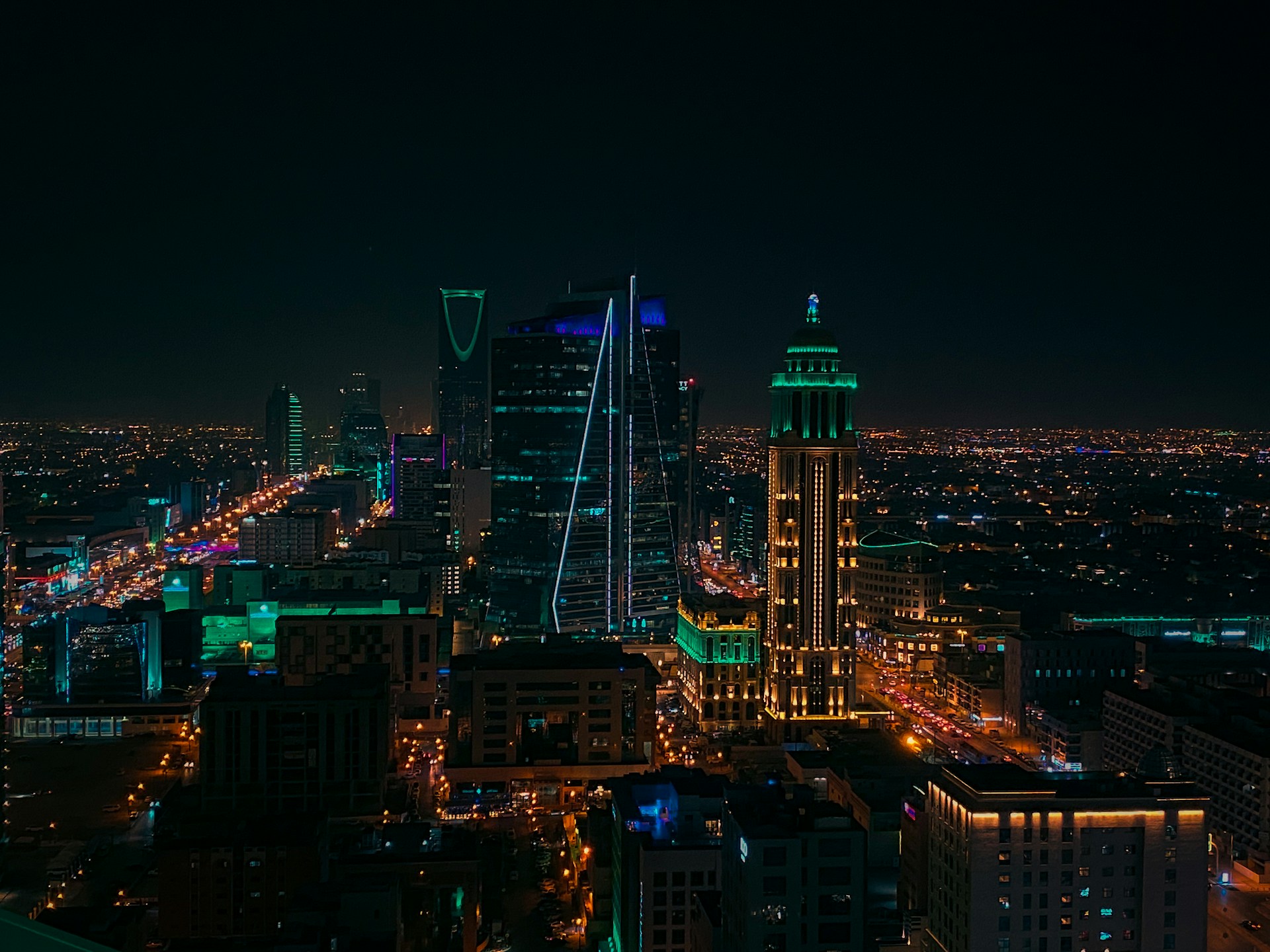
In every city, there are neighborhoods that are not just streets and buildings, but living memories that tell the story of the place and the dreams of its people. Al Malqa is one of those neighborhoods that has not only been shaped by asphalt and stone but also by daily details and the dreams of families searching for their forever home, as well as investors who saw opportunities in its soil.
In the heart of northern Riyadh, where modernity meets tranquility, Al Malqa stands as a testament to Riyadh’s transformation from a traditional city to a vibrant, modern capital. Al Malqa was not always a destination for those seeking luxury; it was once a quiet piece of land, breathing in the shadow of major roads. But like neighborhoods destined for greatness, its features changed over time, and today it has become one of the most sought-after areas for living and investment in the capital.
If you’ve ever passed through the streets of Al Malqa, you’ll notice that it’s not just a residential neighborhood but a modern urban canvas where luxurious villas, contemporary apartments, and upscale cafes paint the picture of a modern, integrated lifestyle. Here, where property values rise year after year, and where every square meter tells a story of increasing demand, you’ll find a neighborhood that combines the tranquility families desire, the vibrancy young people seek, and the investment opportunities investors love.
In this article, we’ll take you on a comprehensive journey through Al Malqa. We’ll map it out for you, talk about its entrances and exits, dive into the details of its cafes and restaurants, and reveal the secrets of its real estate market—all with a human touch that tells how Al Malqa has become not just a neighborhood, but a lifestyle.
In a rapidly expanding city like Riyadh, the geographical location of any neighborhood becomes its defining feature, determining its status and value. Al Malqa is no exception; it stands as a living example of how location is not just coordinates on a map but a key to understanding the future and value of a neighborhood, especially for those searching for apartments or villas for sale in Al Malqa.
Al Malqa is located in the heart of northern Riyadh, specifically between four main landmarks that define its geographical boundaries. This location is often questioned when comparing Al Malqa to neighboring areas: Is Al Malqa upscale compared to nearby neighborhoods? The answer lies in the details:
At a glance, you’ll realize that Al Malqa enjoys a rare strategic location, connecting major highways, upscale neighborhoods, and large commercial projects. It’s no wonder that many ask: How many exits does Al Malqa have? Access to the neighborhood is incredibly easy, making it a magnet for both living and investment, especially with the variety of options between apartments and luxurious villas.
If you’re a resident of Riyadh or a new visitor looking for easy access, Al Malqa offers several main gateways connecting it to the city’s vital arteries:
Exit 4: Directly connects the neighborhood to King Fahd Road and is one of the most popular exits for Al Malqa residents.
Exit 5: Quickly connects you to King Abdulaziz Road, leading to the heart of key projects.
Exit 1 and Exit 2: For those preferring access via King Khalid Road, offering speed and tranquility.
Anas bin Malik Street: The most important street that runs through the neighborhood, leading directly to Riyadh Front and Boulevard, where Al Malqa’s cafes and restaurants—some of the most famous destinations in the area—are located.
This perfect intertwining of main roads makes Al Malqa not just a beautiful neighborhood but an “easy-to-reach” one—a golden feature that means a lot to both residents and investors. Those looking to live here seek comfort in commuting, while investors know that proximity to vital roads means higher demand and more stable prices. By the way, the price per square meter in Al Malqa reflects this advantage, as it is among the highest in northern Riyadh, whether for apartments or villas.
When strategic location meets easy access, it’s not just a residential neighborhood but a long-term investment project. This is why Al Malqa’s real estate has seen a price surge in recent years, with prices continuing to rise thanks to these geographical factors that are hard to replicate. Notably, this surge includes all types of properties, from apartments for sale in Al Malqa to luxurious villas, alongside the flourishing entertainment services like cafes and restaurants, enhancing the neighborhood’s image as a complete destination for upscale living and secure investment.
When asking, Is Al Malqa upscale?, the answer doesn’t rely solely on its location but also on the details of life within it—from street designs to service levels and the identity of its residents. Al Malqa is strategically located in northern Riyadh, neighboring some of the most upscale areas in Riyadh such as Al Narjis, Al Yasmeen, and Hittin, with excellent connectivity to major roads, making it a preferred destination for those seeking apartments or villas for sale in Al Malqa.
Al Malqa was established with a modern urban vision, featuring wide streets and thoughtful planning, along with integrated services like schools, hospitals, and upscale markets. All of this is reflected in the price per square meter in Al Malqa, which is among the highest in northern Riyadh.
The neighborhood’s residents include established Saudi families, businessmen, investors, celebrities seeking privacy, and modern young families. All have chosen to live in Al Malqa, whether in apartments or luxurious villas.
The neighborhood is characterized by its upscale restaurants, modern cafes, and social spots that have become a sophisticated gathering place. This integration has made Al Malqa not just a neighborhood but a lifestyle, with its exits and entrances frequently searched by those looking for a location that combines living and investment.
With increasing demand and rising prices per square meter in Al Malqa, purchasing property here—whether apartments or villas—has become an investment in a location that grows in value day by day.
Every neighborhood in Riyadh has a story, but Al Malqa tells an exceptional tale of transformation from a quiet piece of land to a modern, upscale destination. Twenty years ago, Al Malqa was not a known name in the real estate market, and those searching for apartments or villas for sale in Al Malqa didn’t pay much attention to it. Today, however, it is one of the most important residential and investment destinations in the northern part of the capital.
With Riyadh’s expansion northward and the emergence of massive projects like Riyadh Front and Boulevard, Al Malqa has become a real estate hotspot. Gradually, upscale cafes and restaurants spread throughout the area, completing the picture of a modern neighborhood.
Today, the neighborhood is distinguished by its strategic location, proximity to key entrances like King Fahd Road and King Khalid Road, and its connection to major projects west of the city. This has made it a preferred destination for families and investors alike. With a variety of options between apartments for sale and luxurious residential and commercial projects, Al Malqa has become a symbol of luxury and secure investment, supported by a network of cafes and services that rival the finest neighborhoods in the capital.
In Al Malqa, cafes are no longer just places to serve coffee; they have become part of the neighborhood’s identity and a key reason for its residential and investment appeal. On the Al Malqa map today, you’ll find cafes spread across every corner, reflecting the upscale lifestyle sought by residents when choosing apartments or villas for sale in Al Malqa.
From XR Coffee and Black Horse to Social House and Noir Cafe, upscale cafes have become one of the neighborhood’s defining features, raising the price per square meter in Al Malqa and increasing demand for apartments for sale.
Modern families and young people seek to live near Al Malqa’s cafes and restaurants, making proximity to these destinations a competitive real estate advantage. In fact, being close to the most famous cafes in Al Malqa has become a selling point when listing properties for sale or rent.
In the end, coffee in Al Malqa is not just a daily habit but a symbol of a modern lifestyle that enhances the value of living and increases the appeal of investing in this neighborhood, which everyone asks about: How many exits does Al Malqa have?—searching for a luxurious home amidst the small details that make all the difference.
In Al Malqa, restaurants are no longer just places to eat; they have become part of the neighborhood’s identity and an indicator of its level of sophistication. The presence of international and upscale restaurants reflects the diversity of residents, from Saudi families seeking privacy to modern young families who prefer a contemporary lifestyle. This answers the recurring question: Is Al Malqa upscale?—through the daily details, starting with its restaurants.
Al Malqa’s restaurants combine modern Saudi cuisine, international flavors, and upscale dining with elegant designs, enhancing the neighborhood’s status and attracting those searching for apartments or villas for sale in Al Malqa.
The presence of upscale restaurants and cafes in Al Malqa enhances the price per square meter and attracts buyers searching for apartments for sale, especially since proximity to restaurants and cafes has become a marketing advantage in itself.
Thanks to the neighborhood’s location and easy access via its exits, Al Malqa has become a complete investment destination, attracting global brands and reflecting a promising real estate future that combines living and investment.
In Al Malqa, cafes are no longer just places to serve drinks; they have become part of the neighborhood’s identity and the lifestyle of its residents. This is why some ask: Is Al Malqa upscale? The answer lies in its daily details, from elegant cafes to modern coffee shops, all of which are clear landmarks on the Al Malqa map.
What distinguishes Al Malqa’s cafes is that they reflect the diversity of the neighborhood’s residents, from quiet morning spots for work and study to family-friendly evening cafes that bring friends and families together in sophisticated gatherings. These cafes, with their unique views, attract those searching for apartments or villas for sale near these vibrant locations.
The presence of cafes like Kind Cafe, More Cafe, and Hamat Qamel near properties has become a competitive advantage, increasing demand for apartments for sale, much like Al Malqa’s restaurants. These details, combined with easy access via the neighborhood’s exits, raise the price per square meter and confirm Al Malqa’s status as an upscale destination that combines modern living with luxurious services.
In the world of real estate, numbers are not just numbers; they reflect a history of development and demand. This is exactly what is seen in Al Malqa, which has transformed from a semi-raw piece of land into one of the most expensive living and investment destinations in the capital. Today, the price per square meter in Al Malqa is an indicator that reflects the neighborhood’s sophistication and status.
Over the past few years, land, apartment, and villa prices have jumped significantly. Residential land ranges between 4,000 and 6,500 SAR, while commercial land on main streets like Anas bin Malik can reach 10,000 SAR or more. Luxurious villas start at 4,500 SAR per square meter, while apartment prices range between 3,500 and 4,800 SAR, depending on location and design.
This rise is not random but due to the golden location and easy access via Al Malqa’s exits, in addition to its upscale urban planning and proximity to major projects like Riyadh Front. The spread of cafes and restaurants also enhances the quality of life, increasing demand for apartments and villas for sale.
Today, the price per square meter in Al Malqa has become a benchmark for measuring the real estate market in northern Riyadh, where the neighborhood combines luxurious living with integrated services, remaining a secure investment destination with guaranteed growth.
If you want to understand the pulse of Riyadh’s real estate market, just take a look at the listings for apartments for sale in Al Malqa. They are not just residential units but a reflection of a modern, integrated lifestyle in a neighborhood that combines a golden location, sophistication, and complete services. All of this enhances Al Malqa’s status on the map as a preferred destination for living and investment.
Thanks to its location and services, apartments for sale in Al Malqa have maintained relatively high prices, with prices starting at 750,000 SAR and reaching up to 1,800,000 SAR for larger units and duplexes. This reflects the high demand and the continuous rise in the price per square meter in Al Malqa.
Owning an apartment in Al Malqa means living in a neighborhood close to its famous restaurants and cafes, with modern infrastructure and easy access via main exits. This raises the recurring question: How many exits does Al Malqa have?
Whether for living or investment, apartments for sale in Al Malqa offer a golden opportunity in a neighborhood with increasing real estate value and constant demand, making it one of the smartest investments in northern Riyadh.
Explore More: Apartments for sale in Riyadh
In Al Malqa, villas are no longer just family homes; they have become a symbol of sophistication and a strong investment asset. Villas for sale in Al Malqa combine modern or classic designs with a golden location, making them the top choice for upscale families and investors seeking long-term returns.
These high prices reflect the neighborhood’s status, as the question Is Al Malqa upscale? is clearly answered by its luxurious projects, cafes, and restaurants.
The constant demand for villas for sale in Al Malqa comes from executives and upscale families. With the rising price per square meter, villas remain a secure investment that grows in value over time, especially given the neighborhood’s proximity to Riyadh Front and easy access via its exits from major roads.
In the end, owning a villa in Al Malqa is not just about living; it’s about participating in a promising real estate future that combines luxury and guaranteed investment returns.
In a city as large as Riyadh, it’s difficult to find a neighborhood that combines residential tranquility with modern, integrated living. However, Al Malqa has achieved this balance, making it an ideal destination for those seeking to live or invest, whether in apartments or villas for sale.
Al Malqa is located between King Fahd Road and King Khalid Road, with direct access to Riyadh Front, Boulevard, and King Khalid Airport. This makes its location one of its strongest attractions, explaining the recurring question: How many exits does Al Malqa have?
Al Malqa is characterized by its wide streets, a balanced mix of residential and commercial areas, green spaces, and upscale services, including international schools, hospitals, and sports centers. This enhances the value of villas and apartments for sale in Al Malqa.
The spread of cafes and restaurants in Al Malqa has become part of the modern lifestyle and an additional attraction for residents and investors seeking a complete lifestyle.
With the rising price per square meter in Al Malqa year after year and the constant demand for apartments and villas for sale, the neighborhood has become a perfect model of a modern residential area that combines stability and continuous development.
In a fast-growing city like Riyadh, some neighborhoods become landmarks that combine luxurious living and smart investment. This is exactly what has happened with Al Malqa, which has transcended geography to become synonymous with a golden location and modern planning, amid unrelenting investment demand.
Here, you don’t just buy property; you buy a future that combines comfort, proximity to major projects, and the most beautiful cafes and restaurants—all in a neighborhood that confidently answers the question: Is Al Malqa upscale?
All indicators confirm that Al Malqa is in a phase of continuous growth, supported by new road projects, commercial and entertainment services, and the increasing value of apartments and villas for sale. With major developers continuing to focus on the neighborhood, the price per square meter in Al Malqa remains one of the most important market indicators in the northern part of the capital
March 2, 2025
When searching for the cheapest neighborhoods in North Riyadh for living or investment, many face the challenge of finding the right area that balances affordability, location, and amenities. Some seek areas with reasonable prices and well-developed infrastructure, while others prefer investing in up-and-coming neighborhoods with growth potential. In this article, we’ll explore the best options available and guide you on how to make the right decision based on your needs and budget.
✅ Discover the most affordable neighborhoods in North Riyadh that offer great value for money.
✅ Avoid the worst neighborhoods in Riyadh that may lack proper infrastructure or services.
✅ Learn how to choose the right neighborhood based on key factors for living or investment.
✅ Find out how to secure the cheapest neighborhoods in Riyadh for rent at competitive prices.
When discussing the cheapest neighborhoods in North Riyadh, we refer to areas that offer affordable prices compared to other northern districts while maintaining a good standard of services and infrastructure. These neighborhoods provide excellent options for families, individuals, and investors alike.
Before choosing one of the cheapest neighborhoods in North Riyadh, it’s essential to understand the factors that influence prices:
Living in North Riyadh is a popular choice for many families and investors due to several factors:
If you’re looking for affordable neighborhoods in North Riyadh that balance price and quality, here are some top options:
Al-Arid is one of the newest residential areas experiencing significant development. It boasts a strategic location near major roads like King Salman Road and Abu Bakr Al-Siddiq Road. The neighborhood offers essential services such as schools, shopping centers, and public parks, making it an ideal choice for those seeking affordable living without compromising quality.
Al-Narjis is a promising neighborhood in North Riyadh, combining affordability with excellent urban planning. It features modern residential projects, offering a variety of apartments and villas. Its proximity to Princess Nourah University, the airport, and recreational facilities makes it a great option for budget-conscious residents.
Al-Malqa is known for providing a good standard of living at reasonable prices compared to neighboring areas. It has an excellent road network connecting it to various parts of Riyadh, along with schools, hospitals, and commercial markets. This neighborhood is perfect for families seeking stability in a quiet and developed environment.
Al-Yasmin is a modern residential area that combines elegance with affordability. It features wide streets, public parks, and diverse services that meet residents' daily needs. This neighborhood is an attractive option for those looking for affordable housing in North Riyadh without sacrificing comfort or quality.
Al-Qirwan is an emerging neighborhood attracting residents due to its proximity to King Fahd Road and affordable housing projects. It also offers easy access to essential services, making it an ideal choice for those seeking budget-friendly living with a well-rounded community.
Despite being among the cheapest neighborhoods in North Riyadh, these areas offer a high standard of living with modern infrastructure, essential services like schools and hospitals, and green spaces. Their proximity to main roads also ensures easy access to other parts of Riyadh, making them perfect for families and individuals seeking affordable yet quality housing.
If you’re looking for affordable rental options, follow these tips:
Despite Riyadh’s rapid growth, some neighborhoods face challenges that make them less attractive for living or investment. These areas often lack proper infrastructure or services, making them less desirable for some residents.
An older neighborhood in need of infrastructure upgrades, Al-Suwaidi suffers from high population density and traffic congestion. However, it has a strategic location near essential facilities.
This area struggles with road quality and public services, requiring development projects to improve living standards. It’s known for its local markets and commercial services.
Al-Shifa experiences heavy traffic and population density, putting pressure on its facilities. However, it’s gradually improving in some areas.
This neighborhood needs more infrastructure projects to enhance service quality. It offers competitive property prices, making it an option for some buyers.
Despite its central location, Al-Naseem suffers from overcrowding, affecting service quality. Efforts are underway to improve infrastructure and public facilities.
Check Services: Ensure the availability of schools, hospitals, and main roads for easy access to other parts of the city.
When searching for the right neighborhood in North Riyadh, partnering with real estate experts can simplify your decision-making process. Mada Properties offers specialized consultations and diverse options to meet your needs, whether you’re looking for a comfortable family home or a lucrative investment opportunity.
With extensive market experience, Mada Properties helps you choose the ideal location based on factors like infrastructure, available services, and demand levels. Whether you’re interested in emerging neighborhoods like Al-Arid and Al-Qirwan or more developed areas like Al-Narjis and Al-Malqa, Mada Properties ensures a seamless experience tailored to your budget and goals.
Choosing the right neighborhood for living or investment requires thorough research and comparison. The cheapest neighborhoods in North Riyadh offer excellent opportunities to secure affordable properties without compromising quality of life. However, it’s essential to avoid the worst neighborhoods in Riyadh that may not meet the needs of families or investors.
If you’re searching for the cheapest neighborhoods in Riyadh for rent, rely on trusted real estate websites and expert consultations to secure the best deals.
Some great options include Al-Arid, Al-Narjis, Al-Yasmin, Al-Qirwan, and Al-Malqa.
Use trusted real estate websites, consult agents, and visit neighborhoods to compare prices.
Location, infrastructure, available services, and supply and demand play key roles.
Yes, many of these areas are continuously developing, making them excellent long-term investment opportunities.
Avoid areas with poor infrastructure, limited facilities, and heavy traffic congestion.
February 27, 2025
If you're looking for a neighborhood that combines tranquility and modernity in Riyadh, Al-Arid District might be your ideal choice. This district is one of the most distinguished areas in Riyadh, attracting families and investors alike due to its strategic location and integrated services. But where exactly is Al-Arid District located in Riyadh? And does it meet your residential or investment needs? In this article, we’ll cover everything you need to know about the district, from its location and reputation as an upscale neighborhood to the exceptional real estate opportunities, such as villas for sale in Al-Arid District, Riyadh.
Al-Arid District has witnessed significant urban development in recent years. Numerous residential and commercial projects have been established, contributing to the enhancement of services and facilities within the area. As a result of this rapid development, Al-Arid District has become one of the most sought-after destinations in Riyadh's real estate market, both for residential and investment purposes.
The location of Al-Arid District is one of its strongest selling points. It is close to major highways such as King Khalid Road and Prince Turki bin Abdulaziz Al Awwal Road, providing easy access to other districts and vital facilities. Thanks to this strategic location, residents can quickly reach business centers, educational institutions, and other key areas.
The district’s location is a major factor attracting residents. So, where is Al-Arid District located in Riyadh? It is situated in the northwestern part of the capital, near King Khalid Road and Prince Turki bin Abdulaziz Al Awwal Road, ensuring easy access to important areas such as Al-Nakheel and the Financial District. The district is also close to:
The location of Al-Arid District allows for easy access to major universities, such as Princess Nourah University, making it a preferred destination for students and professionals. This is why many people ask, “Where is Al-Arid District in Riyadh?” when searching for a neighborhood close to educational institutions and commercial centers.
The district’s importance isn’t limited to its proximity to academic and economic centers; it also extends to social and cultural aspects. Al-Arid District offers residents quick access to shopping malls, upscale restaurants, art galleries, and modern cafes spread across northern Riyadh. Therefore, when searching for comfort, many people inquire about where Al-Arid District is located in Riyadh to ensure they are in a refined and comfortable environment.
Residents of Al-Arid District benefit from easy commuting due to its connection to major road networks. If you’re wondering, “Which exit is Al-Arid District in Riyadh?” the closest exits are Exit 10 and Exit 11 on King Khalid Road. This strategic location makes the district an ideal choice for families and professionals alike.
To reach the district easily, here are the main nearby exits:
This location makes Al-Arid District a prime destination for those working in the commercial areas of northern Riyadh. Additionally, the district provides quick access to major highways, reducing commute times.
Observers note that traffic in and around Al-Arid District is relatively smooth compared to other congested neighborhoods. Thanks to this well-planned urban design, many people ask, “Which exit is Al-Arid District in Riyadh?” to ensure easy access.
With the development of infrastructure, it has become easier to find public transportation options in Al-Arid District. Thus, the question of “Which exit is Al-Arid District in Riyadh?” helps determine the most convenient and safe routes for commuting between nearby neighborhoods.
When comparing Riyadh’s neighborhoods, the common question, “Is Al-Arid District upscale?” often arises among those seeking luxurious housing. The district is known for its organized streets and modern designs, making it one of the most upscale areas in Riyadh. Therefore, the answer to “Is Al-Arid District upscale?” is a resounding yes, given the availability of high-quality services and facilities:
The district also includes international schools and private hospitals, making it an ideal choice for families. Additionally, it has a reputation for being one of the quietest and safest neighborhoods in Riyadh.
Al-Arid District boasts numerous commercial centers, schools, and private hospitals, adding to its upscale appeal. This is why the question, “Is Al-Arid District upscale?” is frequently asked by those looking for a well-rounded neighborhood that meets all family needs.
Safety is one of the standout features of Al-Arid District, reinforcing the question, “Is Al-Arid District upscale?” among those seeking secure and family-friendly neighborhoods.
The demand for villas for sale in Al-Arid District, Riyadh, is increasing due to their high investment value, making them an excellent choice for buyers and investors.
Al-Arid District enjoys advanced infrastructure and integrated facilities, including:
The district is home to some of the best international schools, making it an ideal choice for families seeking high-quality education for their children. These include:
After answering “Where is Al-Arid District in Riyadh?” and “Is Al-Arid District upscale?”, here’s a summary of what makes it stand out:
If you’re considering real estate investment, Al-Arid District is an excellent choice. The area is experiencing continuous growth in demand for properties, ensuring good investment returns. Additionally, the availability of villas for sale in Al-Arid District, Riyadh, at reasonable prices makes it an unbeatable opportunity.
Al-Arid District is located in the northwestern part of Riyadh, near King Abdullah Financial District and King Khalid Road.
You can reach the district via Exit 10 and Exit 11 on King Khalid Road, making it easy to commute to and from the area.
Yes, Al-Arid District is considered one of Riyadh’s most upscale neighborhoods, featuring modern designs and advanced facilities.
Villa prices in Al-Arid District start from 2.5 million SAR and go up to 4 million SAR, depending on location and size.
Yes, investing in Al-Arid District is a smart choice due to the consistently high demand for residential and investment properties.
In conclusion, whether you’re looking for a family home or an investment opportunity, Al-Arid District in Riyadh is worth exploring. With its strategic location, integrated services, and upscale reputation, it stands out as one of the best neighborhoods in the capital. Share your thoughts: Have you visited it before? Or contact us to learn more about villas for sale in Al-Arid District, Riyadh!
February 25, 2025
With the approach of the holy month of Ramadan in the year 1446 AH, corresponding to 2025, government and private entities in the Kingdom of Saudi Arabia begin announcing adjustments to working hours to align with the nature of this blessed month. These adjustments aim to strike a balance between work requirements and employees' needs for worship and rest during the fasting month. In this article, we will review the details of working hours across various sectors, including government, private, banking, and schools, along with tips for a smooth work experience during Ramadan.
Typically, working hours in the government sector are reduced during Ramadan to provide a suitable environment for employees to perform worship and prepare for Iftar with their families. Based on previous decisions, the official working hours are expected to be as follows:
Some government entities may adopt a flexible work system, allowing employees to choose working hours that suit them within the specified timeframe. Additionally, remote work may be implemented for certain roles that allow it, while ensuring at least 50% of employees are present in the workplace.
Working hours in the private sector differ from the government sector, as they depend on the nature of each organization's business. However, regulations require reduced working hours for Muslim employees during Ramadan:
The Saudi Central Bank (SAMA) has announced the working hours for banks during Ramadan, which are typically as follows:
With technological advancements, customers can conduct most banking transactions electronically through official apps and websites, reducing the need to visit branches during working hours.
The Ministry of Education has decided to adjust school timings during Ramadan to ease the burden on students and teachers:
This adjustment aims to provide students with sufficient time for worship and rest while maintaining the quality of the educational process.
To ensure a comfortable and efficient work experience during Ramadan, employees are advised to follow these guidelines:
The adjustments to working hours during Ramadan reflect the Saudi government's commitment to providing a suitable work environment for employees, enabling them to balance work and worship. These adjustments help:
As the holy month approaches, employees are advised to start planning in advance to organize their work and worship schedules. This can be achieved by:
Conclusion
The adjustment of working hours during Ramadan reflects the Kingdom of Saudi Arabia's dedication to providing a flexible and suitable work environment for all employees during this holy month. Whether you work in the government or private sector, or are a student, these adjustments aim to help you achieve a balance between work and worship, making Ramadan 1446 AH a unique and comfortable experience for everyone.
Working hours in the government sector start at 10:00 AM and end at 3:00 PM or 4:00 PM, with 5 to 6 working hours per day.
Working hours in the private sector are reduced to 6 hours per day or 36 hours per week for Muslim employees.
Banks operate from 10:00 AM to 4:00 PM, while money transfer centers operate from 9:30 AM to 5:30 PM.
Yes, some government and private entities allow flexible or remote work, especially for roles that permit it.
Morning schools operate from 9:00 AM to 12:30 PM, while evening schools start at 1:00 PM.
Adjustments are typically applied to Muslim employees, but policies may vary by organization.
Yes, official working hours are announced by relevant authorities such as the Ministry of Human Resources and the Saudi Central Bank.

February 25, 2025
A lease agreement is a legal contract between a landlord and a tenant that outlines the rights and obligations of both parties during the lease term. However, circumstances may arise that lead either the tenant or the landlord to consider terminating the lease before its end date. This raises the question: Is it permissible to terminate a lease agreement before its end date? What are the conditions for terminating a lease agreement? What are the penalties for early termination by the tenant?
In this article, we will discuss in detail the issue of terminating a lease agreement before its end date, clarify the conditions for terminating a lease agreement, explore cases of termination due to harm, and examine whether a lease can be terminated unilaterally. Additionally, we will discuss the penalties for early termination by the tenant and compensation for lease termination.
Lease termination refers to ending the lease agreement before its agreed-upon end date. This termination can be initiated by either the tenant or the landlord, but it must be justified according to local laws.
In some cases, termination is allowed if specific conditions are met, such as harm or exceptional circumstances.
It is also essential to understand the difference between legal termination of a lease and termination that may result in penalties or financial compensation.
Some laws allow tenants to terminate a lease without penalties if the property is deemed uninhabitable, falling under the category of termination due to harm. However, some lease agreements include penalty clauses that make termination more complicated, requiring careful review of all terms before making a decision.
Yes, in some cases, a lease can be terminated unilaterally, but this requires compelling reasons.
For example, if there is termination due to harm, such as defects in the property that affect the tenant's safety, the tenant may terminate the lease without significant liability.
However, unilateral termination can lead to legal disputes, especially if it is not agreed upon in advance.
In many cases, local laws require providing prior notice to the other party; otherwise, the terminating party may be held liable for compensation.
Additionally, if the landlord wishes to terminate the lease, they may be required to compensate the tenant in some cases, such as covering relocation costs or the difference in rental value when leasing another property.
When a tenant decides to terminate the lease before its end date, they may be required to pay a penalty for early termination.
This penalty compensates the landlord for potential losses due to the early termination.
For example, if the lease is for one year and is terminated after six months, the landlord may request compensation for the remaining six months.
In certain cases, termination is allowed without significant penalties, especially in cases of termination due to harm. Harm refers to any circumstances that make living in the property unsafe or uncomfortable.
In such cases, the tenant can request lease termination by providing evidence of harm and may not be required to pay a penalty for early termination.
According to modern laws, there are specific conditions for terminating a lease agreement that must be followed to ensure a fair termination process.
Failure to comply with these conditions may result in the tenant being required to pay a penalty for early termination.
In some cases, the landlord may request compensation for lease termination, especially if the termination affects their income or causes financial losses.
If you are considering terminating a lease as a tenant, here are some tips:
Conclusion
Terminating a lease agreement before its end date is possible in certain cases, such as harm or exceptional circumstances. However, it is essential to comply with the conditions for terminating a lease agreement and avoid paying a penalty for early termination whenever possible. If you are considering terminating a lease as a tenant, ensure you understand local laws and consult a legal expert to avoid disputes.
No, prior notice is required except in emergency cases such as severe harm.
Termination occurs due to a breach by one party, while expiration happens when the agreed lease term ends.
Look for a replacement tenant or negotiate with the landlord for a reduced penalty.
February 22, 2025
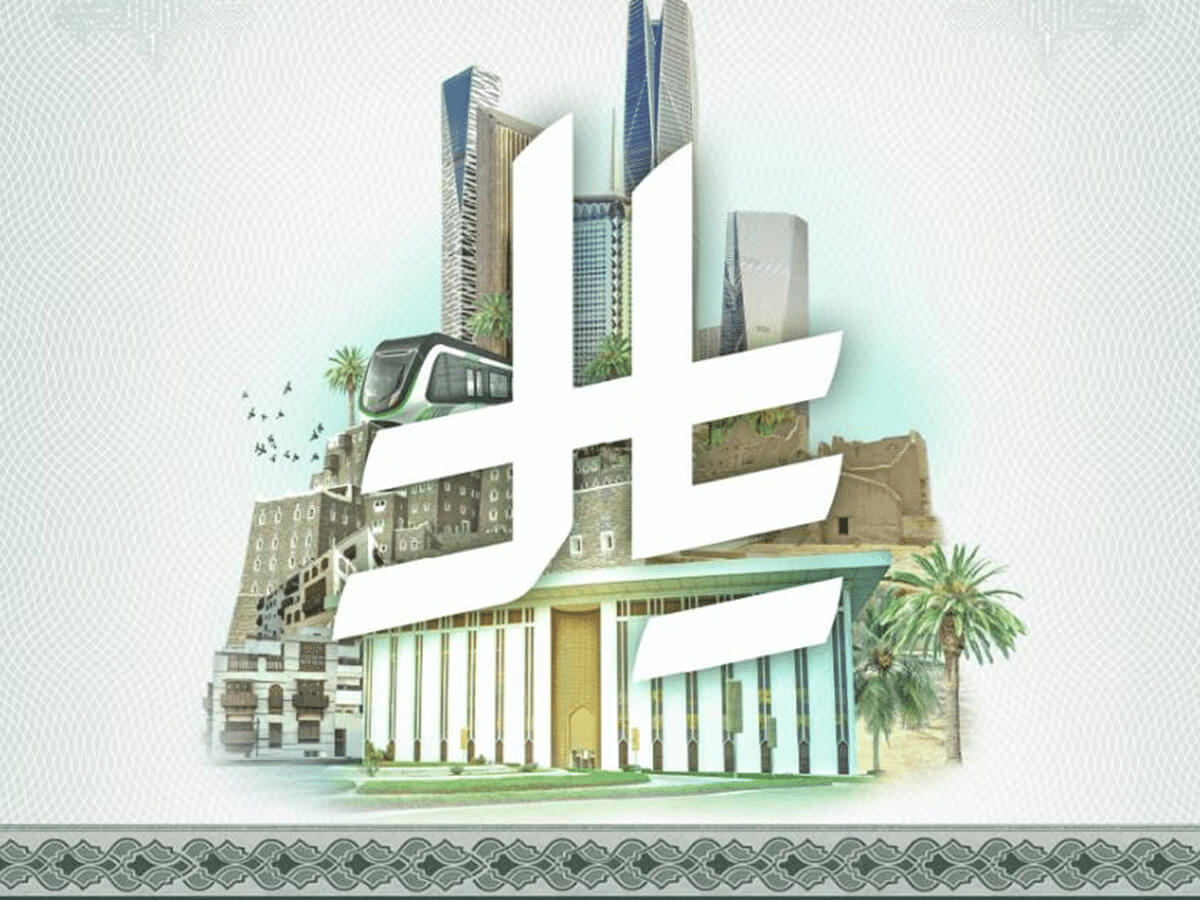
In a historic move aimed at strengthening national and economic identity, the Custodian of the Two Holy Mosques, King Salman bin Abdulaziz Al Saud, has approved a new symbol for the Saudi Riyal. This decision is part of the Kingdom's efforts to solidify its position as one of the world's leading economies and to support Vision 2030, which seeks to transform Saudi Arabia into a global financial, tourism, and sports hub.
The new Saudi Riyal symbol has been designed with the highest technical standards, embodying the Kingdom's rich culture and heritage. The symbol features the national currency's name, "Riyal," in a design inspired by Arabic calligraphy, reflecting the Kingdom's independent Arab identity. This design is not just a financial symbol but an expression of Saudi Arabia's history and culture, which has remained untouched by colonialism, reinforcing its status as an Arab nation with a strong history and economy.
The Governor of the Saudi Central Bank (SAMA), Ayman Al-Sayari, emphasized that the adoption of the Saudi Riyal symbol will enhance the Kingdom's financial identity at the local, regional, and international levels. The symbol will be gradually implemented in financial transactions, commercial dealings, and various applications, in coordination with the relevant official authorities. This step aims to boost confidence in the Saudi Riyal and highlight its standing among global currencies, especially given the Kingdom's membership in the G20.
Currency symbols are not merely financial markers; they represent the economic and cultural identity of nations. For instance, the dollar ($) and euro (€) symbols carry significant historical and economic weight. Similarly, the new Saudi Riyal symbol will elevate the status of the Saudi currency in global markets, facilitate international trade, and strengthen confidence in the Riyal as part of global reserves.
The new currency symbol reflects the strength of the Saudi economy and the robustness of its monetary system. According to the Purchasing Power Parity (PPP) theory, the visual identity of a currency significantly impacts confidence in it, thereby enhancing its purchasing power and global presence. The new Saudi Riyal symbol, with its easy recognition and connection to the Arabic language, will bolster the confidence of investors and international stakeholders in the Saudi currency.
The adoption of the Saudi Riyal symbol aligns with the ongoing efforts to achieve the goals of Vision 2030, which aims to develop the financial sector and promote comprehensive and sustainable economic growth. The new symbol is not only an expression of national identity but also a tool to enhance the Kingdom's position as one of the world's major economies.
The Governor of the Saudi Central Bank praised the dedicated efforts that contributed to this achievement, expressing gratitude to all entities involved in the project, including the Ministry of Culture, the Ministry of Media, and the Saudi Standards, Metrology, and Quality Organization. These collaborative efforts reflect the Kingdom's commitment to strengthening its national identity and its leading role in the global economy.
The adoption of a new symbol for the Saudi Riyal marks a significant milestone in the Kingdom's journey to enhance its national and economic identity. The new symbol is not just a financial marker but a representation of Saudi Arabia's culture, heritage, economic strength, and global confidence. As the Kingdom continues to achieve the goals of Vision 2030, the Saudi Riyal symbol will stand as a testament to its position as one of the world's leading economies.
February 19, 2025
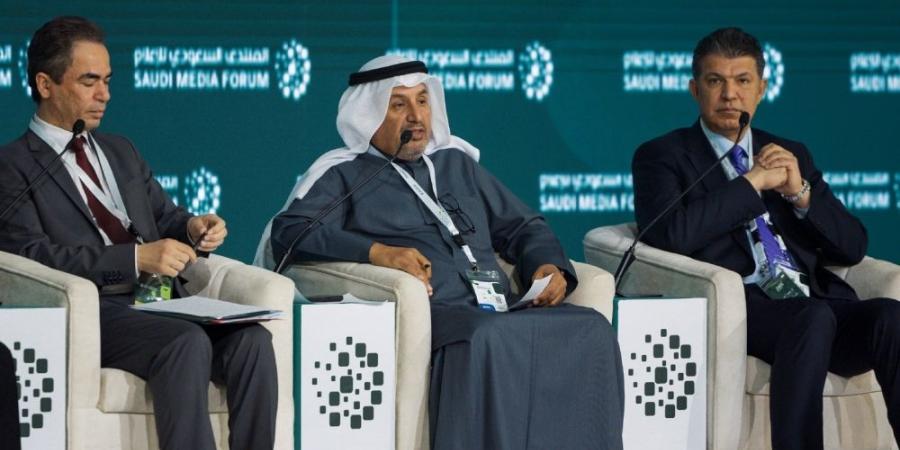
On Wednesday, February 19, 2025, the fourth edition of the Saudi Media Forum kicked off under the slogan "Media in a Shaping World," held at the Hilton Granada Hotel in Riyadh. Attended by Minister of Media Salman Al-Dosari, Minister of Energy Prince Abdulaziz bin Salman, former British Prime Minister Boris Johnson, and a number of local and international officials, the forum stands as one of the most prominent global media events, bringing together over 200 speakers, including experts, media professionals, and decision-makers.
The forum aims to outline the future of media, with Minister of Media Salman Al-Dosari emphasizing that Saudi Arabia has become a remarkable success story in the 21st century, thanks to its media that leverages future tools and aspires to achieve global impact. He noted that in 2024 alone, the Kingdom hosted more than 15,625 events with over 42 million visitors, solidifying its position as a global hub
The Saudi Media Forum 2025 is part of the Kingdom’s aspirations to realize the Year of Impact, with the media sector working to create 150,000 jobs by 2030, becoming a incubator for talent and a catalyst for innovation. Among the priorities set are the development of a non-profit media strategy, the enhancement of social responsibility, the launch of an international conference on the future of news, and the digitization of the historical archive of the Saudi Press Agency (SPA).
The Saudi Media Forum 2025 addresses advanced topics such as artificial intelligence, journalistic robotics, virtual and augmented reality, and big data. It also highlights predictive journalism and interactive media, positioning the Kingdom as a global open laboratory for groundbreaking ideas. The accompanying "Future of Media Exhibition" (FOMEX) is one of the standout events, featuring over 250 global and local companies showcasing the latest innovations in media.
The forum announced the launch of a special award to honor outstanding media talents and institutions, featuring 15 different categories to foster competition among content creators. A new category was added in collaboration with the King Abdullah bin Abdulaziz International Centre for Interreligious and Intercultural Dialogue (KAICIID) to promote values of tolerance and understanding among cultures.
The Saudi Media Forum 2025 serves as a significant investment platform, discussing the untapped potential in the media sector and how to leverage modern technologies to boost the media economy. It also provides opportunities for startups to connect with major global companies and build strategic partnerships that support the digital transformation of the media industry.
Conclusion
The Saudi Media Forum 2025 is a global event that brings together local and international expertise, enhancing the Kingdom’s position as a regional and global hub for media production. By discussing the latest technological and investment developments, the forum offers a comprehensive vision for the future of media amidst rapid digital transformations, reflecting Saudi Arabia’s commitment to leading the future of media and achieving the ambitious Vision 2030.
February 13, 2025
The blessed month of Ramadan is a time of goodness and blessings, during which Muslims compete in acts of worship and draw closer to Allah through fasting and night prayers. In this article, we will explore everything you need to know about Ramadan 2025, the date of Eid al-Fitr 2025 in Saudi Arabia, the sighting of the Ramadan crescent in 2025, and many other matters related to this sacred month.
Ramadan 2025 is expected to begin on Saturday, March 1, 2025, or Sunday, March 2, 2025, depending on the sighting of the Ramadan crescent. The crescent will be observed on the evening of Friday, February 28, 2025, and the official announcement will be made by the Supreme Court of Saudi Arabia.
You can use online countdown tools to track the time remaining until the start of Ramadan 2025 in days, hours, and minutes. These tools help you prepare spiritually and physically for the arrival of the holy month.
The start of Ramadan depends on the sighting of the Ramadan crescent. In Saudi Arabia, special committees are formed to observe the crescent on the 29th of Sha'ban 1446, corresponding to February 28, 2025. If the crescent is sighted, Ramadan begins the next day; otherwise, Sha'ban completes 30 days.
Eid al-Fitr 2025 is expected to fall on Sunday, March 30, 2025, based on astronomical calculations. However, the final date depends on the sighting of the Shawwal crescent on the evening of the 29th of Ramadan 1446.
The Eid al-Fitr holiday in Saudi Arabia will be from March 30 to April 2, 2025, lasting four days. It is an official holiday for both the public and private sectors.
The Eid al-Fitr prayer takes place approximately 15-20 minutes after sunrise. Below are the prayer times in some Saudi cities:
Riyadh: 5:50 AM
Jeddah: 6:05 AM
Makkah: 6:00 AM
Madinah: 6:00 AM
Taraweeh Prayers: Held in mosques after Isha prayers.
Zakat al-Fitr: Given before the Eid prayer to assist the needy.
Exchanging Greetings: Such as "Eid Mubarak" and "May you be well every year."
Traditional Foods: Including Kabsa, Ma'amoul, and Eastern sweets.
Visiting Family and Friends: Distributing "Eidiya" (gifts) to children.
It is expected to begin on Saturday, March 1, 2025, or Sunday, March 2, 2025.
It is expected to be on Sunday, March 30, 2025.
It depends on the sighting of the Shawwal crescent on the evening of the 29th of Ramadan.
Four days, from March 30 to April 2, 2025.
Ramadan 2025 and Eid al-Fitr 2025 are significant religious occasions in Saudi Arabia, where Muslims gather for prayers and celebrations. We hope this article has provided you with all the information you need about the dates of Ramadan 2025, the Ramadan timetable for 2025, and the Ramadan crescent for 2025. Eid Mubarak!
February 11, 2025
The Line project is not just a traditional urban development idea; it is a bold vision to redefine how humans live in cities. Located in the heart of NEOM in northwestern Saudi Arabia, The Line offers a unique model for urban life. It is a car-free, street-free, and carbon-emission-free city that relies on sustainability and advanced technology to deliver a distinct urban experience.
This project aims to enhance human life by strengthening the relationship between the environment and daily living. Its intelligent design and cutting-edge technologies reflect Saudi Arabia's ambition to lead global urban transformation, making The Line a cornerstone of the Kingdom's Vision 2030. The cost of The Line project reflects the massive investment in building a futuristic city that combines innovation and sustainability.
The Line is located in the NEOM region and is part of Saudi Arabia's ambitious Vision 2030. Spanning 170 kilometers, the project aims to create a smart, sustainable city that meets the needs of the future.
The project is entirely free of cars and traditional streets, relying solely on renewable energy. Its infrastructure is built on artificial intelligence and advanced technology to provide tailored services that meet residents' needs with the highest efficiency.
The Line's design blends natural environments with modern architecture, offering a balanced ecosystem that facilitates living, working, and mobility in one place, promoting sustainability and innovation. The map of The Line project highlights its unique design, integrating nature and advanced engineering, making its location strategic and distinctive on the map of Saudi Arabia.
The Line is located in the NEOM region in northwestern Saudi Arabia, stretching 170 kilometers along the Red Sea coast. Its strategic location connects Asia, Europe, and Africa, making it a global hub for innovation and trade. The project is approximately 50 kilometers from Tabuk, ensuring easy access from nearby vital areas.
The map of The Line project reveals that the city is designed as an integrated linear structure, featuring multiple sectors such as residential areas, innovation centers, and commercial zones, creating a sustainable and interconnected city without the need for cars or traditional streets. The location of The Line in NEOM can be viewed on official sources, showcasing its smart, advanced infrastructure powered by renewable energy and artificial intelligence to ensure efficient and high-quality living.
The Line offers a unique experience compared to traditional cities, thanks to its standout features:
The Line is one of the largest urban projects globally, with an estimated cost of $500 billion, funded by Saudi Arabia's Public Investment Fund alongside local and international investments. This cost reflects the scale of urban and technological development aimed at creating a sustainable city powered entirely by renewable energy and artificial intelligence.
The investment includes building smart infrastructure, developing high-speed transportation systems, and creating an integrated urban environment that offers a unique living experience. Given the project's massive scale, it is being implemented in multiple phases, allowing for additional investments in the coming years to support Saudi Arabia's Vision 2030.
The Line is not just an urban project; it represents a significant boost to Saudi Arabia's economy and society through:
The Line project is being implemented in carefully planned phases to achieve its ambitious vision, aligned with Saudi Arabia's Vision 2030. It is divided into three main phases:
The project is being executed on a precise timeline to ensure its goals are met on schedule, establishing it as the sustainable city of the future in the heart of NEOM.
The Line reflects a non-traditional vision for city design, with innovative elements that redefine urban living standards:
Despite its grand ambitions, The Line faces several challenges, which are being addressed through the Kingdom's vision and modern technologies:
The Line, also known as the NEOM Line project, demonstrates Saudi Arabia's ability to turn challenges into opportunities, setting a new standard for global urban development.
Explore More: The Future of Real Estate in Saudi Arabia 2030
The Line is a pivotal element in achieving the goals of Saudi Arabia's Vision 2030, reflecting the Kingdom's ambitious aspirations through:
Mada Properties is one of the leading companies in marketing and real estate development in Saudi Arabia, offering integrated solutions to meet market needs. With extensive experience and a professional team, Mada focuses on delivering modern projects that align with clients' aspirations.
Explore More: properties for sale in Riyadh
Conclusion
The Line is not just a city; it is a revolutionary vision that redefines urban living. Its innovative design, reliance on technology, and commitment to sustainability make it a global model inspiring future cities.
The project represents a crucial step in achieving Saudi Arabia's Vision 2030 by boosting the economy, improving quality of life, and positioning the Kingdom as a leader in sustainable urban transformation. The cost of The Line reflects the investment in this transformation.
Moreover, the location of The Line on the map highlights its advanced vision and strategic positioning, making it a unique investment and cultural destination.
It is a futuristic city within NEOM in northwestern Saudi Arabia, featuring a sustainable, car-free, and street-free design powered entirely by clean energy.
It is located in the NEOM region in northwestern Saudi Arabia, along the Red Sea coast. The location of The Line on the map reflects its strategic importance.
Its car-free and street-free design, complete reliance on renewable energy, and AI-driven technologies to enhance quality of life.
Achieving environmental sustainability, building global smart cities, improving residents' quality of life, and supporting Vision 2030.
February 9, 2025
Riyadh, the capital of Saudi Arabia, is one of the fastest-growing cities in the region, witnessing remarkable urban and economic development. As the city expands, the demand for luxurious neighborhoods in Riyadh, characterized by modern planning, upscale services, and integrated facilities, continues to rise. Many residents and investors are seeking the finest neighborhoods in Riyadh, ranked for their elegance, comfort, and security.
In this article, we will explore Riyadh’s most upscale neighborhoods in detail, highlighting their features, locations, and available services. This guide will help you make the best decision, whether you’re looking for a place to live or a real estate investment opportunity.
Riyadh’s upscale neighborhoods represent the ideal choice for those seeking an exceptional standard of living. These areas stand out due to several factors that make them among the best:
Al Yasmin is one of the most sought-after neighborhoods in northern Riyadh, combining modernity and luxury.
Key Features:
Invest Now in Al Yasmin Office Villas in Al Yasmin District, with Prices Starting from SAR 661,000.
Al Sahafa is one of Riyadh’s most prestigious neighborhoods, increasing in value year after year. It is located north of King Fahd Road, close to the King Abdullah Financial District.
Key Features:
Invest Now in Apartments for Sale in Al Sahafa District, Riyadh:
Al Rabie is a distinguished neighborhood in northern Riyadh, offering a fully integrated residential environment.
Key Features:
Al Hittin is one of Riyadh’s most luxurious neighborhoods, highly sought after due to its unique location.
Key Features:
Al Narjis is an up-and-coming neighborhood in northern Riyadh, experiencing rapid urban development.
Key Features:
Invest in Villas for Sale in Al Narjis District:
Al Malqa is located between King Fahd Road and King Abdulaziz Road, making it one of Riyadh’s most upscale neighborhoods.
Key Features:
Al Aqiq is an ideal choice for those seeking a luxurious lifestyle in a fully integrated environment in northern Riyadh.
Key Features:
When searching for luxurious neighborhoods in Riyadh, consider the following factors:
Riyadh’s luxurious neighborhoods have witnessed significant urban development in recent years, becoming a magnet for investors and residents seeking a luxurious lifestyle.
Neighborhoods like Al Hittin, Al Malqa, Al Nakheel, and Al Aqiq are not only upscale residential destinations but also promising investment environments, thanks to their advanced infrastructure and modern real estate projects that meet high standards of luxury and quality.
Real estate investment in Riyadh’s upscale neighborhoods offers stability and high returns, making it an ideal choice for long-term investment opportunities.
Additionally, top northern Riyadh neighborhoods like Al Yasmin and Al Narjis are experiencing a noticeable increase in demand for residential units, reflecting the city’s continuous expansion and its appeal to social elites and local and international investors.
If you’re looking for a luxurious home in one of Riyadh’s upscale neighborhoods or seeking real estate investment opportunities, Mada Properties offers the best options at competitive prices.
With a team of experts, you can easily find the property that meets your needs. For more information, visit Mada Properties to discover the latest residential and investment projects in Riyadh’s finest neighborhoods.
Contact us today for a free consultation on the best real estate opportunities in Riyadh!
1- What are the top luxurious neighborhoods in Riyadh?
The best neighborhoods include Al Yasmin, Al Sahafa, Al Rabie, Al Hittin, Al Narjis, Al Malqa, and Al Aqiq.
2- What is the difference between northern and southern Riyadh neighborhoods?
Northern neighborhoods are more modern and luxurious, while southern areas are more affordable.
3- Is investing in Riyadh’s upscale neighborhoods profitable?
Yes, properties in these neighborhoods yield high investment returns over time.
4- How can I find a suitable home in a luxurious neighborhood?
Contact Mada Real Estate for the best offers and free consultations.
February 6, 2025
Transferring real estate ownership is not just a legal procedure; it is a critical step that ensures the legal and secure transfer of property rights. Whether you are a first-time buyer or an experienced investor, understanding the process of transferring property ownership in Saudi Arabia helps avoid potential issues and ensures a smooth transaction.
This article covers everything you need to know about real estate ownership transfer, starting from the conditions for transferring property ownership in Saudi Arabia to the actual steps required to complete the process.
Any property purchase or sale requires the transfer of ownership from the previous owner to the new owner. This process can be simple or complex depending on the type of property, the parties involved, and the applicable regulations. Understanding the conditions for transferring property ownership in advance saves time and avoids unexpected surprises.
For example, imagine someone purchasing a property without verifying the legal documents, only to later discover that the property is under a bank mortgage or involved in a legal dispute! Such mistakes can delay the process or even result in the complete loss of the property. Therefore, it is crucial to understand the conditions for transferring property ownership beforehand.
Official authorities in Saudi Arabia require a set of conditions to ensure the legality and safety of any real estate ownership transfer. These conditions include:
The property deed or title is the official document that proves the owner's right to the property. Without this document, the ownership transfer process cannot be completed.
It is essential to ensure that there are no legal restrictions on the property, such as mortgages or legal disputes, as these factors prevent ownership transfer until resolved.
The relevant authorities impose fees for property ownership transfers in Saudi Arabia, which must be paid through official channels to ensure the completion of the transaction.
Both the seller and the buyer must be Saudi citizens or foreign investors who meet the ownership conditions, and they must provide valid identification or residency documents.
The sale must be registered, and the contract must be documented through official platforms such as the "Najiz" portal under the Ministry of Justice to ensure legal recognition of the transaction.
Once the conditions for transferring property ownership in Saudi Arabia are met, the actual steps to complete the process include:
A sale contract is prepared, specifying the price, payment terms, and mutual obligations between the seller and the buyer. The contract must be clear and free from any ambiguous clauses that could lead to disputes later.
All legal documents, such as the title deed, building permits, and completion certificates, must be reviewed. It is advisable to consult a real estate lawyer or legal advisor to ensure the validity of the documents.
The transfer fees are calculated as a percentage of the property's value and are paid electronically through official payment systems, such as the "Etimad" platform.
The registration process is completed electronically through the "Najiz" portal. The seller submits a transfer request, the buyer approves it, and the Ministry of Justice officially documents the transaction.
After completing all steps, a new title deed is issued in the name of the new owner and registered with the relevant authorities, marking the successful completion of the transaction.
Real estate ownership transfers are not limited to traditional sales. They include various types, such as:
Transfer by Gift: When the property is transferred without compensation, such as between family members.
Transfer by Inheritance: Occurs after the death of the original owner according to Islamic inheritance laws.
Transfer by Installments: The contract is registered with the buyer's obligation to pay the remaining amount in installments.
Transfer Between Companies: In cases of company mergers or the sale of real estate assets.
When searching for a new property or a profitable real estate investment, dealing with a trusted entity is essential to ensure a smooth and secure property ownership transfer. Mada Properties offers comprehensive solutions to help you choose the right property and complete all property ownership transfer procedures in Saudi Arabia in accordance with approved regulations.
With deep expertise in the Saudi market, Mada Properties guarantees a seamless and transparent experience at every step, from finding the perfect property to officially registering it in your name.
Frequently Asked Questions About Property Ownership Transfer
1- How Long Does It Take to Transfer Property Ownership in Saudi Arabia?
Typically, the process can be completed within one to three days if all requirements are met through "Najiz."
2- Can Property Ownership Be Transferred Without a Title Deed?
No, the official property deed is required to complete the transfer legally.
3- What Are the Fees for Property Ownership Transfer in Saudi Arabia?
Fees vary depending on the type and value of the property, but they are usually a percentage of the sale price. Exact details can be found on the "Najiz" portal.
4- Can Ownership Be Transferred Between Relatives Without Fees?
In some cases, such as transfers between spouses or children, certain fees may be waived under specific conditions.
5- What Happens If the Property Has a Mortgage?
The mortgage must be settled or transferred to the new owner before completing the transfer process.
6- Can Someone Else Be Authorized to Complete the Ownership Transfer?
Yes, this can be done through an official power of attorney certified by the Ministry of Justice.
Conclusion: Ensure Proper Procedures for a Successful Transaction
Transferring real estate ownership is not just an administrative procedure; it is an investment step that must be carried out with care and precision. Adhering to the conditions for transferring property ownership and following the correct procedures ensures a smooth transfer without any legal or financial complications.
For the latest updates on property ownership transfer procedures in Saudi Arabia, you can visit the Saudi Ministry of Justice and take advantage of the available electronic services.
February 4, 2025
Apartment prices in Riyadh are among the most searched topics by residents and investors in Saudi Arabia, especially apartment prices in North Riyadh. As the capital and largest city in the Kingdom, Riyadh offers a wide range of real estate options to suit all budgets and preferences. In this article, we will discuss apartment prices in Riyadh in detail, focusing on apartment prices in North Riyadh and the most prominent residential projects offering apartments for sale that cater to the needs of individuals and families.
Apartment prices in Riyadh are influenced by several factors, including:
Apartment prices in North Riyadh are among the highest in the capital due to:
Apartment prices in Riyadh represent an excellent investment opportunity for those seeking long-term financial stability. With increasing demand for ownership apartments and rising prices, investors can achieve good rental returns while benefiting from future property value appreciation.
If you’re looking for apartments for sale in North Riyadh, there are numerous options to suit your needs, whether you’re searching for a small apartment or a large family unit.
Conclusion
Regardless of your budget or needs, Riyadh offers a wide range of options to meet all requirements. Apartment prices in Riyadh vary depending on the area and specifications, but with modern projects like "Saraya Al Narjis," "Marsiyah," and "Shams Al Riyadh," you’re sure to find something that suits you.
If you’re interested in learning more about apartment prices in North Riyadh or searching for apartments for sale in North Riyadh, you can contact real estate experts for free consultations.
Frequently Asked Questions (FAQ)
What are the main factors affecting apartment prices in Riyadh?
Key factors include location, apartment size, available amenities, and the developer’s reputation.
Do apartment prices in North Riyadh differ from other areas in Riyadh?
Yes, apartment prices in North Riyadh are often higher due to their prime location and advanced infrastructure.
What tips can help determine a budget when searching for an apartment in Riyadh?
Set a budget in advance and consider all associated costs like registration fees, insurance, and maintenance.
How can I verify a real estate developer’s reputation?
Check customer reviews, inspect their previous projects, and ensure they are accredited by relevant authorities like the Saudi Real Estate Authority.
What amenities should I look for when choosing an apartment in Riyadh?
Look for amenities like parking, 24/7 security, recreational areas, and gyms to enhance your living experience.