Blogs

February 3, 2025
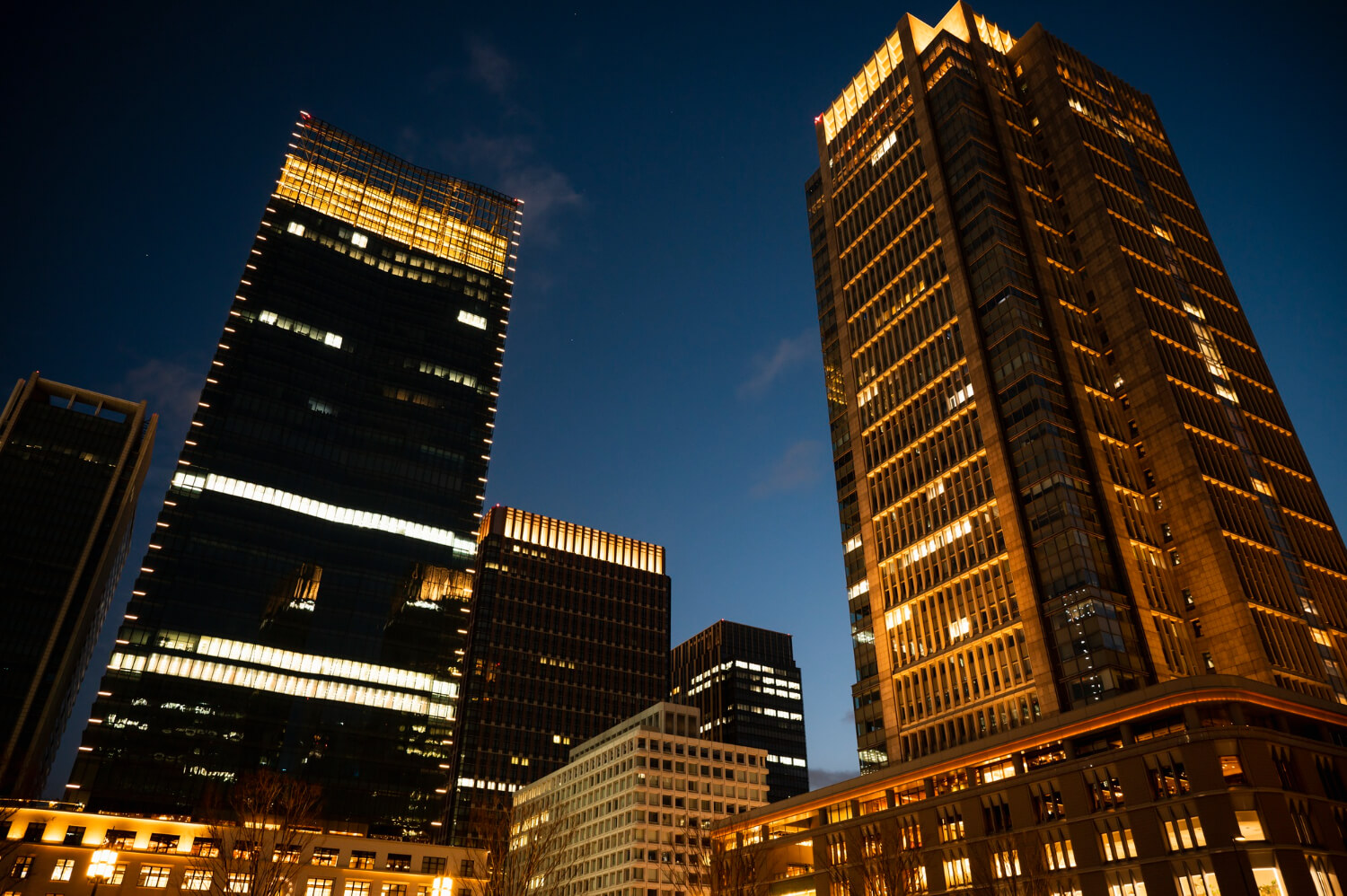
Al Sahafa District in Riyadh is a distinguished area that combines modernity with a strategic location. Situated in the northern part of the capital, it is renowned for its contemporary design and advanced infrastructure that caters to both residents and investors. The district offers all essential and recreational services, making it one of the most attractive neighborhoods for families and businesses alike.
What truly sets the Sahafa District apart is its unique blend of residential tranquility and commercial vibrancy. The area is home to prominent media headquarters, upscale commercial complexes, and lush green spaces that add a touch of beauty and comfort. It also features a variety of housing options, including Al Sahafa District apartments and villas in Sahafa District, making it an ideal place for those seeking a balance between work and social life in an integrated environment.
The geographical location of the Sahafa District makes it one of the most important neighborhoods in northern Riyadh. It is conveniently close to vital facilities and services that residents need on a daily basis. Its strategic location provides easy access via major roads such as King Fahd Road and Anas bin Malik Road, making it an excellent choice for those who value easy mobility within the capital.
The architectural style of the district is notably diverse. It includes villas for sale in the Al Sahafa District, suitable for families looking for spacious living, as well as Al Sahafa District apartments that meet the needs of individuals and small families. Additionally, the area boasts modern commercial complexes and administrative offices tailored for businesses.
The Sahafa District offers a wide range of services and facilities that cater to the needs of residents and visitors:
Education: The district includes schools for various age groups, making it a suitable choice for families.
Healthcare: It features hospitals and medical centers offering advanced healthcare services.
Shopping: The area provides diverse shopping options, from luxury boutiques to local markets.
Housing: Housing options include villas for sale in the Al Sahafa District for those who love luxury, as well as hotel apartments in Al Sahafa District for those seeking flexible and unique accommodations.
Entertainment: The district offers parks and green spaces for relaxation, along with recreational facilities suitable for all family members.
Thanks to these features, the district is an ideal place for investment and living, whether you are looking for villas for sale in Al Sahafa District or Al Sahafa District apartments to suit your housing needs.
The Al Sahafa District is a model of integration between economic and social aspects in Riyadh.
The presence of administrative offices and commercial complexes supports the local economy by creating job opportunities and boosting commercial activity in the area.
The population of the district represents a diverse mix of Saudi families and expatriates, giving the area a global character and contributing to the creation of a vibrant and diverse community.
The professional environment in the district fosters innovation, as major institutions and modern facilities provide opportunities for entrepreneurs and small businesses to succeed and grow.
The availability of Al Sahafa District apartments and hotel apartments in Al Sahafa District adds flexible options for residents and visitors seeking comfort and practicality.
The integrated services, including healthcare, education, and entertainment, make the district an ideal destination for living and working, where residents can easily find everything they need.
Sahafa District is one of the top choices for real estate investors, thanks to its prime location and comprehensive services.
Types of Real Estate: The district offers a variety of options to meet different needs, such as Sahafa Residence District apartments suitable for families, villas for sale in Sahafa Residence District for those who value privacy, and commercial offices tailored for businesses.
Real Estate Prices: Real estate prices in the district vary depending on the type and location of the property. However, the area is known for maintaining high property values, making it attractive to a wide range of investors.
Investment Opportunities: The continuous development and increasing demand for villas for sale in Sahafa Residence District and Sahafa District apartments provide investors with opportunities to benefit from a vibrant and sustainable real estate market.
Ideal Environment for Living and Working: The tranquility of the district and the availability of services make it an attractive choice for families and professionals, ensuring the stability of the real estate market and sustained demand.
The Sahafa Residence District hosts several distinguished projects that reflect its development and meet the needs of residents and businesses:
Ivory Tower: A prominent landmark featuring residential and commercial units with a modern design. It offers a wide range of comprehensive services, such as 24/7 security, private parking, and spaces suitable for various businesses. Its proximity to major roads enhances accessibility.
Majestic Tower: Combines luxurious living with commercial spaces, offering stunning views and distinctive architectural design. The tower includes modern facilities such as gyms, meeting rooms, and maintenance services.
AlUla Rise Offices: A preferred destination for businesses in the district, offering offices equipped with the latest technologies. Its central location and direct access to major roads make it a suitable choice for companies and institutions.
Despite its many advantages, the Press Residence District faces some challenges that are being addressed through ongoing development plans:
Traffic Challenges: The high commercial activity and prime location of the district sometimes lead to traffic congestion, especially during peak hours. Improving and expanding the road network is a priority in development plans to alleviate this pressure.
Increased Demand for Services: With the growing population and economic activity, there is a rising need to expand educational, healthcare, and recreational services to ensure all needs are met.
Development Projects: Projects are underway to improve infrastructure and increase green spaces in the district, contributing to an enhanced quality of life for residents. This is reflected in the increasing demand for Sahafa District apartments and villas for sale in Sahafa Residence District to meet the growing demand.
Technology and Smart Services: Adopting modern technologies in daily services has become a key focus for development in the district, making it smarter and more efficient in meeting residents' needs.
About Mada Properties
Mada Properties is one of the leading companies in the real estate sector, offering innovative solutions to meet clients' needs in prime areas such as the Press Residence District. With deep knowledge of the local market, the company provides a variety of real estate options to suit different budgets, whether residential or commercial.
Mada Properties offers multiple options, including villas for sale in Press Residence District and hotel apartments in Press Residence District, along with customized real estate consultations and flexible payment plans. The company is also known for its high-quality customer service, with a full commitment to transparency and quality, making it an ideal partner for those looking to live or invest in Sahafa Residence District.
Conclusion
The Sahafa Residence District in Riyadh represents an ideal blend of modern living and work. Its strategic location, integrated services, and contemporary architectural style make it a top choice for both families and businesses. Its continuous development enhances its position as one of the most important neighborhoods in northern Riyadh.
If you are considering living or investing in an environment that combines comfort and modernity, villas in Sahafa Residence District and Sahafa Residence District apartments offer everything you need. You can contact Mada properties to explore available real estate opportunities and benefit from their expertise.
Frequently Asked Questions about Sahafa District in Riyadh
Where is Sahafa District located?
It is located in northern Riyadh, near King Fahd Road and Anas bin Malik Road, making it easily accessible from various parts of the capital.
What are the main services available?
The district offers integrated services, including schools, hospitals, commercial complexes, and recreational facilities, as well as hotel apartments in Sahafa District suitable for visitors.
Is the Sahafa district suitable for real estate investment?
Yes, thanks to its prime location and high demand for real estate, it is one of the best areas in Riyadh for investment, whether you are looking for villas for sale in Sahafa Residence District or residential apartments.
January 30, 2025
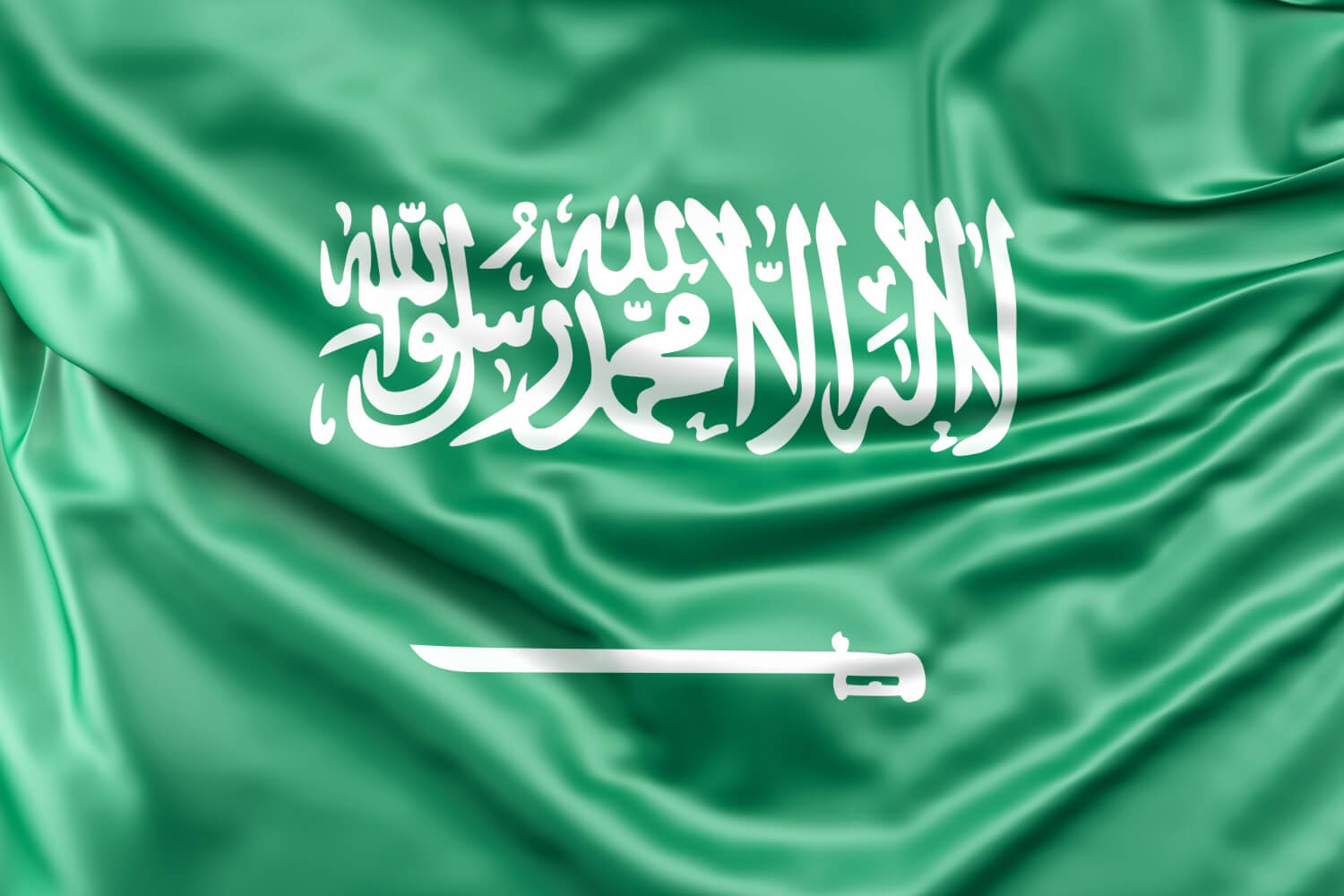
Saudi Founding Day is one of the prominent national occasions celebrated annually by the Saudi people on February 22. This day marks the beginning of a new historical era in 1727 AD, when Imam Muhammad bin Saud laid the foundations for the establishment of the First Saudi State. It serves as an opportunity to renew pride in national identity and highlight the rich cultural heritage.
Saudi Founding Day is a national occasion commemorating the establishment of the First Saudi State, which began in the city of Diriyah as the nucleus for the unification of the Arabian Peninsula. In 2022, King Salman bin Abdulaziz declared February 22 as an official annual day to commemorate the founding. This day is recognized as an official holiday across all sectors.
In 1139 AH (1727 AD), the Arabian Peninsula witnessed a significant historical event when Imam Muhammad bin Saud established the foundations of the First Saudi State. Since then, this state has become a model of unity, stability, and development. Today, February 22 serves as a reminder of the achievements of ancestors and an inspiration for national values in building the future.
The Kingdom of Saudi Arabia witnesses numerous celebrations to honor this great day, including:
The celebrations are characterized by a distinctive cultural flair that reflects the depth of Saudi heritage. Men wear traditional attire such as the Saudi thobe, shemagh, and agal, while women adorn themselves with embroidered abayas and modest traditional clothing that showcase the diversity of Saudi regions. Henna is one of the most prominent traditional adornments for women during this occasion.
Folk dances, such as the Saudi Ardah, are an integral part of the celebrations. This traditional dance, historically performed to welcome returning warriors, has become a symbol of national unity and pride in belonging to the Kingdom.
Celebratory tables are adorned with traditional dishes like Jareesh, a national Saudi dish made from crushed wheat and yogurt. Saudi coffee, with its aromatic blend of cardamom and saffron, takes center stage as the perfect companion to traditional sweets.
In 1446 AH, Saudi Founding Day falls on Saturday, 23 Sha'ban 1446 AH, corresponding to February 22, 2025. This day provides an opportunity to reflect on the nation’s history and its ongoing achievements over the decades.
As of the writing of this article, there are 22 days left until Saudi Founding Day 2025, making it an ideal time to plan celebrations for this cherished national occasion.
Several news outlets and media platforms have reported on the extension of the Saudi Founding Day holiday in 2025. This extension allows citizens and residents to fully participate in the events and celebrations held on this important national occasion.
According to reports, the Saudi Founding Day holiday in 2025 will be longer than usual, as the day falls on a Saturday, which is already an official holiday. Therefore, the official holiday will span three days, including Friday, Saturday, and Sunday. This means the holiday will run from Friday, February 21, 2025, to Sunday, February 23, 2025.
The extension aims to enable everyone to participate in the events and celebrations held across the Kingdom. These include:
The return to work will be on Monday, February 24, 2025. This extended holiday allows citizens and residents to fully enjoy the national occasion and participate in all planned events.
What is Saudi Founding Day?
Saudi Founding Day commemorates the establishment of the First Saudi State by Imam Muhammad bin Saud in 1727.
When is Saudi Founding Day celebrated?
Saudi Founding Day is celebrated on February 22 annually.
What is the difference between Founding Day and National Day?
Founding Day marks the establishment of the First Saudi State, while National Day celebrates the unification of Saudi Arabia under King Abdulaziz.
How long is the Saudi Founding Day holiday in 2025?
The Saudi Founding Day holiday in 2025 will last three days, from Friday, February 21, to Sunday, February 23.
Why was the Saudi Founding Day holiday extended?
The holiday was extended because Founding Day falls on a Saturday, an official holiday, allowing for a three-day break.
When is the return to work after the Saudi Founding Day holiday?
The return to work will be on Monday, February 24, 2025.
Saudi Founding Day is a national occasion rich in history and culture, reflecting the pride of the Saudi people in their heritage and achievements. By celebrating this day, the values of unity and national belonging are strengthened.
January 29, 2025
In the context of the radical transformations taking place in the Kingdom of Saudi Arabia under Vision 2030, the NEOM project stands at the forefront of ambitious initiatives reshaping the concept of smart and sustainable cities. This project is not just a real estate development but a comprehensive vision aimed at transforming the region into a global hub for innovation and sustainability. In this article, we explore what the NEOM project is, where NEOM is located, the objectives of NEOM, as well as details about the area of NEOM, the cost of NEOM, and its development plans.
The NEOM project is an innovative smart city that represents a futuristic vision for living and working. The project relies on advanced technologies for renewable energy and artificial intelligence, with a design that combines comfort and sustainability.
Launched in 2017, NEOM aims to become a global model for future cities. The name "NEOM" carries symbolic meanings; "NEO" refers to "new" in Greek, and "M" stands for "future" in Arabic, reflecting the project's aspirations to deliver a new future.
In addition to its innovative architectural design, NEOM focuses on creating an environment that supports quality of life and provides economic and social opportunities for citizens and residents.
Where is NEOM located? NEOM is situated in the northwest of Saudi Arabia, specifically in the Tabuk region, stretching along the Red Sea coast for 460 kilometers. Its strategic location makes it a crossroads between Asia, Europe, and Africa, enhancing its position as a global commercial and tourist hub.
The boundaries of NEOM extend to the Gulf of Aqaba in the north, with nearby lands close to Jordan and Egypt. This exceptional location places NEOM near global trade routes, making it easily accessible and contributing to its status as a global economic center.
The location of NEOM is characterized by natural and geographical diversity, making it ideal for building a global city. It combines coastal beaches stretching along the shoreline, 41 natural islands, and mountain ranges rising up to 2,500 meters above sea level. This natural diversity provides an attractive environment for living and investment.
The location also boasts a moderate climate compared to other Gulf regions, thanks to the mountains and the Red Sea, making it suitable for comfortable living. Additionally, NEOM is close to global markets, with easy access from most parts of the world.
The NEOM project spans approximately 26,500 square kilometers, an area roughly equivalent to the size of Belgium. This vast area reflects the grand ambitions of the project, allowing for the creation of residential, commercial, and industrial zones with multiple functions.
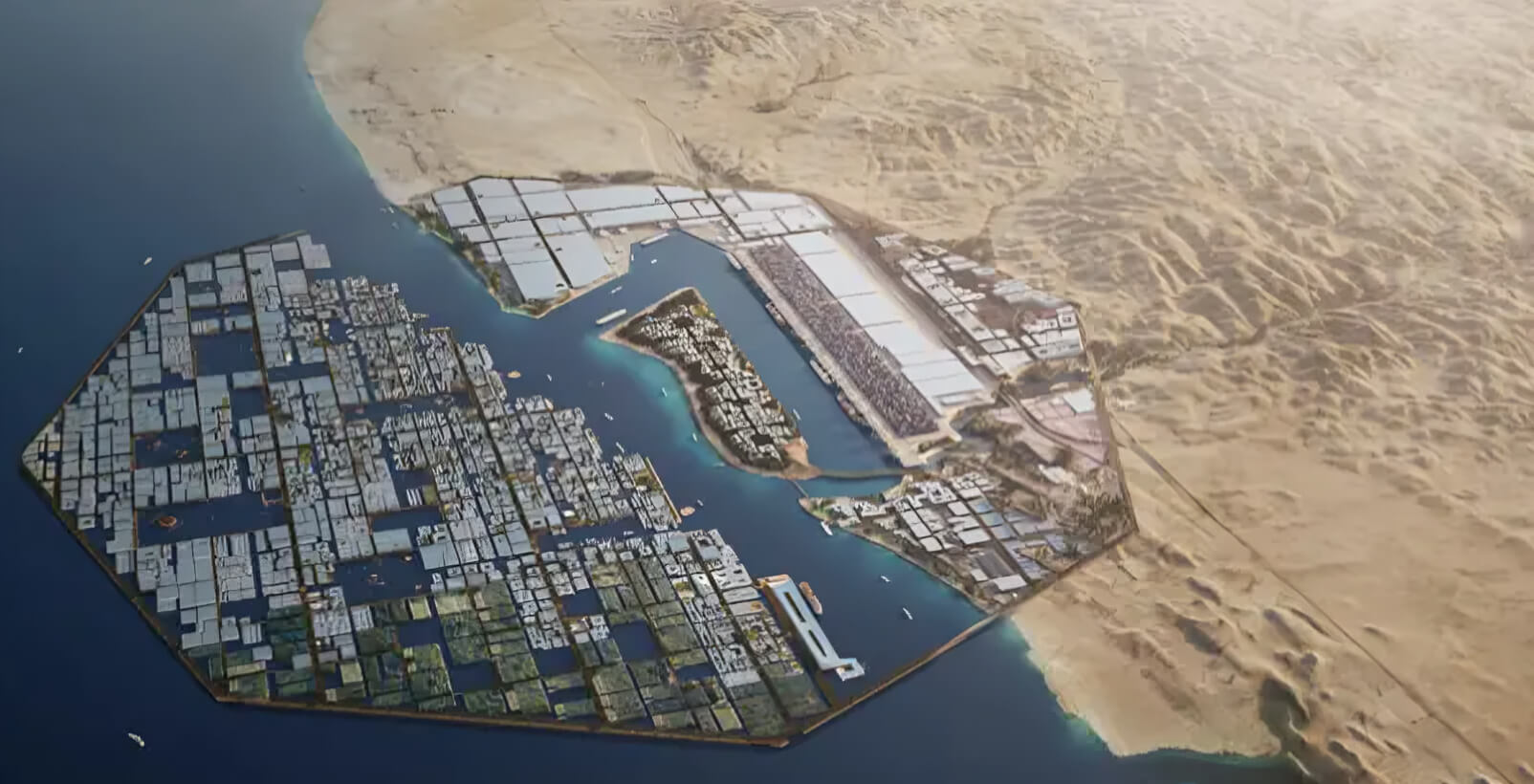
The area of NEOM is not just about numbers; it represents a broad vision aimed at designing an integrated city with large green spaces, preserving 95% of the natural environment. The area includes zones such as "The Line," "Trojena," and "Oxagon," each offering a unique urban experience.
The cost of the NEOM project is estimated at $500 billion, making it one of the largest development projects in the world. The project is funded by Saudi Arabia's Public Investment Fund, along with partnerships with global investors.
The cost covers the development of advanced infrastructure, including smart transportation systems and renewable energy. It also includes investments in technologies like green hydrogen, a sustainable energy source. These investments aim to transform NEOM into a global center for innovation and sustainability, ensuring significant economic and social returns.
The objectives of NEOM reflect a comprehensive vision aimed at achieving sustainable development and fostering innovation. Key objectives include:
The NEOM map highlights detailed designs of the city, divided into multi-functional zones. Key areas include:
The map also shows the smart transportation network, including high-speed trains connecting different parts of the city.
The NEOM project is being implemented in phases spanning decades, with clear timelines.
The first phase is set to be completed by 2025, including the development of infrastructure and basic facilities.
By 2030, most of the main areas, such as "The Line" and "Trojena," are expected to be operational.
Work on the project will continue until 2040 to achieve a comprehensive and sustainable vision.
The design of NEOM embodies an innovative vision for smart cities. The city relies on architectural designs that integrate technology and nature, focusing on providing a healthy and sustainable environment.
Although the project is still in its early stages, NEOM is currently witnessing significant progress. Initiatives have been launched to develop infrastructure, including research centers for renewable energy and artificial intelligence. Additionally, construction has begun on "The Line" and "Oxagon," with programs supporting innovation and investment.
The NEOM project offers promising investment opportunities in various sectors, such as:
1- Where is NEOM located?
NEOM is located in the northwest of Saudi Arabia, in the Tabuk region, stretching along the Red Sea coast.
2- What is the NEOM project?
NEOM is a smart city powered by advanced technology and sustainability, aiming to become a global model for future cities.
3- What is the area of NEOM?
NEOM spans approximately 26,500 square kilometers, making it one of the largest development projects in the world.
4- What is the cost of NEOM?
The cost of NEOM is estimated at $500 billion, funded by Saudi Arabia's Public Investment Fund and international partnerships.
5- When will NEOM be completed?
The first phase is expected to be completed by 2025, while the project will continue to evolve until 2040.
6- What are the objectives of NEOM?
NEOM's objectives include achieving environmental sustainability, fostering innovation, creating new jobs, and improving quality of life for citizens and residents.
Conclusion: A Bright Future with NEOM
The NEOM project is not just a smart city but a platform for innovation and progress. With its strategic location, vast area, and ambitious goals, NEOM represents an exceptional opportunity for investment and growth. If you are looking for promising investment partnerships, contact Mada Real Estate for specialized consultations.
For more information, visit Mada Properties.
January 20, 2025
With the rapid advancements the world is witnessing today and the significant shift towards digitization, the real estate market in Saudi Arabia has become one of the most important and challenging sectors. This underscores the importance of finding the best real estate website in Saudi Arabia, especially amidst many free real estate platforms that go beyond merely offering buying and selling services. These platforms aim to provide a comprehensive experience that transforms lives and redefines the concept of real estate.
For many, searching for the perfect home or a profitable investment opportunity can be overwhelming due to the lack of accurate information or the complexity of procedures on many free real estate websites. Recognizing these challenges, Mada Properties has developed an advanced platform that combines simplicity, innovation, and credibility, making it the best site to sell property in Saudi Arabia.
What sets Mada Properties apart and makes it the best real estate website is its unique market vision. The company views real estate not just as numbers or addresses, but as dreams and personal stories waiting to be realized. This distinctive approach makes Mada Real Estate the preferred choice for anyone seeking a special and different experience in the real estate world.
Mada Properties is more than just a real estate website; it is a space designed to simplify people’s lives and help them make important decisions with ease and confidence.
From the outset, the company set a clear and straightforward goal: to provide a different and comfortable experience in all processes related to real estate in Riyadh and other regions, making the journey of searching for a home or investment less complicated and more transparent.
The platform serves as a bridge connecting sellers and buyers, but it is not just a listing site.
Thanks to modern tools and advanced technologies, the platform ensures that users receive all the information they need simply.
Whether looking for a home that meets your aspirations or a promising investment opportunity, Mada Properties is the best place to list rental property and the go-to platform for all your real estate needs.
What distinguishes Mada Properties is not only the technology behind its design but also the strong commitment of its team to provide services based on honesty and transparency.
The team believes that building trust with clients is key, which is why the platform has become the best real estate website in the Kingdom and the preferred choice for anyone looking to make decisions with confidence and peace of mind.
The most important feature of free real estate platforms is that they are not just property listing sites but entirely different experiences designed to meet the needs of the Saudi market with a focus on simplicity and convenience.
Thanks to this approach, platforms like Mada Properties have become the top real estate websites for anyone seeking innovative and easy solutions in the real estate world.
With these features, Mada Properties has become the best site to sell property in Saudi Arabia and the first choice for anyone looking for a unique and easy experience when buying or selling real estate.
In the past, making the right decision in real estate could sometimes be a complex task. However, Mada Properties has been specifically designed to remove this complexity and provide an easy and comfortable experience for anyone looking to sell or buy property in the Kingdom. This is achieved through:
Through Mada Properties, the best site to sell property in Saudi Arabia, the process of buying and selling real estate is no longer a stressful task but an easy and enjoyable journey that helps you reach your goal quickly and without pressure.
Mada Properties did not achieve its prestigious position as one of the top 10 real estate websites in Saudi Arabia by chance. It was through real experiences and success stories that prove the company’s commitment to serving its clients at the highest level.
These different angles of success stories reflect Mada Properties' vision of building a unique relationship with each client, a relationship based on trust, transparency, and commitment.
If you are looking for a different real estate experience, you will find Mada Properties the ideal partner to achieve your goals, along with a wide range of the best properties in Riyadh for rent and sale in the Kingdom.
If you are planning to buy a new home or looking for a promising investment opportunity in the Saudi real estate market, you should first search for the best home buying sites and best place to list rental property in Saudi Arabia, with Mada Real Estate at the forefront. The platform makes things easier than you imagine. Here, you won’t find just a property listing site but a partner who cares about helping you make the best decisions that align with your aspirations.
Don’t leave the choice of your next home or investment to chance. Start your experience now with the best site to sell property in Saudi Arabia, where all the tools and information you need are in one place. The platform is designed to be simple and smooth, allowing you to explore available opportunities with ease and peace of mind. Whether you are taking your first steps in the real estate market or looking for a new opportunity, we are here to support you every step of the way.
Making a real estate decision is not just an ordinary step; it is a decision that affects your life and future. That’s why you need a partner who puts your needs first and provides the support you deserve.
This is exactly what Mada Properties offers through one of the top 10 real estate websites in Saudi Arabia. The platform makes things easier, clearer, and more comfortable.
Whether you are planning to buy your first home or looking for a unique investment opportunity, you will find in the best real estate website the support that leads you to the best choice.
It’s not just about buying or selling property; it’s about building a relationship based on trust, understanding your aspirations, and working to achieve them.
1. What services does Mada Properties offer?
Mada Properties is not just a real estate platform but a comprehensive platform that helps you buy and sell properties with ease. It offers services such as property marketing, advice and consultation, and managing the buying or selling process from start to finish in a clear and transparent manner.
2. Does the platform cover all regions of the Kingdom?
Yes, Mada Properties offers a variety of real estate options covering all regions of the Kingdom. Whether you are looking for a home in a major city or an investment in a growing area, you will find what suits you easily.
3. How can I search for a property on the platform?
It’s very simple! You can use the search tools available on the platform to filter options by price, type, location, and area that meet your needs. The tools are designed to be easy and help you find what you are looking for quickly.
January 12, 2025
The real estate market in Saudi Arabia is one of the most attractive markets for investment, especially for foreigners seeking unique opportunities. But does buying property in Saudi Arabia grant residency? What are the conditions for non-Saudis to own property? What are the fees and procedures associated with it? In this article, we will explore in detail the conditions for non-Saudis to own property, whether in Mecca or Medina, as well as the advantages of buying property in Saudi Arabia for foreigners and the necessary procedures.
One of the most common questions is: Does buying property in Saudi Arabia grant residency? The answer is yes, provided certain conditions are met, including:
A thorough review of all details is necessary to ensure residency through real estate investment. The granted residency facilitates the lives of investors, offering them freedom of movement and work, thereby enhancing their opportunities to benefit from the Saudi market. Therefore, understanding whether buying property in Saudi Arabia grants residency is a fundamental step for every investor.
When discussing the advantages of buying property in Saudi Arabia for foreigners, several points make this option attractive:
These advantages make the Saudi real estate market a preferred destination for foreign investors seeking guaranteed and sustainable opportunities. Undoubtedly, the benefits of buying property in Saudi Arabia for foreigners contribute to increasing this interest.
Regarding property ownership for non-Saudis in Medina, the conditions are strict. These include:
Medina offers exceptional investment opportunities in areas surrounding holy sites, making it a significant attraction. It also features modern real estate projects aimed at improving quality of life and enhancing infrastructure. However, property ownership for non-Saudis in Medina requires full compliance with the specified conditions.
Similar to Medina, property ownership for non-Saudis in Mecca is subject to special conditions, most notably:
Mecca is one of the most attractive real estate markets, making it a significant investment opportunity for investors seeking long-term investments. Additionally, large infrastructure projects add extra value to properties. Therefore, understanding property ownership for non-Saudis in Mecca is essential for every investor.
To own property in Saudi Arabia, a set of specific steps must be followed. Here are the procedures for property ownership for non-Saudis:
These procedures ensure compliance with laws and avoid any legal issues, thereby enhancing the success of investments. Therefore, understanding the procedures for property ownership for non-Saudis is an integral part of the investment process.
When discussing the conditions for selling property to non-Saudis, the following points must be considered:
The fees for selling property to non-Saudis vary based on several factors, such as the property’s location and value. These fees include:
These fees are calculated accurately to ensure transparency in the process and avoid any financial surprises. It is important for investors to consider the fees for selling property to non-Saudis when making a sale decision.
If you are considering buying property in Saudi Arabia as a foreigner, here are some tips:
Among the advantages of buying property in Saudi Arabia for foreigners are:
There are many details to consider:
If you need more details about the conditions for property ownership for non-Saudis, do not hesitate to ask. We are here to provide support!
Saudi Arabia is an ideal destination for foreign investors seeking opportunities in the real estate sector. By adhering to the conditions for property ownership for non-Saudis and following the procedures for property ownership for non-Saudis, a successful and sustainable investment can be achieved. Thanks to the advantages of buying property in Saudi Arabia for foreigners, investors can easily achieve their financial and residential goals. If you have any inquiries about buying property in Saudi Arabia for foreigners or the fees for selling property to non-Saudis, do not hesitate to contact us. We are here to assist you.
What are the conditions for property ownership for non-Saudis?
Non-Saudis can own property in Saudi Arabia under specific conditions, such as the property being designated for residence or investment and not located within the boundaries of holy sites like Mecca and Medina.
Does buying property in Saudi Arabia grant residency?
Yes, buying property in Saudi Arabia can grant residency, provided the property is for residential use and the required documents are submitted in accordance with the laws.
Which areas are open to foreign ownership?
Foreigners are allowed to own property in all areas except within the boundaries of the Haram in Mecca and Medina. Additional restrictions may apply based on the property type and location.
What are the procedures for property ownership?
Are there special fees for non-Saudis when buying property?
Yes, fees include registration fees, real estate taxes, and additional fees for legal services and contract documentation.
Can non-Saudis easily sell property?
Non-Saudis can sell property, but they must adhere to the conditions for selling property to non-Saudis, such as paying the prescribed fees and ensuring the transaction complies with regulations.
What are the benefits of property ownership for non-Saudis in Saudi Arabia?
Can property be owned in Mecca and Medina?
Foreigners can own property in areas surrounding Mecca and Medina but under strict conditions. Non-Muslims are not allowed to own property within the boundaries of the Haram.
What documents are required for property ownership?
How can I get help with property ownership?
It is advisable to contact local real estate consultants or specialized offices to provide legal assistance and ensure the process complies with regulations.
January 9, 2025
As Saudi Arabia approaches 2030, the country’s real estate sector is undergoing transformative changes that have garnered global attention. These changes align with the ambitious Saudi Vision 2030, which aims to reshape the nation’s economic and social landscape. Understanding these trends is essential for anyone interested in the Saudi real estate market trends or planning to invest in the sector. In this article, we’ll explore what the future holds for real estate development in Saudi Arabia and analyze its current and anticipated state.
Before delving into the real estate future in Saudi Arabia 2030, it’s crucial to understand the current state of the sector. Over recent years, the Saudi housing market has experienced noticeable shifts in both the rental and sales markets. Data indicates significant disparities in property prices in Saudi Arabia today between major cities and rural areas, reflecting varied economic and social influences on the sector.
Among the cities poised to witness significant transformations is Riyadh, the capital. As the hub of urban expansion, the future of Riyadh’s real estate market looks promising, with increasing demand for both residential and commercial properties. Landmark projects such as the King Abdullah Financial District and Riyadh’s Grand City Project are expected to drive this growth, creating unparalleled opportunities for investors.
The Saudi housing market is set to see a surge in demand for residential properties, particularly in Riyadh. With the development of modern neighborhoods and urban expansion, real estate prices in Riyadh are projected to remain robust, making the capital a top contender for the best investment areas in Saudi real estate.
Growth in the Commercial Market
Riyadh’s commercial real estate sector is equally promising. As the city undergoes economic transformation, there is rising demand for modern office spaces and retail hubs. This positions Riyadh as a focal point for commercial investments, cementing its status as a leading Middle Eastern market.
One of the most pressing questions for investors and residents alike is: Will property prices drop in Saudi Arabia? While some regions may experience temporary stability or minor fluctuations, overall prices are expected to remain on an upward trajectory, particularly in high-demand areas like Riyadh and Jeddah.
Several key factors are shaping property prices in Saudi Arabia today:
High Demand in Major Cities: Urban centers such as Riyadh and Jeddah continue to attract demand, pushing prices higher.
Government Projects: Megaprojects like NEOM and Qiddiya are anticipated to boost surrounding real estate markets, further increasing demand.
Economic Dynamics: While economic shifts, including inflation and oil price changes, may pose challenges, the long-term outlook remains positive.
Real estate development in Saudi Arabia is being driven by ambitious government initiatives and substantial contributions from the private sector. The following trends and opportunities highlight what lies ahead:
Game-changing projects like NEOM, The Red Sea Project, and AlUla are at the forefront of the real estate future in Saudi Arabia 2030. These initiatives aim to develop world-class infrastructure, residential communities, and commercial spaces, attracting both local and international investments.
New urban centers, including Jeddah New City and AlUla, are becoming hotspots for investors. These regions are set to see substantial growth, making them among the best investment areas in Saudi real estate.
The rental market is expected to evolve, especially with population growth and urbanization. Rising demand for rental properties in and around Riyadh will likely increase rental prices, offering lucrative opportunities for investors in the sector.
Despite the optimistic outlook, the market is not without its challenges:
Rising Prices: Increasing real estate prices in Saudi Arabia may pose affordability issues for some populations.
Economic Fluctuations: Variability in oil prices and inflation could influence market stability.
Intense Competition: With an influx of projects, developers face heightened competition to attract buyers and tenants.
If you’re considering investing in the Saudi housing market, here are key strategies to maximize your returns:
Stay Informed: Regularly monitor Saudi real estate market trends and government policies.
Diversify Investments: Balance your portfolio between residential and commercial properties for stability.
Focus on Long-Term Gains: Prioritize properties in high-demand areas, such as Riyadh, to ensure sustainable returns.
Conclusion
The real estate future in Saudi Arabia 2030 is bright and full of potential. While the Saudi real estate market trends suggest continued growth, success will depend on the ability of investors and stakeholders to navigate challenges and seize emerging opportunities. With its dynamic developments and ambitious projects, Riyadh stands out as a city to watch, offering unparalleled prospects for real estate investors.
Whether you’re a seasoned investor or new to the market, the Saudi real estate sector’s evolution provides a wealth of opportunities for growth and success.
FAQs
What is the current state of the Saudi real estate market?
The market has seen significant growth, particularly in major cities like Riyadh, driven by high demand and ongoing development projects.
Will property prices drop in Saudi Arabia?
While some areas may experience minor fluctuations, overall prices are expected to rise, especially in high-demand urban centers.
What are the major projects shaping Saudi Arabia’s real estate future?
Mega projects like NEOM, The Red Sea Project, and Qiddiya are key drivers of the sector’s growth.
What challenges could affect the Saudi real estate market?
Challenges include rising property prices, economic fluctuations, and intense competition among developers.
How can investors benefit from Saudi Arabia’s real estate market?
Investors should stay informed, diversify their portfolios, and focus on long-term opportunities in high-demand areas such as Riyadh.
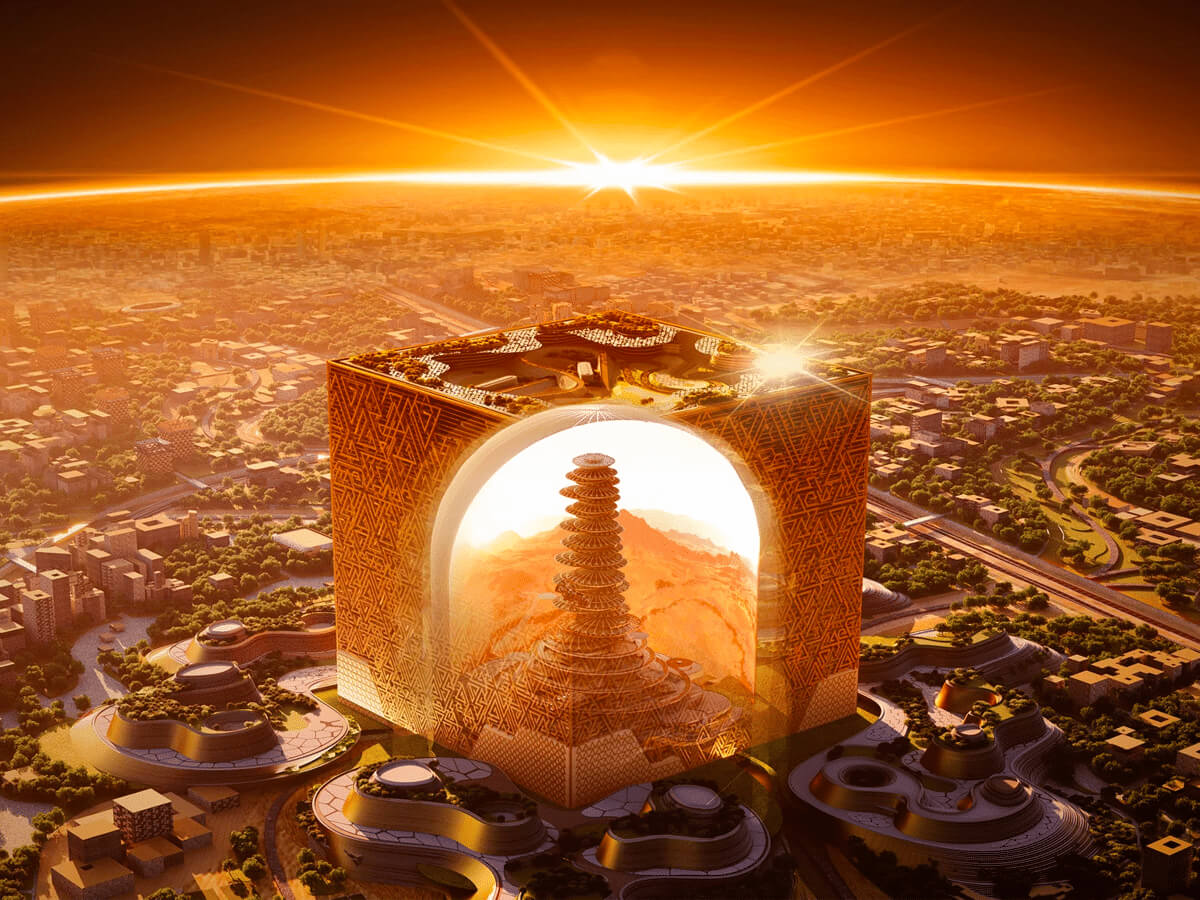
January 5, 2025
The Cube Project, also known as Mukaab Riyadh, is an ambitious development set to redefine the skyline of Saudi Arabia's capital. Located in the heart of Riyadh, the Cube Project promises a futuristic urban experience combining innovation, sustainability, and cultural pride. This transformative project is poised to become a symbol of progress, and its significance lies not just in its scale but in the impact it will have on urban living. In this article, we delve into the details of the Cube Project, including the mukaab Riyadh location, the cube Riyadh location, the mukaab Riyadh cost, and the mukaab Riyadh completion date.
The Cube Project is strategically located in the Murabba district, an area known for its historical significance and urban vibrancy. The cube Riyadh location is within close proximity to King Salman Park, Riyadh Airport, and major commercial hubs, ensuring accessibility and connectivity. This central location not only enhances convenience but also integrates the project into the city's cultural and economic fabric.
The strategic placement of the Cube Project aligns with Saudi Arabia's Vision 2030, emphasizing development that integrates lifestyle, commerce, and sustainability. The mukaab Riyadh location is designed to foster a sense of community, making it an ideal choice for residents and investors alike. Additionally, its location serves as a gateway to Riyadh’s evolving skyline, representing a seamless fusion of heritage and innovation.
The Saudi Cube Skyscraper stands as an engineering marvel, symbolizing Riyadh's aspirations on a global scale. With its futuristic design and expansive interior spaces, the structure will house:
The Saudi Cube Skyscraper is not just a building; it's an ecosystem of innovation and elegance. Designed with cutting-edge technology, the skyscraper embodies the concept of a "city within a city," providing residents and visitors with unparalleled convenience and comfort.
One of the standout aspects of the Cube Project is its commitment to sustainability. The design incorporates:
These features ensure that the mukaab Riyadh aligns with global sustainability goals while catering to modern urban needs. By integrating green practices, the Cube Project sets a benchmark for environmentally conscious developments.
The estimated mukaab Riyadh cost runs into billions of dollars, reflecting its scale and ambition. This significant investment covers:
The Cube Project is set to generate thousands of jobs during construction and operation, boosting Riyadh's economy. The mukaab Riyadh cost represents more than financial expenditure; it symbolizes an investment in the future of Saudi Arabia. The project’s economic ripple effects will extend to various sectors, including tourism, real estate, and technology.
The high mukaab Riyadh cost is justified by the project's potential to drive long-term growth. By creating a hub for business, leisure, and innovation, the project is expected to attract both domestic and international stakeholders, solidifying Riyadh’s position on the global stage.
The mukaab Riyadh completion date is projected for 2030, aligning with Saudi Arabia's Vision 2030 objectives. The project is being executed in phases to ensure quality and timely delivery:
The completion of the Cube Project will mark a significant milestone in Riyadh's urban development, offering a futuristic living and working environment. As the mukaab Riyadh completion date approaches, excitement continues to build around this transformative endeavor. The project will usher in a new era of urban planning, serving as a blueprint for sustainable megastructures worldwide.
The Cube Project offers a plethora of opportunities for investors:
For residents, the mukaab Riyadh location offers:
By blending modern conveniences with cultural elements, the Cube Project creates a holistic living experience tailored to diverse needs.
The Cube Project is a cornerstone of Saudi Arabia's Vision 2030, emphasizing innovation, sustainability, and cultural heritage. It reflects the nation's commitment to creating a thriving society and diverse economy by integrating residential, commercial, and recreational spaces within a single development. The mukaab Riyadh location plays a pivotal role in fulfilling these aspirations by bridging tradition and modernity.
With the Saudi Cube Skyscraper at its center, the project is poised to attract international attention, positioning Riyadh as a global hub for business and tourism. This aligns with the overarching goals of Vision 2030 to diversify the economy and boost international partnerships. The cube Riyadh location will serve as a magnet for global investments, fostering collaboration and innovation.
The Cube Project is not just about creating a building; it’s about redefining how cities can integrate living, working, and leisure in a sustainable and culturally enriched environment. Its impact will resonate across generations, making it a symbol of progress and innovation.
The Cube Project in Riyadh is more than a development; it’s a vision brought to life. With its prime mukaab Riyadh location, groundbreaking design, and alignment with Vision 2030, the project stands as a beacon of innovation and progress. Whether you’re an investor, a resident, or simply intrigued by transformative urban projects, the Cube Project promises to redefine expectations.
Stay updated on the mukaab Riyadh completion date and explore the endless possibilities of the Saudi Cube Skyscraper. Share your thoughts or questions below and be part of this exciting journey!
December 17, 2024
Real estate investment is considered one of the safest ways to build long-term wealth, particularly in Saudi Arabia. With continuous economic development and significant improvements in infrastructure, choosing the best real estate investment can be the ideal path for investors seeking sustainable success.
This guide explores the top types of real estate investment in Saudi Arabia and how to select the most suitable option to achieve consistent returns.
When thinking of real estate investment in Saudi Arabia, many investors turn to residential properties. The steady demand for homes and apartments makes this type of investment highly stable. Saudi Arabia's residential sector is among the best property investments due to rapid population growth and rising income levels.
Real-life example: In Riyadh, investors can benefit from areas such as New Riyadh and Diriyah. These neighborhoods offer the best real estate investment in Riyadh because of high demand. By investing in such areas, investors can ensure sustainable returns on real estate investment.
Residential real estate investment offers return on real estate investment
in Saudi Arabia. The rental demand in major urban areas like Riyadh and Jeddah contributes to stable, long-term returns, making this a profitable option for investors.
Commercial real estate investments, including office buildings and shopping centers, are considered among the best property investment options in Saudi Arabia. With the continuous growth of businesses in the Kingdom, real estate investment in Saudi Arabia within the commercial sector presents an excellent opportunity.
Prime locations for commercial investment: Riyadh, particularly areas like the Eastern Region and Downtown Riyadh, offers the best real estate investment in Riyadh due to a booming commercial sector.
Commercial real estate typically delivers higher returns compared to residential investments. Although commercial properties require larger capital, the financial returns significantly outweigh the costs.
Aligned with Saudi Vision 2030, industrial real estate—such as warehouses and factories—presents a significant opportunity. The ongoing expansion of the industrial sector makes this an excellent real estate investment in Saudi Arabia for those seeking long-term, high returns.
Industrial zones in Riyadh, Dammam, and Jeddah are experiencing rapid growth, offering the best property investment opportunities.
Industrial properties yield innovative returns due to increasing demand for logistics services and storage facilities.
Investing in land is one of the best types of real estate investment in Saudi Arabia, particularly in rapidly growing cities like Riyadh and Jeddah. Land values have significantly appreciated over time, making it ideal for investors willing to wait for future profits.
Areas like New Riyadh and East Jeddah are prime targets, expected to witness significant real estate development in the coming years.
Although land investment requires more time to realize profits, its steady value appreciation ensures long-term gains. As development increases in these areas, land values soar.
For beginners in real estate, Real Estate Investment Trusts (REITs) are an excellent option. These funds allow investors to invest in real estate without directly purchasing properties. Investing in REITs is one of the easiest ways to enter the real estate market in Saudi Arabia, particularly for new investors.
Investors can participate in REITs through brokerage firms or local banks. These funds offer a convenient way to invest without operational costs.
REITs provide steady returns, making them the best real estate investment for investors seeking diversified entry into Saudi Arabia’s property market.
The simple answer is yes. Real estate investment in Saudi Arabia is highly profitable, especially when investors know where to invest. With growing demand for residential, commercial, and industrial properties, returns on real estate investment are consistently high. Success depends on selecting the right type of property, understanding the local market, and focusing on growth-driven locations.
As the capital, Riyadh offers unparalleled opportunities for the best real estate investment. The city's massive urban expansion, including major projects like New Riyadh, highlights its appeal for both residential and commercial investments.
Key neighborhoods for investment: Areas like King Abdullah District and Al Malaz provide modern infrastructure and rising demand for residential and commercial spaces, making them prime spots for real estate investment in Riyadh.
Real-world example: In New Riyadh, real estate investors can achieve strong financial returns due to ongoing government projects and advanced facilities supporting urban living.
The return on real estate investment depends on factors like location, property type, and market conditions. Typically, returns in Saudi Arabia range between 7% to 12% annually, varying across sectors.
Example: Residential properties in Riyadh offer returns between 7% to 10% annually, while commercial investments can yield above 12%, particularly in business areas like King Abdullah Financial District.
Investing in real estate in Saudi Arabia is a profitable long-term strategy. From residential and commercial properties to industrial investments and REITs, each type of property investment has its benefits. Success depends on thorough research, understanding market trends, and targeting growth areas.
Riyadh, in particular, provides outstanding opportunities for the best real estate investment in Riyadh, offering stable and long-term returns.
Final Tip: Take your time when making investment decisions. Careful analysis and market research are key to maximizing your investment potential.
1. What are the best types of real estate investment in Saudi Arabia?
The best options include residential, commercial, industrial, land investments, and REITs.
2. Why is residential real estate investment safe in Saudi Arabia?
High demand for housing in cities like Riyadh and Jeddah ensures stability and sustainable returns.
3. What is the return on real estate investment in Saudi Arabia?
Returns typically range from 7% to 12% annually, depending on the property type and location.
4. Where can I find the best real estate opportunities in Riyadh?
Top areas include New Riyadh, King Abdullah District, and Al Malaz, which are witnessing rapid urban development.
5. Are REITs a good option for new investors?
Yes, REITs provide an easy, low-cost way to enter the real estate market and earn steady returns.
6. How do I calculate real estate investment returns?
Divide the annual income generated by the property by the total investment cost to determine the return percentage.
November 11, 2024
Top Property Developers in Riyadh are one of the main reasons why the city is so vibrant, blending modern life with our deep sense of history and heritage.
Riyadh is more than just the capital of Saudi Arabia; it’s a place that feels vibrant and ever-changing, and thanks to the Kingdom’s Vision 2030, we’re seeing exciting new projects and developments everywhere, providing better housing, workplaces, and entertainment venues to meet the needs of the people who call Riyadh home.
Top Property Developers in Riyadh are all working hard to make that national vision a reality. These companies aren’t just building for today, but for a future that everyone in Riyadh can look forward to.
In this article, we explore the city’s top real estate companies and what makes each one special, from their mega projects to how they improve everyday life; whether you’re thinking about a place to live, planning to invest, or just curious, you’ll get a real sense of how Riyadh is transforming into a city for everyone.
In Riyadh, real estate isn’t just about building new buildings – it’s about creating places where people can live, work and enjoy life in ways that truly reflect the goals of Vision 2030, a vision that is about building a strong, diverse economy that brings new possibilities to everyone across Saudi Arabia.
So how are Top Property Developers in Riyadh helping to make Vision 2030 a reality for people?
The real estate sector is about building a future that we can all participate in – a future in which Riyadh continues to grow as a modern and welcoming city in line with Vision 2030.
The rapid transformation of Riyadh would not be possible without the contributions of top property developers.
These companies do not just build buildings; they shape the city's future, creating spaces where people can live, work and feel connected to the energy and vision of Riyadh.
Here’s a look at some of the notable companies making a difference:
Since its founding in 1994, Dar Al Arkan has been a major player and one of the top real estate developers in Saudi Arabia and across the Middle East, and with a listing on the Saudi Stock Exchange since 2007, its strong reputation for large-scale developments has shined.
Dar Al Arkan's mission is to enhance the quality of life and provide carefully designed spaces that serve Saudi families and communities, making it one of the top property developers.
Founded by Prince Alwaleed bin Talal in 1980, it is a global investment powerhouse with a diverse portfolio of different types of real estate projects, most notably:
Kingdom Holding Company is working to transform the Kingdom into a leading investment and tourism destination, by adding prominent projects that stand out worldwide.
As the first public real estate company in the Kingdom of Saudi Arabia, established in 1976, Aqaria brings decades of experience that qualifies it to be one of the leading names in the list of top property developers.
Al Akaria is committed to providing high-quality, affordable housing and sustainable urban living.
Roshen was established as an initiative of the Public Investment Fund in 2020 to create fully integrated residential communities.
Roshen is working to build a sustainable future for Saudi families through homes and communities that balance modernity and tradition.
Since 2007, Sumou has focused on creating high-quality and accessible housing, eventually becoming one of the top property developers in Riyadh.
Sumou projects provide housing solutions for a diverse community while keeping costs reasonable.
As one of the oldest real estate companies in Saudi Arabia, founded by Sheikh Abdullah Bin Saedan in the 1960s, it has a legacy in residential and commercial development.
Bin Saedan continues to focus on practical solutions that benefit Saudi families in their daily work.
Since 1991, Al Muzaini has developed large-scale residential communities, with these projects occupying a leading position in the list of top property developers.
Al Muzaini offers high-quality, affordable housing with the community in mind.
Established in 2006 to become one of the top real estate developers, Andalus Company specializes in shopping malls and mixed-use projects.
Andalus combines retail and residential experiences, supporting a vibrant and connected community.
Established in 1988 and headquartered in Medina, Taiba Company focuses on real estate, hospitality and more.
By focusing on hospitality, Taiba Company works to enhance the tourism sector in Medina and improve guest experiences.
As part of Al Rajhi Group, this company is a major player in the real estate, industry and agriculture sectors and is one of the top property developers in Riyadh
Al Rajhi & Sons are committed to high-quality sustainable development that supports the community.
Nasaj focuses on building high-quality, affordable housing with modern designs.
Nasaj offers practical and accessible housing options while maintaining high standards of design and quality.
One of the best real estate companies in Riyadh that contributes effectively to the growth process that the Kingdom is going through, thanks to its innovations in the world of real estate brokerage and its solutions tailored to each project individually Which is headed by its website, which is considered top real estate website in Riyadh.
MADA Properties also has another branch in Dubai to be part of the global market, and attract many global investors to the Kingdom, until its work reached the point of winning the award for the best performance in the Arab region from the International Property Award.
Innovation and technology are changing the face of real estate in Riyadh. Top real estate developers here are not just building structures; they are creating smarter, greener spaces that make life easier and more enjoyable.
By embracing the latest technologies and sustainable practices, these companies are setting new standards for what homes and communities can be. Here’s how they do it:
With these developments, the real estate sector in Riyadh is not only keeping up with global trends; it is leading the way toward a sustainable, connected future that is ready for whatever comes next.
The Riyadh real estate market is constantly evolving, meeting the needs of a growing city while facing some unique challenges.
For top property developers, every project is a balancing act between meeting today’s needs and creating sustainable spaces for the future. Here’s what’s at stake:
Overcoming these challenges and seizing opportunities is part of the journey of real estate companies in Riyadh. They don’t just build structures, they shape the future of a city that welcomes growth, innovation and new possibilities at every turn.
Top property developers in Riyadh are not just building new buildings; they aim to create an economic impact that touches the lives of people across the Kingdom.
As these projects grow, opportunities, jobs, and spaces grow that help communities grow stronger. Here’s a closer look at how the real estate sector boosts the economy and supports daily life:
The real estate sector is not just about building buildings; Rather, it is building a stronger, more diversified economy that brings real benefits to the Kingdom and its people. Through each project, we see a glimpse of a more connected, more prosperous Saudi Arabia, moving steadily toward the future.
Top property developers in Saudi Arabia are not only building great projects, but they are also building relationships with leading global players to bring in the latest expertise and technology.
These partnerships aim to create a real impact and raise the quality of what is offered to meet global standards. Here’s how international collaborations add real value to Riyadh’s real estate landscape:
Through these collaborations, top real estate developers in Riyadh are not only building better properties, but they are also ensuring that Riyadh keeps pace with global developments.
Top property developers in Riyadh take their role in sustainability and social responsibility seriously; they don’t just build for today – they think about the future and the impact on society, the environment and the next generation.
Here’s how these companies are making a difference that extends beyond concrete and steel:
With their commitment to sustainability and social responsibility, top property developers in Riyadh are setting an example for responsible construction.
It proves that development can go hand in hand with environmental stewardship and investing in the people who call this city home.
The role of top property developers in Riyadh is not limited to building buildings only, but rather they are building a vision for the future that is in line with the Kingdom’s Vision 2030.
As we have seen through the wonderful projects and initiatives of these companies, the real estate sector in Saudi Arabia is not just an industry, but rather the driving force behind the Kingdom’s ambitious goals; it is laying the foundation for a brighter and more sustainable future built for the benefit of future generations.
If you are thinking of starting your steps in real estate investment, do not forget to visit the expert blogs section on the Mada Properties website the top real estate website in Riyadh, you will find many tips that will help you organize your investments correctly, and if you are looking for a personalized consultation, don’t hesitate to contact us.
Riyadh is home to many prominent real estate companies, including Dar Al Arkan, Kingdom Holding, Saudi Real Estate Company, Roshn, Sumou Real Estate, Bin Saedan Real Estate, Al Muzaini Real Estate, Al Andalus Real Estate, and others.
These companies play a key role in achieving Vision 2030 by developing housing, commercial spaces, and tourism projects that help diversify the economy.
Real estate companies in Riyadh are embracing advanced technology in construction, design, and property management. This includes sustainable building practices, smart city solutions, and modern architectural designs that are in line with the needs of today’s residents.
November 5, 2024
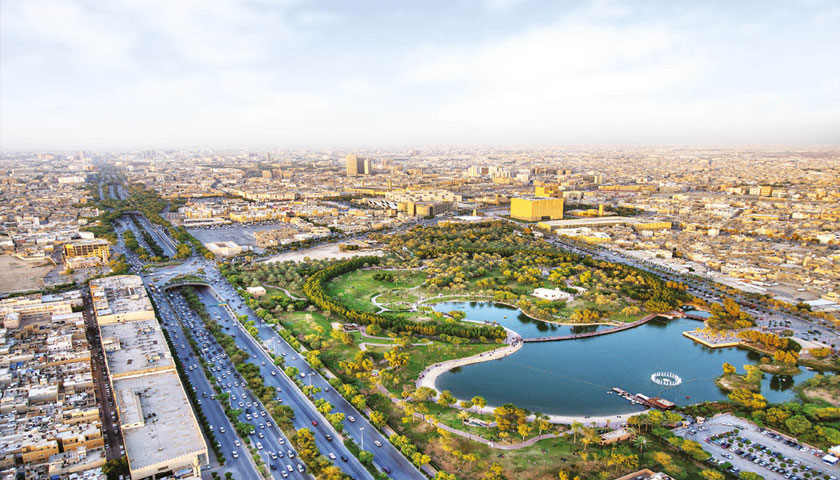
Picture strolling through Riyadh, where shade from newly planted trees cools the air, gardens thrive at every corner, and fresh breezes transform the city. The Greening Riyadh initiative is making this vision real, aiming to reshape the capital into a greener, more sustainable place for everyone. As part of Saudi Arabia’s Vision 2030, the Riyadh Green Project is on track to improve life quality while positioning Riyadh as an urban oasis.
Known for its rapid development, Riyadh faces unique environmental challenges, especially in a desert climate.
The Green Riyadh project goes beyond beautification; it addresses these challenges by increasing green spaces to help reduce heat, clear the air of dust, and increase humidity naturally.
This ambitious project not only creates cooler, cleaner spaces but also promotes outdoor leisure, providing people with more places to relax, exercise, and connect with nature.
The project sets out some remarkable targets to make the Riyadh Green Project a reality:
Central to the Green Riyadh Project is the planting of over 7.5 million trees across the city. These trees will be arranged into green belts and numerous public parks, creating refreshing green spaces where they are most needed. The project also focuses on native trees suited to Riyadh’s climate, chosen for their ability to thrive with less water and provide maximum shade and air purification.
Considering Riyadh’s desert location, water management is a crucial element of the Green Riyadh project. The plan includes nurseries for local trees and uses recycled water to irrigate green spaces, making the project both sustainable and environmentally friendly.
The Green Riyadh Project does more than beautify—it creates new investment opportunities, especially in real estate and tourism. Imagine investing in a city renowned for its natural beauty and state-of-the-art amenities.
Expanding green areas not only attracts residents and tourists but also drives demand for hotels, entertainment, and housing, which, in turn, raises property values and opens new avenues for businesses.
Riyadh’s green transformation makes it a lucrative choice for long-term investment, aligning with Vision 2030’s goals for a prosperous economy.
This ambitious project unfolds in structured stages to ensure Riyadh Green Project transformation is sustainable and lasting:
When we talk about the green Riyadh project, it’s so much more than just planting a few trees. There’s a whole vision behind it aimed at creating a healthy and sustainable urban space for all of us. Think about places like King Abdullah Park, a beautiful green oasis right in the city, where families can gather, relax, and enjoy nature together.
The Greening Riyadh initiative encourages things like vertical farming, making even the smallest spaces burst with life. Imagine turning an empty lot into a vibrant green area—it’s totally possible!
This isn’t just good for the environment; it’s also great for Riyadh's economy. More green spaces mean more attractions for tourists, giving them a unique experience where nature meets modernity, with the green areas around the tallest buildings, magic happens here!
Plus, these green projects are creating job opportunities for people in our community. From engineers to agricultural experts, there’s a need for a diverse skill set to bring this vision to life. So, as we support the green Riyadh project, we’re also investing in our local economy and helping our neighbors find work. It’s a win-win for everyone involved!
The success of Greening Riyadh shows that cities can grow without harming the environment, making it a model for cities worldwide facing similar challenges. By balancing urban expansion with environmental care, Greening Riyadh proves that economic growth and a green landscape can go hand in hand.
Other cities can take a page from Riyadh’s book, bringing together different industries and using the latest technology to create projects that suit their own unique needs. It shows what’s possible when there’s a strong commitment to sustainable urban living.
Watching Riyadh become a greener, more livable city is inspiring, but this transformation isn’t something the government can accomplish alone. Each resident has a part to play. By keeping public spaces clean, planting trees at home, or starting a small garden, we all contribute to Greening Riyadh.
Community support for the Riyadh Green Project isn’t just about trees; it’s about fostering a mindset that values and protects nature.
Together, we can make Greening Riyadh something everyone in the city feels connected to.
So now,
Greening Riyadh is about creating a balance where urban life and nature flourish together. This initiative is paving the way for a greener future for everyone. By investing with Mada Properties, you’re joining a movement that’s shaping Riyadh’s future and contributing to a city where nature and development work together.
Frequently Asked Questions About Greening Riyadh
1. What is Greening Riyadh?
Greening Riyadh is an initiative aimed at transforming Riyadh into a green oasis by increasing the number of trees and plants, thereby improving the quality of life in the city.
2. What are the stages of Greening Riyadh?
The Riyadh Green Project involves stages such as planning and design, infrastructure preparation, planting trees and greenery, and ongoing maintenance and monitoring to ensure the sustainability of green spaces.
3. How will the project improve Riyadh’s environment?
By expanding green spaces, the project will purify the air, lower temperatures, and increase humidity levels, making the city more livable.
4. How can residents and investors benefit from Greening Riyadh?
The initiative makes Riyadh more attractive to residents and tourists, enhancing property values and creating new investment opportunities in real estate, tourism, and entertainment sectors.
5. How can I, as a citizen, contribute to Greening Riyadh?
You can support the Riyadh Green Project by keeping public areas clean, participating in environmental initiatives, and planting trees and plants at home to contribute to the city’s green landscape.
November 1, 2024
The Saudi real estate market is booming, with numerous opportunities for investors and residents alike. With such promising growth, many people ask, best time to buy property.
Whether you’re interested in a family home or an investment, understanding the best timing for this significant purchase is essential.
This article will guide you through important considerations to help you if now is a good time to buy a house or if it's wiser to wait.
Saudi Arabia’s real estate market offers unique opportunities. The government’s Vision 2030 initiative, along with continued modernization, has made the Saudi property market increasingly attractive.
By choosing to buy a property in Saudi Arabia, you gain access to diverse options, from urban apartments to luxury villas. If you’re wondering about the best time to buy property, understanding Saudi’s economic and real estate trends will help.
Moreover, with new developments and high standards for urban living, buy a villa or a buy a house in Saudi Arabia can be a wise investment, providing both security and growth potential.
Buyers continually ask, is now a good time to buy a house, especially with favorable conditions and financing options.
Timing is everything when it comes to property investment. Observing economic trends can indicate the best time to buy property. Saudi Arabia’s economy is interlinked with global markets, so understanding the timing can benefit your purchase decision. Many people look at inflation rates, oil prices, and global economic stability when deciding if is now a good time to buy a house.
With a flow of expatriates and growing urban populations, the demand for housing in cities like Riyadh and Jeddah continues to rise. This demand means that buying a property in Saudi Arabia can potentially yield high returns in rental markets. High demand in popular areas often signals a best time to buy property, as it assures long-term value.
Saudi Arabia provides accessible financing options for both citizens and expatriates. Access to financing options can make it easier to buy a villa or buy a house. If you’re debating whether now is a good time to buy a house, researching current mortgage interest rates is essential. Lower interest rates generally mean lower long-term costs.
Vision 2030 aims to transform Saudi Arabia into a global economic hub. With rapid growth in the construction and real estate sectors, buy a property in Saudi Arabia has never been more appealing. If you’re questioning the best time to buy property, consider this: the country’s strategic initiatives make now an opportune moment to invest.
Depending on your needs, buy a villa or buy a house can provide different levels of return. Villas in suburban areas offer family-friendly amenities, while urban apartments attract young professionals. Many buyers ask if is now a good time to buy a house for either personal use or rental income, given the varied options available.
Knowing the best time to buy property depends on both market conditions and your personal financial readiness. Saudi Arabia’s market offers prime opportunities during economic booms, but even in steadier times, you may find lower prices. The property type also plays a role; for instance, buy a property in Saudi Arabia during lower-demand months to gain potential savings on apartments or houses.
If you’re unsure whether now is a good time to buy a house , consulting a local real estate expert can help you assess the best time and type of property that aligns with your goals.
Once you determine that it’s the best time to buy property, the next steps involve understanding the process and gathering essential documents. The real estate purchase process in Saudi Arabia is straightforward, but knowing the exact steps and timing is key.
Start by researching the areas you’re interested in. Buy a property in Saudi Arabia with a strong understanding of property values, area amenities, and community growth.
Securing financing is a critical step, especially for expatriates. Mortgage options are widely available, which supports anyone looking to buy a villa or buy a house with ease. Financing can play a big role in deciding now is a good time to buy a house for those who may not want to wait for market downturns.
Collect your ID, residency permit, and income documentation. Documentation can vary based on whether you want to buy a villa or buy a house, so verify with a real estate agent or legal advisor. Once these documents are prepared, you can finalize the deal smoothly.
Many people question if now is a good time to buy a house, especially with market fluctuations. However, there are clear benefits to purchasing property in Saudi Arabia now:
Buying property in Saudi Arabia can feel overwhelming, but here are a few last tips for success:
Saudi Arabia’s real estate market provides many options for investors and homeowners. Whether you’re looking to buy a villa in the suburbs or buy a house in the city, knowing the best time to buy property can greatly impact your investment success.
With careful planning and market research, you’ll be ready to make the most of the Saudi property market. If you’re still asking, is now a good time to buy a house, remember that growth and stability make it an appealing market today.
Investing in Saudi Arabia’s real estate market can be a life-changing decision, especially if you identify the best time to buy property. Whether you choose to buy a property in Saudi Arabia or simply explore market trends, the journey is filled with potential.
By considering government incentives, financing options, and expert guidance, you can ensure a rewarding experience as you buy a villa or buy a housein Saudi Arabia.
Remember, if you ever need support in making your decision or navigating the market, Mada Properties is here to guide you through every step of the way.
October 21, 2024
The tallest buildings in Saudi Arabia have really changed the skyline and are now among the tallest buildings in the world, making Riyadh a hot spot for tourism and real estate investments. With iconic towers and new buildings in Riyadh reaching high, the city is a true symbol of modern architecture.
This growth has caught the attention of investors eager to dive into the booming real estate market. And Mada Properties is here to guide you through these opportunities. Want to be one of them?
The new buildings in Riyadh offer more than just cool designs; they also bring great growth opportunities. As these Riyadh towers continue to reshape the city, properties close to these tallest buildings in Saudi Arabia have become super desirable. This makes them perfect for investors looking to mix luxury with a good location.
While Riyadh towers grab a lot of attention, other cities in Saudi Arabia also feature some of the tallest buildings in Saudi Arabia, including the Abraj Al-Bait Clock Tower, which ranks among the tallest buildings in the world.
At 302 meters, the Kingdom Tower is a real landmark of Riyadh’s skyline. Being one of the tallest buildings in Saudi Arabia, it mixes tradition with modern vibes. Its observation deck gives breathtaking views, and the night-time lighting brings a unique charm. The tower pulls in over 250,000 visitors weekly, making it a hot spot for both locals and tourists.
Type: Mixed-use (Commercial, Residential, Hotel)
Location: King Fahd Road
Height: 302 meters
Floors: 99
Standing at 267 meters, the Al Faisaliah Tower really stands out among Riyadh towers. With its modern architecture and sleek design, it offers a mix of residential and office spaces, catering to families and business folks alike.
Type: Mixed-use (Residential, Office)
Location: Al Olaya District, Riyadh
Height: 267 meters
Floors: 30
The Rafal Tower, at 308 meters, is one of the tallest new buildings in Riyadh. It offers a luxurious blend of high-end apartments and hotel accommodations, making it a favorite for those looking for comfort and elegance in the city’s heart.
Type: Residential, Hotel
Location: Al Sahafa District, King Fahd Road
Height: 308 meters
Floors: 68
Reaching 255 meters, the Majdool Tower is another standout among Riyadh’s tallest buildings. Known for its innovative design, it provides high-standard office spaces in a prime location, adding to Riyadh’s reputation as a global business hub.
Type: Commercial
Location: King Fahd Road
Height: 255 meters
Floors: 54
One of the most eye-catching new buildings in Riyadh, the Capital Market Authority Tower stands at a striking 385 meters. Its cutting-edge design and prime location attract international investors, making it a symbol of trust and growth in Saudi Arabia’s real estate market.
Type: Office
Location: King Abdullah Financial District (KAFD)
Height: 385 meters
Floors: 77
At 304 meters, the World Trade Center in the King Abdullah Financial District is one of the tallest buildings in Saudi Arabia. This landmark serves as a hub for global business leaders and showcases some really innovative architecture.
Type: Financial
Location: KAFD, Riyadh
Height: 304 meters
Floors: 67
Riyadh’s ever-growing skyline has lots of other new buildings that add to its status as a city of the tallest buildings in Saudi Arabia. Notable mentions include:
The new buildings in Riyadh are more than tall structures; they blend modern design with sustainability. As some of the tallest buildings in Saudi Arabia, these Riyadh towers set new standards by balancing comfort, innovation, and environmental care.
Clean Energy Technologies: Towers like the Kingdom Tower are using solar energy systems to cut down carbon footprints. This is a big shift towards clean energy for new buildings in Riyadh.
Smart Water Management: Buildings like Al Faisaliah Tower are using advanced systems to recycle water for landscaping. This really helps support the city’s conservation efforts.
Green Materials: The tallest buildings in Saudi Arabia are using sustainable materials, like recycled glass and metals. This not only reduces the environmental impact but also boosts energy efficiency.
These innovations are making new buildings in Riyadh a cool reflection of both the city’s heritage and its future-forward vision.
The new buildings in Riyadh are more than just architectural marvels; they’re landmarks that really bring the city to life. As some of the tallest buildings in Saudi Arabia, these Riyadh towers offer luxury and unforgettable experiences:
From the top of the Riyadh towers, you can enjoy breathtaking views of the city’s skyline. These tallest buildings in Saudi Arabia give you full panoramic views, letting visitors capture moments with key landmarks and making Riyadh a world-class destination.
Many of the new buildings in Riyadh have world-class restaurants and cafés, serving gourmet dining with a view of the sparkling cityscape. These Riyadh towers mix culinary excellence with stunning vistas.
New buildings in Riyadh provide luxury shopping experiences along with entertainment. The towers cater to families and visitors, blending high-end boutiques with exclusive entertainment venues, making them urban hotspots.
The Riyadh towers act as cultural hubs, hosting festivals, art exhibits, and performances. With more new buildings in Riyadh popping up, the city becomes a vibrant cultural destination, featuring events like the Riyadh Season that celebrates both tradition and contemporary art.
The new buildings in Riyadh are more than just impressive structures; they show Saudi Arabia’s vision for the future. These towers are changing entire districts, creating lively areas that come with a ton of benefits:
The tallest buildings in Saudi Arabia are not only changing Riyadh’s skyline but also boosting the value of nearby properties. Towers like Kingdom Tower, Al Faisaliah Tower, and Rafal Tower have pushed real estate prices up, making these areas attractive to investors.
The rise of new buildings in Riyadh is opening up many different types of investment opportunities. From luxury offices to high-end residential spaces, areas around towers like the Financial Market Authority Tower are seeing growing interest from investors looking for premium properties.
The new buildings in Riyadh are not just about real estate—they bring positive changes to the community. These towers help create:
Riyadh’s stunning buildings aren’t just for businesses or tourism. The city features many luxury residential towers that offer top-notch living experiences. These new buildings in Riyadh come with great amenities and are in prime locations, making them super desirable.
One example is the Joud Tower in Al Sahafa district, which has private swimming pools in some units and combines luxury with privacy.
Saudi Arabia has big plans for Riyadh, and the new buildings in Riyadh are key to the city’s future as a global hub. Some exciting projects include:
Conclusion
Riyadh’s new buildings are more than just impressive structures; they symbolize Saudi Arabia's push toward modernity and its ambition to be home to some of the tallest buildings in the world. These towers combine stunning architecture with tourist attractions, making Riyadh one of the top cities in the world.