Blogs

October 18, 2024
The Saudi capital has been experiencing an optimal evolution that redefined the paradigm of Riyadh as the limits of the globe, rather than the city map. Adding to this effect, many Riyadh mega projects have been developed by the government or private companies investing in the massive potentiality looming in the horizon of the city. Indeed, major projects in Saudi Arabia are being constructed in Riyadh, being the gravitational centre of the Saudi Vision 2030 wonders implementation.
Tracing the Saudi mega projects in Riyadh, an observer can notice the various aims they are targeting; for example, some are establishing basis to enhance the infrastructure of the city, some to promote economic and social development, some for attracting more international tourism, while others aim at increasing property value in the surrounding area.
This blog will tackle these projects, and the strategic importance behind each of Riyadh mega projects.
The largest urban park in the world, and standing in the middle of the capital, King Salman Park is a huge project Saudi Arabia launched under the patronage of the Custodian of the Two Holy Mosques, King Salman Bin Abdulaziz, on 19 March 2019. It promises to provide an array of sports, cultural, artistic, and recreational lists of activities for the residents and visitors of Riyadh, translating the agenda of Saudi Vision 2030. The park spans over 16 km2, covering 11.6 km2 of open green areas, and housing one million trees. Being one of the major projects in Saudi Arabia, the park boasts off various internal recreational projects, including:
Exceeding over 400,000 square meters in space, the complex covers an endless list of artistic platforms, such as the National Theatre with a seating capacity of 2500 slots, 5 museums of different sizes, an outdoor theatre with a capacity of 8000 audience, a complex with 3 cinema halls, 4 art academies and an educational centre for kids dedicated to flourishing children’s talents.
Mega projects in Saudi Arabia make sure to touch upon highlighting the local culture in the country; hence the park presents 7 different museums including: Aviation Museum, Astronomy and Space Museum, Science Museum, Museum of Plants, Virtual Reality Museum, Architecture Museum; plazas to host different events, covering total area of 40,000 square meters; in addition to artworks and landmarks.
Saudi mega projects are embodiments of Saudi Vision 2030; thus, the park also reflects the sports agenda planned in the vision. To impact the sports strategy in the Kingdom, the project offers a Royal Golf Course covering an area of 850,000 square meters, a sports complex over an area of 50,000 square meters, a virtual reality court, a sky diving centre, an equestrian centre, running and biking routes, a 100,000 square meter amusement park, a 140,000 square meter aquapark, a family amusement centre, a tower and a skybridge.
An 80,000 square meter space, it features an environmental, cultural, and educational centre, offering interactive shows to its visitors, as well as multi-purpose halls, a meeting room, a plant nursery, coffee shops and restaurants.
In addition to its touristic and recreational functions, this huge project Saudi Arabia developed in Riyadh contains residential compounds providing 12,000 housing units, besides 16 hotels with a total of 2300 rooms, and 500,000 square meters of retail spaces.
Counting as one of the major projects in Saudi Arabia, the park encompasses all the services of people’s everyday life, offering, as such, mosques, police, healthcare, educational and social facilities. Also, it gives various options for the daily activities practiced in the Saudi lifestyle, providing public libraries, 280,000 square meters of parking spaces, main and service roads, walkways and pathways.
Fulfilling another target of the Saudi Vision 2030,Riyadh green project ensures the increase of green spaces and availing them to all citizens around the capital. Constituting one of Riyadh mega projects, it aims at enhancing its natural setting to guarantee a sustainable future with pure air and water for this generation and the next ones.
The Riyadh Green Project invites Riyadh’s citizens to enjoy a healthy lifestyle by providing for them all the means to do so, as it encourages the plantation of 7.5 million trees across the capital, dividing them across:
· 3,330 neighbourhood gardens
· 43 parks
· 9,000 mosques
· 6,000 schools
· 2,000 car parking sites
· 1,670 public facilities
· 390 healthcare facilities
· 64 universities and collages
· 16,400 kms of streets and roads
· 1,100 km green belts along utilities lines (power stations, oil pipelines, etc.)
· 272 km valleys
· 175,000 sq. km of empty land
Developing the agricultural stance in the Kingdom, Riyadh Green Project is a huge project Saudi Arabia established in the capital, blending nature with technology in it, to inspire the eco-friendly life integration into all other mega projects in Saudi Arabia.
Envisioning the one spirit this planet lives through, the Saudi Vision 2030 believes that the welfare of humans derives its basis from the welfare of nature. Thus, housing around 72 native shade plant species compatible with Riyadh’s environment, this project guarantees the survival of this minute ecosystem of the Riyadh set of plants.
Major projects in Saudi Arabia set every step in advance; therefore, irrigation for the park is set through a network of treated water with daily capacity of 1,000,000 m3. As well, the source of seedlings and trees will be plant nurseries. The project also promises breakthrough afforestation regulations in public and private projects to ensure the implementation of the green initiative, inviting, as such voluntary engagement on all levels of the society.
The third of Riyadh Mega Projects, set to shape the final version of Saudi Vision 2030. The project divides the capital into 10-program main areas of residential neighbourhoods, gardens, parks, squares, metro/bus stations, bridges, city entrances and tourism destinations. Across these areas, 1000 works of art and landmarks, crafted by international artists, will be breathing inspiration among their surroundings.
A huge project Saudi Arabia is implementing in the heart of Riyadh to turn the capital into one vast artistic exhibition. A rich cultural program that will host two annual creative festivals, boosting Riyadh as an intellectual centre, in addition to the ten major programs which include:
A symbol of unhindered development, the epoch of evolution Riyadh is experiencing right now is embodied in this icon.
A sculpture park reimagining the integration of art, technology and environmental aspects of Riyadh’s life; an open-air museum.
Around 100 artworks spanning 5 locations, these masterpieces are echoing historical, authentic, and the natural spirit of the Riyadh wadis.
Bridges are not simply connecting roads anymore, they communicate the spirit of unifying the city under one light of ambition, as 3 artists will be illuminating 10 bridges around Riyadh.
A huge project Saudi Arabia has launched to encourage a healthy and eco-conscious lifestyle where the transportation system shifts to be walk-based, with the Metro helping for long-distance travel within the city. It will be covering 10 locations with over 70 elements of walkways.
6 metro lines, 80 stations, 3 bus terminals, and more than 1000 sheltered stations or stops will be adorned with artworks to integrate the spirit of creativity into Riyadh’s everyday life.
The core of Riyadh is set to be one whole work of art by Saudi Vision 2030, as 19 locations of bridges, overpasses, major roads, and rail intersections will be lighted with colourful illumination of creativity.
Establishing Riyadh as a cultural symbol, 10 iconic “gates of culture” will be welcoming you at the entrance of the city in 10 separate locations.
24 works of art will be installed in 15 locations as they aim to transform Riyadh landscape into an open-air gallery for Contemporary Public Art.
Kids’ playgrounds are redefined in Riyadh parks, as 3000 elements will be featured around 200 parks of all sizes around the capital to create more inspiring places for the children to have educational adventures.
4 pavilions and 4 Interactive artworks will be installed in 8 urban locations to provide a direct communication between art produces and recipients in Riyadh.
Coming from all over the world, a group of elite sculptors will be joining to carve permanent creativity in the heart of Riyadh, open to the public to refine the general cultural mood of the city.
When light and art are celebrated in an annual festival, that is when Riyadh inspires the world with stupendous manifestations of art exhibitions, accompanied by an itinerary of talks, tours, workshops, and events.
The fourth pillar of the Mega projects in Saudi Arabia capital, launched as a part of Saudi Vision 2030. Its main purpose is to inspire a healthy lifestyle among the citizens of Riyadh, who will constitute a major factor in upscaling Riyadh ranking on the international level.
From Hanifah valley in the West to Al Salai Valley in the East, 135 kms of greenery will be your companion along various pathways dedicated for pedestrians, cyclists, and horse riding. There will also be designated areas for sporting activities, rising high up in the air the masterpiece of the Sport Tower.
4.2M sqm of greenery will span over 3.5 sq.km. of the Sports Boulevard, with 20 sq.km. of desert park that include event venues, show piazza, outdoor museums and movie theaters. As one of Saudi mega projects, investments will have their share, besides recreational and commercial activities, and together they will paint a canvas of rich cultural lifestyle in the city.
The main zones the Sports Boulevard will be covering are:
· Hanifah Valley Zone: 30 km from Al Olab Dam in historical Diyriah (north), to Al Madina Al Monawara Road (south).
· Arts District: 3 km, from King Khalid Road (west), providing cultural, art and recreational facilities.
· Urban Wadi Zone: 3.5 km and is located alongside Al Aysen valley, from Suwaid bin Harthah Road to King Fahad Road (west).
· Entertainment District: 4 km in between King Fahad Road (west) and Othman bin Affan Road, and a 40 km long viaduct for professional cyclists, in addition to an at-grade track for amateur cycling.
· Athletics District: 5 km from Othman bin Affan Road to Airport Road (east).
· Environmental Zone: 14 km from Airport Road to Al Janadriyah Road, along Al Sulai valley.
· Al Sulai Valley Zone: 53 km along Al Sulai Valley, from King Fahad Stadium to Binban Park.
· Red Sand Park: A 5 sq km zoo and a rural resort with different residential facilities.
Saudi mega projects are founded as a translation of the ambitions manifested in Saudi Vision 2030. They reflect the real visionary conception of the Kingdom of the future, and how it is planning for Riyadh to be among the top-ranking metropolis in the world, leading its way to the top of the pyramid in the near future.
To know more about Saudi mega projects and events, you are welcome to visit the experts’ blogs section on our website.
There are 4 major Projects in Saudi Arabia that are being constructed on the way of implementing the Saudi Vision 2030, and they are: King Salman Park Project, Riyadh Green Project, Riyadh Art Project, and Sports Track Project.
Being one of Riyadh Mega Projects, the park boasts off various internal recreational projects, including: The Royal Arts Complex, cultural facilities, sports and entertainment facilities, public facilities and services, in addition to residential and hotel facilities.
Of course, there is Riyadh Green Project which is a huge project Saudi Arabia has launched to encourage the plantation of 7.5 million trees across the capital, providing as such a healthy lifestyle.
Yes, Riyadh mega projects provide investment spaces for the ambitious investors from all around the world.
Written by: Sarah Chaher
October 12, 2024
Since the announcement of Saudi Vision 2030 initiative by Crown Prince Mohammed bin Salman, under the patronage of King Salman bin Abdulaziz, Riyadh has opened its gates wide to the world. The entertainment plans that came to life with this vision shed light upon several off-plan projects in Riyadh, generating soaring demand for these off plan real estate projects. Accordingly, there are numerous reasons these properties have emerged as an attractive investment avenue for investors and end-users alike.
This blog will discuss the underlining causality behind the upward scale in the demand for ongoing projects in Riyadh and the market prosperity it reflects.
This qualitative leap in the off plan real estate market has sown the seeds of the increased demand for off-plan projects in Riyadh, which have proliferated recently throughout the capital. This expansion amplified to bring about notable shift from the traditional horizontal urban growth to vertical development in Riyadh. Thus, it echoes the escalating needs for more properties in the now and the future, both locally and globally, due to Saudi Vision 2030 and its agenda focusing on bringing more international investments into the country.
What is driving this market boom?
In the last couple of years, some developers had foreseen the demand that would emerge once Saudi Vision 2030 was implemented; thus, they started speeding up the construction cycle of more off-plan projects in Riyadh. However, the time factor involved in completing these projects set limitations in letting them into the market quickly. This lent the green light to the concept of selling the projects once they were conceptualized and the approval for the implementation to go is guaranteed.
A developer can now launch several projects per year, only by preparing the illustrative materials necessary for marketing ends to envisualize for the clients what to expect the moment the project has been completed.
What Makes Off-Plan Real Estate in Riyadh Stand Out?
Most of the new projects developed in Saudi Arabia have offered off-plan real estate and have been able to grab major attention among investors and end-users. This was because of the myriad advantages found in the off-plan projects in Riyadh. First, comparisons with ready-built properties reveal a huge difference in price, whereby off-plan apartments are relatively cheaper. Also, while the purchase price of a ready property is paid in full by the buyer, an off-plan apartment in Riyadh can offer a flexible payment scheme spanning several months or even years, providing more ownership opportunities, even to low and mid incomes. Even more, while the property is still under construction, the appreciation in value results in high yields after the projects are completed and transformed into ready properties. This makes the portfolio quite appealing to an investor.
Is it risky to blind-invest this good deal of money?
Of course, a buyer may wonder if the units he bought would be the same as shown in the illustrative brochures of the project or if it will be a scam.
The best answer to this would be that it is, by and large, a naïve doubt of the past when off-plan investments were relatively new. Today, well-known developers have market reputation by which buyers are able to assess the credibility of their offers. Laws have also changed to protect the buyers' rights to actually receive what they were promised and to stop developers from shirking their responsibilities.
Riyadh has been working out its evolution for some years now, but all this effort was crowned by Saudi Arabia's plans to turn the capital into a global centre, attracting the world to its doors, instead of knocking on theirs. With its lucrative oil-based economy, Saudi Arabia was perceived to have few varieties of investment avenues. However, with the implementation of Saudi Vision 2030, the Kingdom flexed its various economic muscles, and foreign investments raced for a share of the profits. Accordingly, incoming investors will by default require office space and housing, urging the need as such to accelerate the work on ongoing construction projects in Riyadh. This is translated into increased demand for either rentals or direct investment into the properties themselves. Therefore, ongoing projects in Riyadh are especially enticing because of their increasing profits and ease of resale.
With the impressive urban development currently at work in Riyadh, off-plan apartments have become one of the fast-evolving investment axes due to its high expected returns. But the question is, what are the best areas to invest in?
This is a modern model city in Riyadh's Al Nakheel neighbourhood, located right at the heart of Prince Turki bin Abdulaziz Al Awwal Road. There are many off-plan real estate projects within this city, which feature world-class facilities, hence making it very attractive to investment, mainly in residential and hotel apartments due to the influx of visiting investors.
Al-Olaya District is the most prestigious district in the north of Riyadh, famous for its iconic landmarks, such as Al-Faisaliah Tower and Kingdom Tower, which attract luxurious investments. It boasts a number of the most sought-after ongoing construction projects in Riyadh. Besides being a luxury off plan real estate district, the location puts you just a few minutes from shopping and service centres.
Al-Narjis is one of the most upscale places in northern Riyadh, with nearby service centres, hospitals, and even universities. Now it has witnessed a slight increase in urbanization due to some of the high-end ongoing projects in Riyadh of apartments, villas, and detached houses. Consequently, the desirability for living in Al-Narjis has soared high, especially for those interested in finding family-friendly apartments for sale in Riyadh.
Similar to other northern Riyadh areas, Al-Malqa is one of the most famous regions that experience modern urban growth due to high demand. An investor can name their demand, and they will find it here, as new ongoing construction projects in Riyadh are introduced every day. Hence, it can be considered one of the appropriate destinations to invest in off-plan projects in Riyadh.
In addition to its strategic location in northern Riyadh, Al-Yasmeen is standing out for its modern building designs, that still retain the Saudi authenticity, to offer a blend curated to both local and foreign investors’ preferences. This district has many ongoing projects in Riyadh, hence being highly in demand for investment.
Location-wise, Al-Sahafa District is close to government and media institutions, aspiring the name of this neighbourhood. Recently, it has witnessed unprecedented activities in ongoing construction projects in Riyadh, as it provides an array of high-quality off-plan real estate. This has raised its profile in the Saudi Arabian property market, turning it into an ideal location for ongoing projects in Riyadh.
Listing fancy neighbourhoods in northern Riyadh, we cannot miss mentioning Hittin District, as it showcases top-notch off plan real estate, with neat designs and worldclass amenities. Its proximity to main roads makes it a favourite choice among many aspiring investors for off-plan projects in Riyadh.
According to the investment charts, Saudi Arabia's real estate market will continue to thrive, with the current achievements opening a way into the next phase. Indeed, this development has been marked by the increasing investments, following the great economic and social opening of the Kingdom inspired by Saudi Vision 2030.
The unprecedented urban development of Saudi Arabia paved ways for investment opportunities in ongoing construction projects in Riyadh. This leap generated increased demand for off-plan projects in Riyadh, inspiring as such developers to put their investing heart into launching more off plan real estate. The fast line of production inflected high competitiveness on the market, which kindled the creativity to develop worldclass projects in response to the international opening in the Kingdom.
To know more about all developments in Riyadh, you are welcome to read our experts' blog on Mada Properties official website and catch up with the new events taking place in the Saudi capital.
1. Are there any ongoing construction projects in Riyadh to invest in?
Yes, there are lots of Riyadh off-plan projects offering a variety of apartments with the best quality designs and amenities.
2. Can foreigners invest in ongoing projects in Riyadh?
Yes, they can. According to the amendments in the ownership laws since the launch of Saudi Vision 2030, foreigners are now able to own property in the Kingdom.
3. What is the best neighbourhood for investment in Riyadh?
The best neighbourhoods to own an off plan real estate in Riyadh are: Digital City, Al-Olaya, Al Narjis, Al Malqa, Al Yasmeen, Al Sahafa, and Hittin Districts.
4. Is there a flexible payment plan while investing in off-plan projects in Riyadh?
Of course, all developers have easy and straightforward payment plans in place to facilitate ownership opportunities for every resident and investor here in the Kingdom.
Written by: Sarah Chaher
September 26, 2024
Looking forward has become the motto of the Kingdom of Saudi Arabia as all the efforts exerted by the leaders, their government, and the people, have been directed only towards achieving a whole reality and digital transformation in Saudi Arabia.
Since the day when, under the patronage of His Majesty the King Salman bin Abdulaziz, His Royal Highness Crown Prince Mohammad Bin Salman announced the commencement of Saudi Arabia digital transformation Vision 2030 he planned it as a road map that will bring the world to the kingdom, rather than following up with the world.
Promised to be achieved at the beginning of the next decade, Saudi Arabia 2030 Vision has been nothing less than a decree of ultra modernity to be manifested in each and every aspect of the Saudi life.
To this effect, major force was directed to overcoming the biggest challenges of digital transformation, elevating the general status of life on both institutional and personal levels.
Sitting in the comfort of your home, you can process any government documents or personal transactions. It is due to the Saudi Arabia digital transformation Vision 2030 that automation possibilities were installed to facilitate people’s lives.
According to the United Nations E-Government Development Index (EGDI) 2024, Saudi Arabia Ranks 4th Globally in Digital Services, overcoming the biggest challenges of digital transformation. By far, the report published by the Digital Government Authority states that,
The Kingdom of Saudi Arabia jumped (25) places in the UN E-Government Development Index (EGDI) 2024, becoming one of the leading countries worldwide. It achieved (Fourth) position globally, (First) regionally, and (Second) among G20 countries in the digital services index. Additionally, it secured (Seventh) position in the e-participation index, while the city of Riyadh ranked (Third) among (193) cities worldwide.
Commenting on the digital transformation in Saudi Arabia, H.E. Eng. Abdullah Bin Amer Alswaha, the Minister of Communications and Information Technology and Chairman of the Board of Directors of Digital Government Authority expressed his fullest gratitude to the Custodian of the Two Holy Mosques King Salman Bin Abdulaziz and the Crown Prince and Prime Minister, His Royal Highness Prince Mohammad Bin Salman for their relentless support of this endeavour towards full Saudi Arabia digital transformation. He asserted that without such empowerment of the royal leadership, this digital transformation in Saudi Arabia would be deemed an unattainable ambition.
The Minister noted that the agenda of the Saudi Arabia digital transformation Vision 2030, developed by HRH the Crown Prince, primarily mitigated the biggest challenges of digital transformation to culminate in the immense leap featuring that Saudi Arabia ranks 4th globally in digital services. This achievement is not only reflected on the domestic level; rather, Saudi Arabia digital transformation positioned it as an efficient pioneer of digital economy both regional and global wise, reaffirming that innovation is the first step towards intellectual and economical domination.
When it comes to the field of digital government, the Report highlighted Saudi Arabia digital transformation power as it achieved the Sixth (6th) position globally. Furthermore, since the announcement of Saudi Arabia 2030 Vision, top-ranked investments had led its way into the kingdom, contributing to Saudi Arabia’s jumping (53) places in the Telecommunications Infrastructure Index (TII).
In addition, the Kingdom also witnessed a remarkable progress in the Human Capital Index (HCI) advancing (31) places. The report also highlighted the Online Service Index (OSI) and the immense progress of Saudi Arabia by (67) places, positioning it in the Fourth (4th) place globally in 2024. Further, the comprehensiveness of digital government regulations reached (100%), while the accessibility and sharing of open government data on both personal and business levels reached (100%). As well, Saudi Arabia advanced by (60) places in e-participation and consultations directed at individuals and business sectors alike.
In addition to the set determination of the government institutions to keep improving their work to pave the way for the kingdom towards the peak of progression, there were extended thanks from the Saudi leadership to the private sector’s companies whose line of production contributed to this prosperity. Among these institutions were the well-known telecommunication companies stc, Zain, and Mobily; as well as some infrastructure companies, such as, National Water Company, Saudi Electricity Company, and Saudi Arabia Railways. Furthermore, the list included several tech companies, such as T2.SA which provides technical solutions in the fields of research and development.
So, what is the index that announced the news of how Saudi Arabia ranks 4th globally in digital services, pronouncing the achievement of Saudi Arabia digital transformation Vision 2030? And what are the measurements it adopted to deduce this result?
The E-Government Development Index is a thorough survey that has been one of the most important international indicators for over (20) years. The index is published biannually, and it gauges the productivity of the UN member states, and their progress in promoting the development of digital governments. The reports this index issues are established as a fundamental reference for measuring government performance among all countries worldwide.
The E-Government Development Index is basically constituted in 3 main dimensions of e-government, those are: provision of online services, telecommunication connectivity and human capacity.
However, in addition to the dimensions out of which it delivers the final ranking, it also looks into some infrastructure and educational aspects of the country to measure the scope of comprehensiveness covered by these digital services and its inclusiveness of both services and people.
The outcome of this year’s index has been a new record in the digital transformation in Saudi Arabia. When looking at the leap the Kingdom has achieved in the field, the crystallization of the Saudi Arabia digital transformation Vision 2030 can be manifestly detected.
Yet, the leaders in the Kingdom made it clear that, as proud they are with what has been achieved so far, Saudi Arabia digital transformation is still competing with its own achievements until it vanishes the biggest challenges of digital transformation to guarantee none less than the top rank.
To know more about the incessant developments is Saudi Arabia, you are welcome to visit the official website of Mada Properties and read about the latest events and top-notch real estate projects and news in the experts’ blogs section.
Written by: Sarah Chaher
September 5, 2024
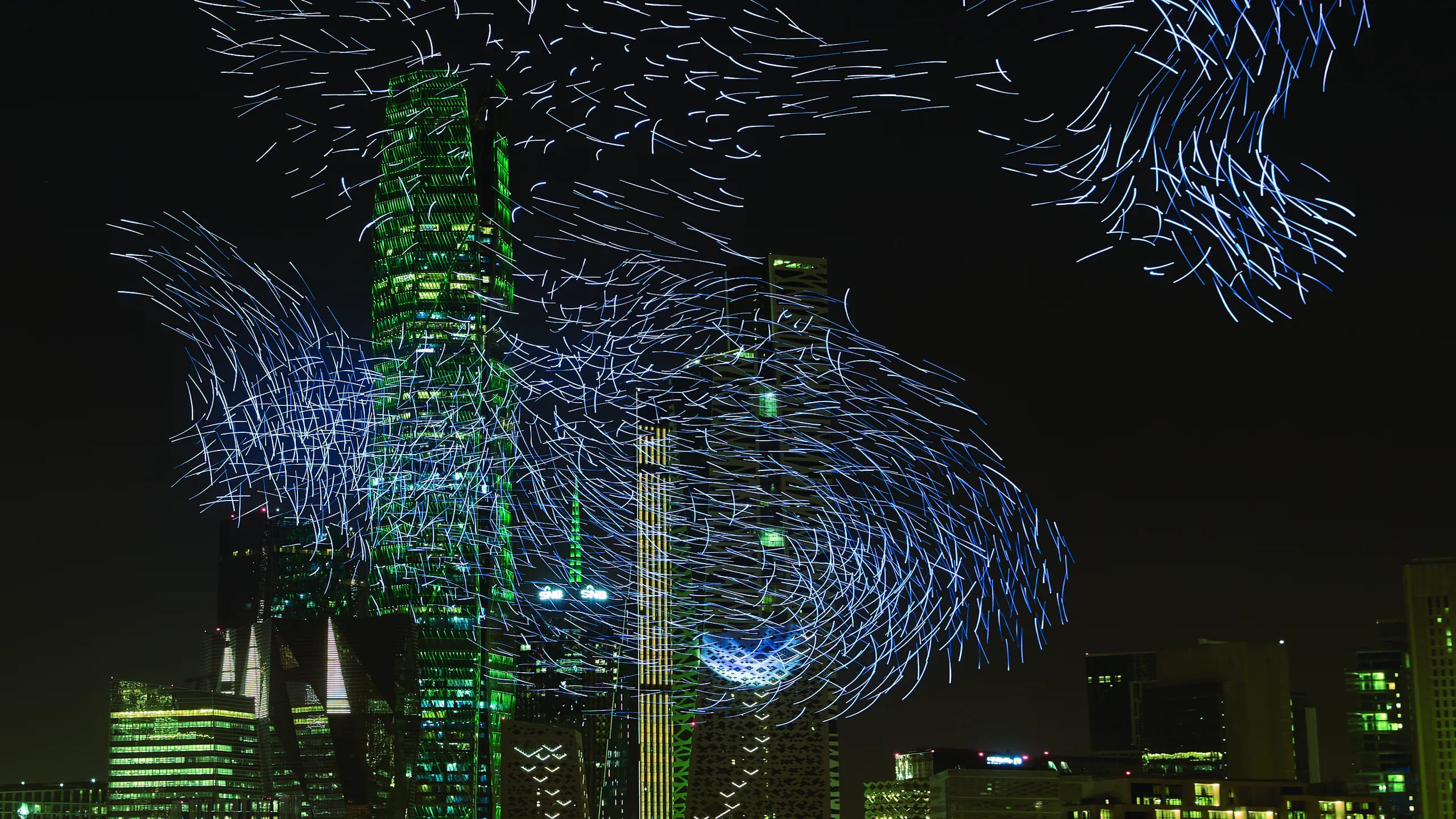
The global lighting industry is at the forefront of technological innovation, with new trends shaping the way we illuminate our homes, workplaces, and cities. As the world continues to embrace smart technology and sustainable solutions, the importance of staying ahead in the lighting industry has never been more crucial. The Lighting Design and Technology Expo, one of the most anticipated events in the field, offers a unique opportunity to explore the latest advancements and innovations in lighting. Held in Riyadh, this event brings together industry leaders, designers, and technology enthusiasts to delve into the future of lighting design and technology and deduce the Riyadh Lighting Expo 2024 insights.
The Lighting Design and Technology Expo in Riyadh is not just an event; it is a convergence of creativity, innovation, and cutting-edge technology. As a premier Riyadh lighting technology event, it serves as a platform for showcasing the latest advancements in lighting technology, from energy-efficient solutions to smart lighting systems. The expo is an essential destination for anyone involved in the lighting industry, whether you are a specialist, or simply a technology aficionado.
Riyadh, with its rapidly growing infrastructure and modern developments, is the perfect location for this prestigious event. The city’s dynamic landscape and commitment to innovation make it an ideal backdrop for exploring the latest lighting technology trends, especially in light of the Riyadh Real Estate Boom, The Riyadh Lighting Expo 2024 insights promise to offer a glimpse into the future of lighting design, highlighting how the industry is evolving to meet the demands of modern society.
One of the most exciting aspects of the Lighting Design and Technology Expo is the opportunity to discover the latest lighting technology trends. As the industry moves towards more sustainable and energy-efficient solutions, there is a growing emphasis on integrating smart technology into lighting systems. These trends are not only transforming the way we light our environments but also how we interact with lighting on a daily basis.
Among the key lighting technology trends is the rise of smart lighting systems. These systems, which can be controlled remotely via smartphones or other devices, offer unprecedented flexibility and customization. They are designed to enhance user experience, improve energy efficiency, and even contribute to health and well-being by adjusting lighting conditions based on time of day or specific activities.
Another significant trend is the increasing use of LED technology. LEDs are known for their energy efficiency and long lifespan, making them a popular choice for both residential and commercial applications. The expo will showcase the latest innovations in LED technology, including advancements in color rendering, brightness, and integration with smart systems.
Sustainability is also a major focus at the Riyadh lighting technology event. As environmental concerns continue to rise, the industry is responding with eco-friendly lighting solutions that reduce energy consumption and minimize environmental impact. The expo will highlight innovations in lighting design that prioritize sustainability, from materials used in production to energy-efficient technologies that reduce carbon footprints.
The Riyadh Lighting Expo 2024 is set to be a landmark event, offering a wealth of insights into the future of the lighting industry. Attendees can expect to see a wide range of innovations in lighting design, from cutting-edge products to forward-thinking concepts that challenge traditional notions of illumination.
One of the key areas of focus of the Riyadh Lighting Expo 2024 Insights will be the integration of lighting with smart technology. As cities around the world move towards becoming smarter and more connected, the role of lighting in urban environments is evolving. The expo will explore how smart lighting can be used to improve urban infrastructure, enhance public safety, and create more sustainable cities.
Another highlight of the Riyadh Lighting Expo 2024 will be the emphasis on human-centric lighting. This concept, which prioritizes the well-being of individuals, is becoming increasingly important in both residential and commercial lighting design. The Riyadh lighting technology event will showcase innovations in lighting design that take into account the impact of light on human health, mood, and productivity.
In addition to these themes, the Lighting Design and Technology Expo will also offer insights into the latest developments in lighting control systems. These systems are becoming more sophisticated, allowing for greater precision and flexibility in how lighting is used. Whether it is for a home, office, or public space, advanced lighting control systems can create customized lighting environments that adapt to the needs of users.
The Lighting Design and Technology Expo is more than just a showcase of the latest products; it is a glimpse into the future of the lighting industry. The innovations in lighting design that will be on display at the expo reflect the ongoing transformation of the industry, driven by advances in technology, sustainability, and human-centered design, as well as new real estate projects that integrate these cutting-edge lighting solutions.
From smart lighting systems that enhance our daily lives to sustainable solutions that reduce our environmental impact, the Riyadh Lighting Expo 2024 is set to highlight the most exciting developments in the field. For anyone involved in the lighting industry, this event is an invaluable opportunity to gain insights, network with industry leaders, and stay ahead of the curve in a rapidly evolving market.
In conclusion, the Lighting Design and Technology Expo in Riyadh is a must-attend event for those who are passionate about the future of lighting. As a premier Riyadh lighting technology event, it offers a unique platform to explore the latest lighting technology trends and gain valuable insights into the future of the industry. With a focus on innovations in lighting design, smart technology, and sustainability, the expo is set to illuminate the path forward for the global lighting industry.
To know more about this event and other Riyadh events, you can check Mada Properties website page. You may also take a look at the experts’ blog at our website to get comprehensive insight of all the developments in Saudi Arabia.
Written by: Sarah Chaher
September 4, 2024
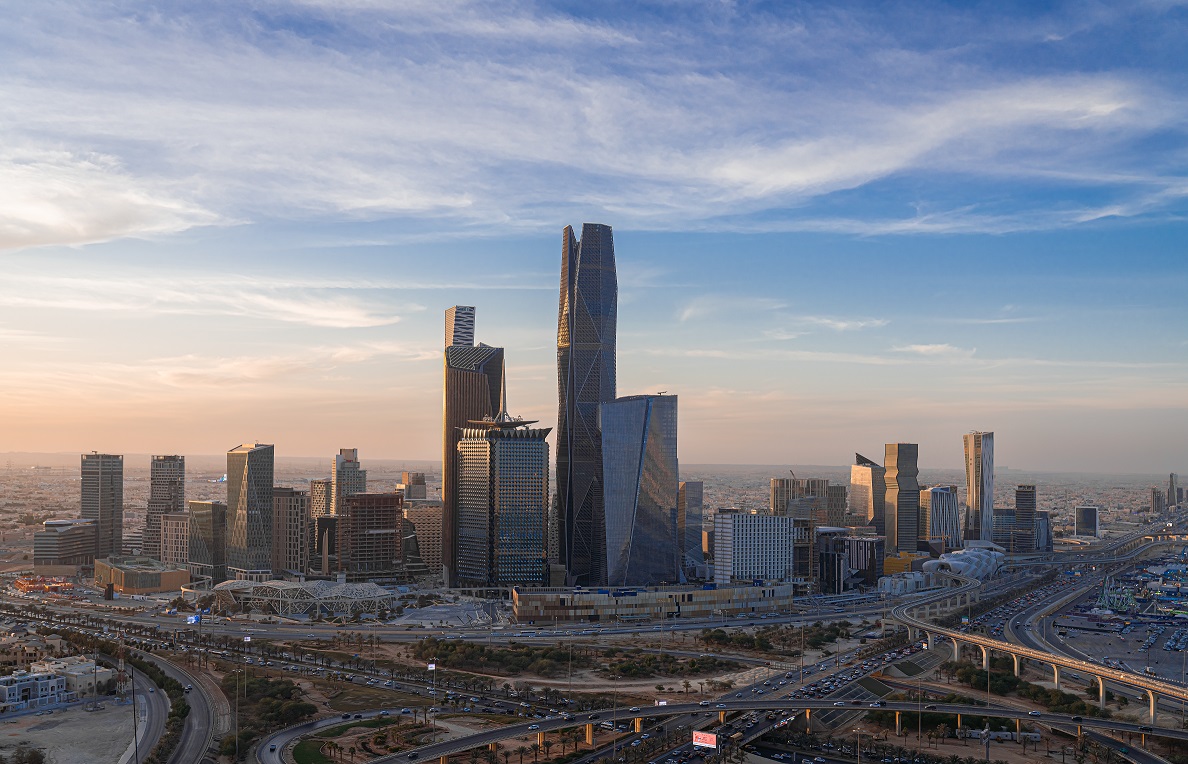
If you're passionate about the latest trends of interior design for your next project, INDEX Saudi Arabia 2024 is the event you do not want to miss. As the premier Riyadh interior design expo, this year’s event promises to be a spectacular showcase of cutting-edge trends and groundbreaking innovative interior design solutions.
INDEX Saudi Arabia is set to elevate the standards of innovative interior design solutions with its dynamic presentations and exhibitions. This year’s Riyadh interior design expo is not only a platform for discovering the latest interior design trends in Saudi Arabia but also a hub for networking with industry leaders, designers, and suppliers, and catching up with Riyadh INDEX Expo 2024 updates.
Riyadh Interior Design Expo is renowned for its comprehensive exhibition of products, technologies, and services. From luxurious furnishings to innovative architectural solutions, the expo covers every aspect of interior design. Whether you are a professional in the field or an enthusiastic homeowner, the event offers a unique opportunity to explore new ideas and gain insights into future Interior design trends in Saudi.
Following the agenda of Vision 2030, Saudi Arabia is experiencing a transformative period in interior design, reflecting broader changes in architecture, culture, and lifestyle. The 2024 edition of INDEX Saudi Arabia will highlight several emerging modes that are shaping the local and international landscape of interior design trends in Saudi:
1. Sustainable Design: As environmental concerns become increasingly important, sustainable design solutions are gaining traction. Expect to see a range of eco-friendly materials and energy-efficient technologies that emphasize sustainability without compromising on style.
2. Fusion of Traditional and Modern: Distinctive interior design trends in Saudi are the fusion of traditional Arabian elements with contemporary aesthetics. This blend creates a unique aesthetic that respects cultural heritage while embracing modern sensibilities.
3. Smart Home Integration: With the rise of technology, smart home features are becoming a standard in luxury interiors. At INDEX Saudi Arabia 2024, you will find innovative interior design solutions that integrate technology seamlessly into interior design, enhancing convenience and functionality.
4. Rich Textures and Colours: Bold colours and rich textures are making a comeback, adding depth and vibrancy to spaces. Expect to see a variety of materials, from plush velvets to intricate textiles, that bring a sense of opulence and warmth to interiors.
As the event approaches, several exciting Riyadh INDEX Expo 2024 updates are already generating buzz in the design community:
- New Exhibitor Lineup: The Riyadh interior design expo 2024 features an impressive roster of both established and emerging brands, offering a diverse range of products and services. This lineup includes leading international designers and local innovators, ensuring a rich variety of perspectives and ideas.
- Interactive Workshops and Seminars: The expo will host a series of workshops and seminars led by industry experts. These sessions are designed to provide valuable insights into the latest trends and techniques, offering practical advice for both professionals and enthusiasts.
- Innovative Product Launches: Many exhibitors will use the Riyadh INDEX Expo as a platform to launch new products and technologies. Attendees will have the first look at cutting-edge innovations and can interact directly with the creators behind them.
- Design Awards: The event will also feature design awards that recognize outstanding achievements in various categories. These awards celebrate creativity and excellence in interior design, providing inspiration for all attendees.
One of the highlights of INDEX Saudi Arabia is its focus on innovative interior design solutions. The Riyadh interior design expo is a showcase for groundbreaking products and technologies that push the boundaries of conventional design. Here’s a glimpse of what to expect:
- 3D Printing in Design: Advances in 3D printing technology are revolutionizing interior design. Attendees will see how 3D printing can create custom furniture and decor items with unparalleled precision and creativity.
- Augmented Reality (AR) and Virtual Reality (VR): AR and VR technologies are transforming the way we experience interior design. These tools allow designers and clients to visualize spaces and make design decisions with greater accuracy and confidence.
- Smart Materials: The use of smart materials that respond to environmental changes is an exciting development in interior design. These materials can adapt to light, temperature, and other factors, enhancing both functionality and aesthetics.
- Modular Design: Modular design solutions offer flexibility and adaptability, allowing spaces to be easily reconfigured to meet changing needs. This approach is particularly valuable in dynamic environments, such as offices and multifunctional spaces.
INDEX Saudi Arabia 2024 promises to be an extraordinary event for anyone interested in the future of interior design. With its focus on the latest Interior design trends in Saudi, innovative solutions, and exciting updates, the Riyadh interior design expo is set to inspire and engage attendees from around the world. Whether you are looking to stay ahead of design trends, discover new products, or connect with industry experts, INDEX Saudi Arabia offers a wealth of opportunities. Mark your calendar and prepare to immerse yourself in the world of innovative interior design solutions at this must-attend event.
To know more about this event and other Riyadh events, you can check Mada Properties website page. You may also take a look at the experts’ blog at our website to get comprehensive insight of all the developments in Saudi Arabia.
August 27, 2024
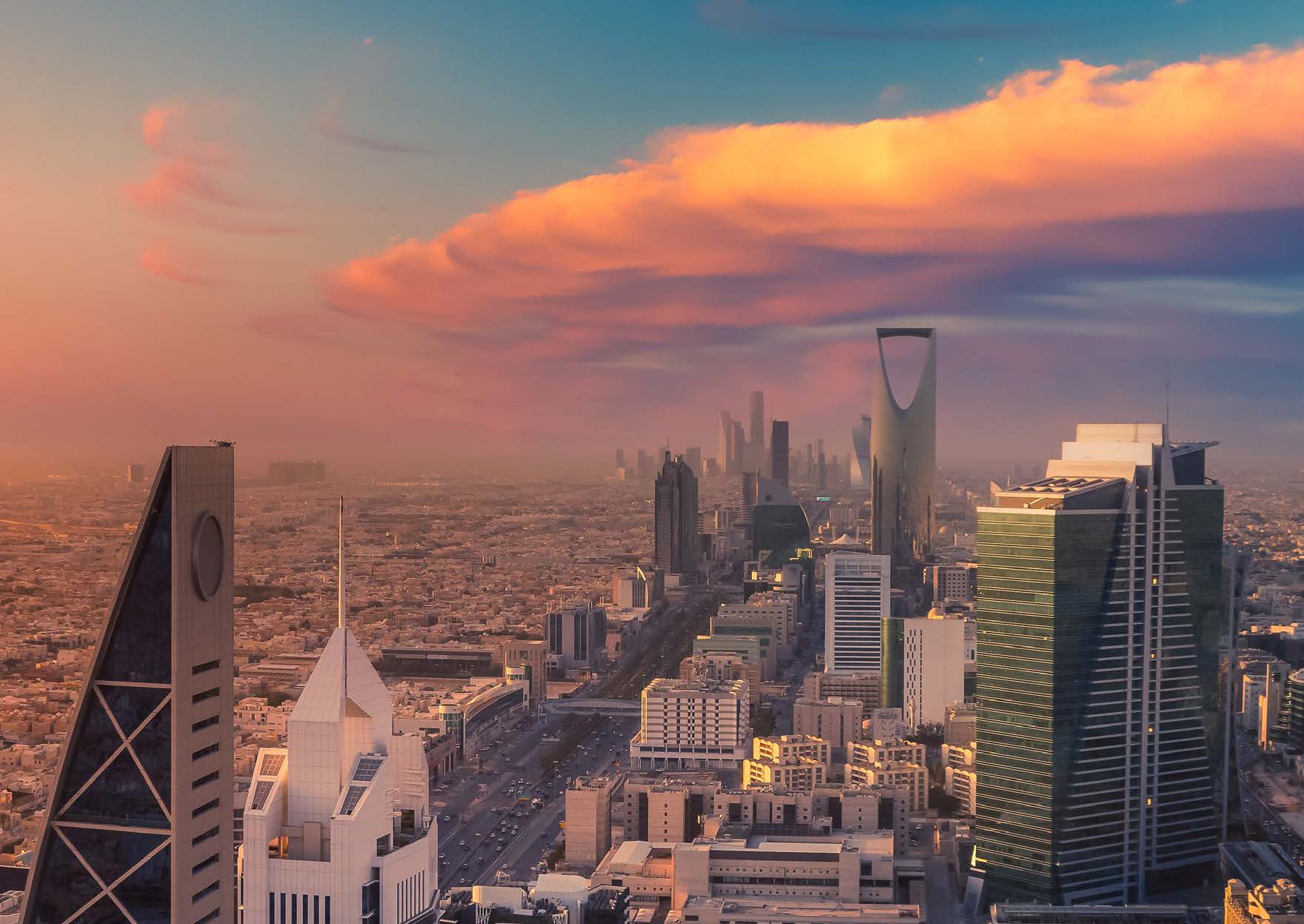
As the capital city of Saudi Arabia, Riyadh is not just the heart of the nation’s politics and culture, but also its hub for groundbreaking infrastructure developments. The Riyadh Infrastructure event 2024 promises to be a landmark event, shedding light on the latest trends and innovations shaping the urban landscape. With a focus on sustainable infrastructure solutions and ambitious development plans, this expo will offer a comprehensive view of how Riyadh is transforming into a modern metropolis.
Scheduled to be held in Riyadh, the Saudi Infrastructure Expo 2024 stands as a beacon for industry professionals, policymakers, and enthusiasts eager to explore the future of urban development. This high-profile event brings together leading experts, innovative companies, and government representatives to discuss and showcase the latest advancements in infrastructure. The expo is not only a platform for presenting new technologies but also an opportunity for networking, knowledge exchange, and exploring collaborative ventures.
Saudi Arabia has embarked on a transformative journey to diversify its economy and modernize its urban infrastructure. This drive is part of the broader Vision 2030 initiative, which aims to create a more sustainable and diversified economic landscape. The Riyadh Infrastructure event 2024 will highlight several key infrastructure developments in Saudi that are reshaping the city:
One of the most exciting Riyadh Expo 2024 infrastructure trends is the move towards smart cities. These initiatives focus on integrating digital technologies into urban planning to enhance efficiency and quality of life. From smart traffic management systems to advanced public services, Riyadh is embracing innovations that promise to make the city more connected and responsive.
Transportation remains a critical area of focus. With Riyadh’s rapid population growth, there is a pressing need for advanced transport solutions. The expo will feature infrastructure developments in Saudi such as the Riyadh Metro project, designed to alleviate traffic congestion and provide a more efficient public transport system. Additionally, new sustainable mobility solutions, including electric vehicle infrastructure and bike-sharing programs, will be discussed.
As part of the Vision 2030 goals, Riyadh is placing a significant emphasis on green building practices among the various infrastructure developments in Saudi. This includes the construction of energy-efficient buildings, the use of sustainable materials, and the incorporation of green spaces. The Saudi infrastructure expo will showcase various projects and technologies that are setting new standards for eco-friendly construction in the city.
Riyadh Expo 2024 Infrastructure Trends are set to be a showcase of cutting-edge conventions that are driving the future of urban infrastructure. Here’s a preview of some key trends to watch for:
Artificial Intelligence (AI) and the Internet of Things (IoT) are the most revolutionizing among the Riyadh Expo 2024 Infrastructure Trends. At the expo, expect to see how these technologies are being applied to enhance city services, optimize resource usage, and improve overall urban management. From predictive maintenance of infrastructure to real-time monitoring of city services, AI and IoT are at the forefront of urban innovation.
Sustainability is no longer a mere option but a necessity in urban planning. The Saudi infrastructure expo will highlight various sustainable infrastructure solutions, including energy-efficient designs, water conservation systems, and waste management strategies. These solutions are crucial for reducing the environmental impact of urban development and ensuring that Riyadh's growth is both responsible and resilient.
Public-private partnerships (PPPs) are becoming increasingly important among the infrastructure developments in Saudi. The Saudi infrastructure expo will feature discussions on how these collaborations can drive innovation and efficiency in urban projects. By leveraging private sector expertise and funding, Riyadh is positioning itself to achieve its ambitious infrastructure goals more effectively.
Sustainability is a central theme at the Riyadh Infrastructure event 2024. The need for sustainable infrastructure solutions is driven by global environmental concerns and the desire for long-term economic and social benefits. The expo will emphasize:
Integrating renewable energy sources into infrastructure projects is a key component of sustainability. The Saudi infrastructure expo will present advancements in solar, wind, and other renewable energy technologies that are being incorporated into Riyadh’s infrastructure. These innovations are essential for reducing the city’s carbon footprint and supporting a transition to cleaner energy sources.
Building infrastructure that can withstand environmental stresses and adapt to changing conditions is critical for long-term sustainability. The Saudi infrastructure expo will showcase resilient infrastructure designs that incorporate climate adaptation strategies, ensuring that Riyadh’s infrastructure can handle future challenges effectively.
Sustainable infrastructure also involves creating spaces that enhance the quality of life for residents. The Saudi infrastructure expo will highlight projects that prioritize community well-being, including green parks, pedestrian-friendly zones, and public spaces designed to foster social interaction and wellness.
The Riyadh Infrastructure event 2024 is set to be a pivotal event in the realm of urban development. As Riyadh continues to evolve into a modern, sustainable metropolis, the Riyadh Expo 2024 infrastructure trends will offer valuable insights into the trends, technologies, and solutions driving this transformation. With a focus on sustainable infrastructure solutions and innovative developments, the event will undoubtedly play a significant role in shaping the future of Riyadh’s urban landscape.
Whether you are a professional in the field or simply interested in the future of urban living, the Riyadh Infrastructure event 2024 is an event not to be missed. Therefore, to catch up with all the updates on the event, check Mada Properties website and take a look at the experts’ blogs there to know all about Riyadh’s events.

August 22, 2024
The Saudi Hospital Design and Build Expo, held annually in the capital, stands as the premier Riyadh healthcare construction event for showcasing the latest advancements in the industry across the Kingdom of Saudi Arabia. This pivotal component of Riyadh's burgeoning healthcare construction sector attracts industry professionals, architects, engineers, and decision-makers who are driving the future of healthcare facilities in the region. With a focus on cutting-edge design and build innovations in healthcare, the Expo reflects Saudi Arabia's commitment to enhancing its Riyadh healthcare infrastructure in line with Vision 2030.
The Saudi Hospital Design and Build Expo has quickly become one of the most important events on the Riyadh healthcare construction event calendar. With Saudi Arabia investing heavily in its healthcare sector, the Expo serves as a crucial platform for stakeholders to explore the latest trends in hospital design, discuss new technologies, and exchange ideas on improving healthcare environments. The Riyadh healthcare construction event also brings together global experts and local industry leaders to collaborate on projects that aim to improve the quality, efficiency, and sustainability of healthcare facilities in the Kingdom.
In recent years, Saudi Arabia has embarked on a significant expansion of its Riyadh healthcare infrastructure, as well as all around the kingdom, driven by the need to provide better services to its growing population. The government's Vision 2030 initiative has set ambitious targets for the healthcare sector, including the development of new hospitals, clinics, and specialized healthcare centres across the country. This Saudi Hospital Design and Build Expo plays a critical role in facilitating the realization of these goals by providing a venue for the exchange of ideas and the showcasing of design and build innovations in healthcare that can transform the healthcare landscape in Riyadh and beyond.
One of the key highlights of the Saudi Hospital Design and Build Expo is the focus on the latest trends in hospital design. As healthcare needs evolve, so too must the design of the facilities that deliver these services. At the Expo, participants have the opportunity to explore how modern hospital design is being shaped by new technologies, patient-centred care models, and sustainability considerations.
One of the significant trends in hospital design discussed at the Expo is the move towards more patient-centric environments. This involves creating spaces that are not only functional but also contribute to the healing process. For instance, the use of natural light, the integration of green spaces, and the incorporation of calming, nature-inspired aesthetics are becoming increasingly popular in hospital design. These elements are shown to reduce patient stress and promote faster recovery, aligning with the broader goal of enhancing patient outcomes.
Another emerging trend is the integration of advanced technologies into hospital design. Smart hospital technologies, including automated systems, AI-driven diagnostics, and telemedicine facilities, are increasingly being considered in the planning and construction of new healthcare facilities. These technologies not only improve the efficiency of healthcare delivery but also enhance the overall patient experience by enabling more personalized and accessible care.
Riyadh healthcare infrastructure is a critical component of Saudi Arabia’s broader development strategy. As the capital city and the country’s largest urban centre, Riyadh is at the forefront of healthcare development in the Kingdom. The Saudi Hospital Design and Build Expo highlights the city's role as a hub for investment, design and build innovations in healthcare.
The Riyadh healthcare construction event marks the government’s focus on enhancing Riyadh healthcare infrastructure through the numerous construction projects currently underway in the city. These projects range from the expansion of existing hospitals to the construction of entirely new healthcare facilities equipped with the latest medical technologies. The Expo serves as a platform for these projects to be showcased, allowing industry professionals to gain insights into the latest developments and collaborate on future initiatives.
One of the key themes of the Expo is the emphasis on building healthcare facilities that are resilient, adaptable, and capable of meeting future healthcare challenges. This includes designing hospitals that can accommodate the rapidly changing landscape of healthcare, such as the increasing demand for outpatient services and the need for flexible spaces that can be repurposed as medical needs evolve.
The Saudi Hospital Design and Build Expo is a showcase for the latest design and build innovations in healthcare. From cutting-edge architectural designs to innovative building materials, the Expo presents a comprehensive view of the tools and technologies that are shaping the future of healthcare facilities in Saudi Arabia.
One of the most exciting areas of design and build innovations in healthcare on display at the Expo is the use of sustainable building practices in hospital construction. With the growing awareness of environmental issues, there is a strong push towards designing and building hospitals that are energy-efficient, environmentally friendly, and sustainable in the long term. This includes the use of renewable energy sources, water conservation technologies, and sustainable materials in construction.
In addition to sustainability, the Riyadh healthcare construction event also highlights the importance of modular construction techniques. These techniques allow for faster, more cost-effective construction while maintaining high standards of quality and safety. Modular construction is particularly well-suited to the healthcare sector, where the need for new facilities often arises quickly and unexpectedly, such as in response to pandemics or other public health emergencies.
The Saudi Hospital Design and Build Expo is more than just a trade show; the Riyadh healthcare construction event is a reflection of Saudi Arabia’s commitment to advancing its healthcare sector. By bringing together industry leaders, innovators, and decision-makers, the Expo plays a vital role in shaping the future of Riyadh healthcare infrastructure in the capital itself and beyond. As the Kingdom continues to invest in its healthcare sector, the innovations and trends in hospital design showcased at the Expo will undoubtedly play a crucial role in ensuring that Saudi Arabia’s healthcare facilities are equipped to meet the needs of its people for years to come.
To get all new about Saudi Arabia events firsthand, you can visit Mada Properties website and read the latest updates in the expert blogs.
August 16, 2024
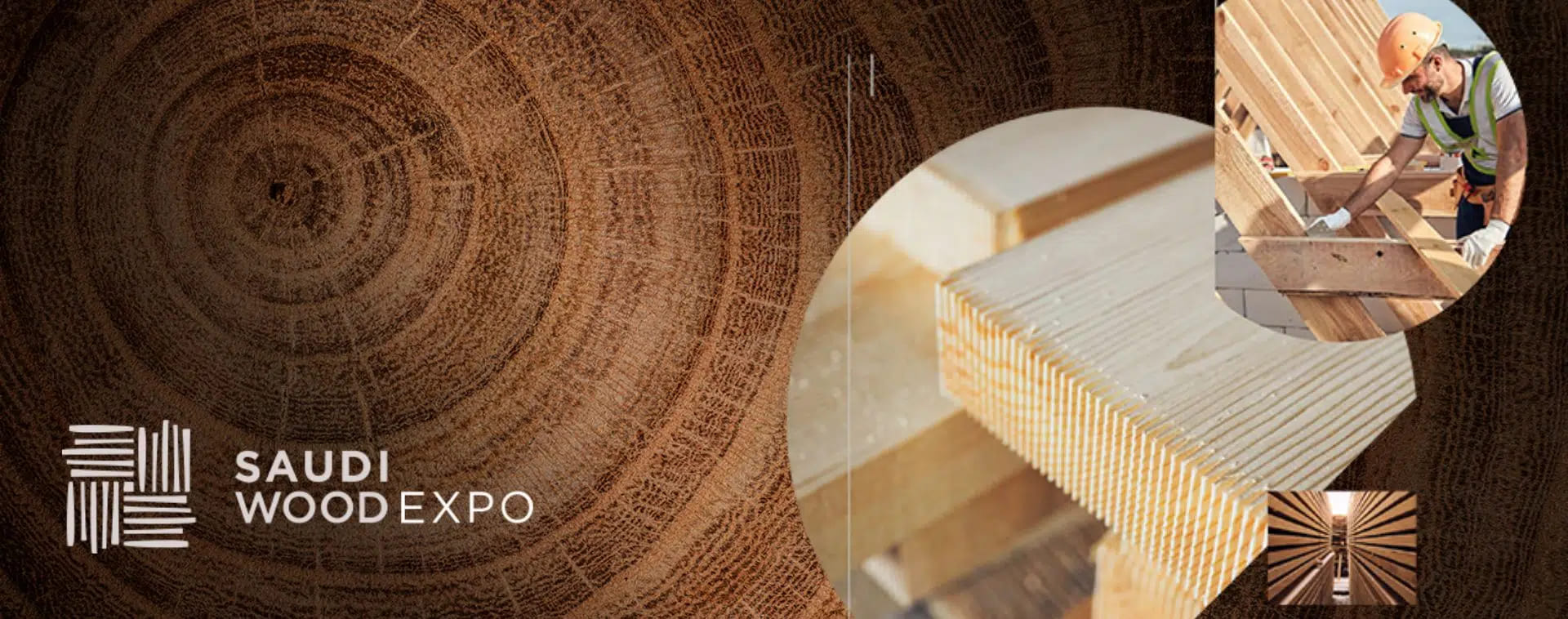
If you are a wood enthusiast or work in the furniture or interior design industries, the Saudi Wood Expo 2024 is an event you cannot miss. It opens new doors to the world of wooden products, sustainable wood practices, and wood industry innovations. The Riyadh wood industry event is the largest wood industry gathering in the Middle East, and this year it will be held from September 2 to 4 in Riyadh, at the Riyadh International Convention and Exhibition Centre. This event will be an exceptional platform to showcase the latest trends, technologies, and sustainable wooden products.
As these exhibitions are essential platforms to ensure your presence in your specialized job market, Saudi Wood Expo serves as a crucial meeting point bringing together leaders in wood industry innovations, craftsmen, and pioneers in sustainable wood practices. Exhibitors will present their products, while those interested in these services can benefit from the variety of offers available at the event. If you seek to enhance your projects with creativity and innovation, the Riyadh wood industry event provides a rare opportunity to interact with wood industry development experts and expand your network in this field. At Saudi Wood Expo 2024, you will have the chance to explore the latest innovations and technologies shaping the future of wood industry both in the Kingdom and on a global level.
The exhibition allows you to explore a wide range of products and services from over 100 exhibiting companies. Each company seizes the opportunity at the Riyadh wood industry event to showcase the latest wood industry innovations. This provides you with multiple opportunities to explore your specific needs through getting close to sustainable wood practices knowledge. With over 3,500 products on display, you will find everything you need to meet your project requirements. At Saudi Wood Expo 2024, you will find:
The products showcased at Saudi Wood Expo 2024 focus on providing integrated solutions aimed at sustainable wood practices, drawing inspiration from future visions to offer eco-friendly products that support a better climate and a healthier environment in the Kingdom as part of Vision 2030 and wood industry innovations.
The exhibited products cover various needs for furnishing projects with the highest quality. Saudi Wood Expo 2024 offers an open platform to display various wood industry innovations, inspiring new ideas for developing home or business furniture.
Exhibitors at the Riyadh wood industry event are committed to providing a range of market needs for wood and wood industry innovations, including construction and design requirements.
Wood panels and wood composites (MDF) have been widely used for years due to their contribution to many wood industry innovations, offering versatile solutions.
The Riyadh wood industry event treats door and window designs as an art form, with some exhibitors at Saudi Wood Expo 2024 specializing in providing wooden materials for interior and exterior construction details, focusing on doors and windows.
Wood industry innovations have become fundamental in construction today, both in the Kingdom and worldwide. To furnish spaces with elegance and durability, participants in the Riyadh wood industry event offer luxurious design options for wood flooring.
To provide a higher level of service aligned with the Kingdom's development and elevate wood industry innovations to a modern status in line with Vision 2030, a wide range of woodworking machines and electrical tools will be presented at the Riyadh wood industry event. Exhibitors at Saudi Wood Expo 2024 are committed to advancing the Saudi wood industry technology for the highest efficiency in manufacturing and processing.
In an effort to foster wood industry innovations in the Kingdom by making craftsmanship more versatile, participants in the Riyadh wood industry event offer various options for pergolas and wood veneers to help produce unique and luxurious outdoor designs.
saudi wood show 2024 is distinguished by its focus on sustainable wood practices and wood industry innovations, contributing to solutions that align with modern environmental trends. Through creativity and new technologies, the exhibition aims to enhance your projects with the best materials and services that support sustainable wood practices and success simultaneously.
Don’t miss the opportunity to be part of this leading event. Register now and visit Saudi Wood Expo 2024 to be at the heart of the event and take advantage of unparalleled opportunities!
You may also be up to date with all new concerning Riyadh Wood Expo 2024 updates and all other events by checking Mada Properties website, and reading the blogs covering all new in the KSA.
April 23, 2024
Riyadh, 14 Shawwal 1445 AH / April 23, 2024
Diriyah region, represented by its officials, has unveiled its new project - Zilal - as one of its most important and latest multi-use projects, located within the Bujairi area overlooking Wadi Hanifa and the historic At-Turaif District. The opening of the Zilal project is scheduled for the first half of 2025.
The project spans a vast area of up to 14,000 square meters designated for investment spaces. Upon completion, the project will offer investors office buildings and rental spaces totaling up to 6,000 square meters, along with 12 diverse commercial spaces covering approximately 8,000 square meters. Given the global interest in investing in Riyadh, project officials have sought to provide opportunities for those aspiring to enter the Saudi economic market. The project will open doors for foreign investment by leasing to numerous foreign companies and institutions, in addition to local investments, which see the project as a promising opportunity to launch or expand their various brands in the Kingdom, given its prominent location that reflects Saudi Arabia's authentic identity, blending the pristine heritage and visionary development.
Officials are currently in negotiations to lease various spaces to several famous international brands looking to open their businesses in Saudi Arabia for the first time or to expand their already existing ones, in addition to various local companies with different activities.
The CEO of Diriyah Development Company, Jerry Inzerillo, stated: "We are currently in advanced negotiations with global and local companies interested in benefiting from the project's distinguished location in the heart of Diriyah District, and the diverse array of commercial spaces, restaurants, cafes, and administrative offices available."
Regarding the construction progress, Inzerillo explained: "Construction works in the project are proceeding rapidly, as Zilal project is expected to maintain the increasing momentum in Diriyah. Upon its opening, the project will benefit from the visits of thousands of daily visitors to Bujairi Terrace, becoming the latest integrated area in our main development map, which is rapidly evolving."
The Zilal project is expected to provide various jobs for around 500 people. It is also anticipated to attract global and local investments on various levels. Due to the nature of the surrounding area, its main objectives include enhancing cultural and touristic presence in the capital and the Kingdom as a whole. The project is expected to be a key factor in the local economy's growth and in enhancing Diriyah's status as one of the distinguished destinations nationally and globally.
The project's significance stems firstly from its distinguished location in Diriyah District, making it close to the famous Bujairi Terrace, the Future Arts Center in Diriyah, in addition to the Bab Samhan hotel, which is expected to open in the near future. Due to its strategic location, it is easily accessible, directly connected to Wadi Hanifa and Imam Abdulaziz bin Muhammad bin Saud Road. Additionally, there is an area designated for public transportation and a pedestrian zone, while visitor vehicles will be served through the construction of underground parking accommodating up to 1,400 vehicles.
As for the project's surroundings, represented by Bujairi Terrace inspired by the famous Najdi heritage, it boasts a variety of international restaurants and renowned brands opening their branches for the first time in the Kingdom and the Middle East. Furthermore, this luxurious entertainment selection is adjacent to the historic At-Turaif District, listed in UNESCO's World Heritage List. Accordingly, Diriyah Development Company has affirmed its commitment to global sustainability standards, enhancing environmental protection and quality of life, and utilizing the best and latest technologies in this field.
The launch of "Project Zilal" is one of the initial steps announced recently, which Diriyah Development Company is working on developing to enhance multi-use tourism, heritage, and cultural projects in distinguished locations with sustainable standards.
February 28, 2024
The skyline of Riyadh, the bustling capital of Saudi Arabia, has been evolving rapidly over the past few decades, mirroring the economic growth and development of the kingdom. With its rich history, strategic location, and ambitious vision for the future, Riyadh has become a magnet for real estate investment, experiencing a significant boom that has transformed its urban landscape. In this blog post, we will delve into the past, present, and future of Riyadh's real estate market.
The roots of Riyadh real estate boom can be traced back to the rapid modernization and urbanization efforts initiated by the Saudi government in the latter half of the 20th century and the Housing Program operated by the Ministry of Municipal, Rural Affairs, and Housing. With oil revenues fuelling ambitious development projects, Riyadh underwent a remarkable transformation from a relatively small desert town into a modern metropolis. Skyscrapers began to dot the skyline, luxurious residential compounds emerged, and state-of-the-art commercial developments reshaped the cityscape.
During this period, government initiatives played a pivotal role in driving the Riyadh real estate boom and market growth. Infrastructure projects, such as highways, bridges, and public transportation networks, laid the groundwork for further expansion. Additionally, favourable policies and incentives were introduced to attract both domestic and international investors, stimulating demand for residential, commercial, and hospitality properties.
Today, standing as a dynamic hub of economic activity and cultural diversity, the Riyadh real estate boom continues to thrive. Several factors contribute to the current evolution of real estate in Riyadh:
1. Population Growth: Riyadh's population has been steadily increasing, driven by factors such as urbanization, internal migration, and a growing expatriate workforce. This demographic expansion creates a noticeable market growth, such as sustained demand for housing, commercial space, and amenities. This surge in demand plainly boosts the future of Riyadh real estate and revolutionizes the real estate trends in Riyadh.
2. Diversification Efforts: In line with Vision 2030, Saudi Arabia's ambitious blueprint for economic diversification and social reform, Riyadh is witnessing significant investments in non-oil sectors such as tourism, entertainment, and technology. These developments directly affect the evolution of real estate in Riyadh as they spur demand for various real estate assets, including hotels, entertainment venues, and innovation hubs.
3. Infrastructure Development: Ongoing infrastructure projects, such as the Riyadh Metro and the expansion of King Khalid International Airport, enhance connectivity and accessibility within the city, further driving demand for properties located in strategic locations, reinforcing, as such, the Riyadh real estate boom.
4. Foreign Investment: The Saudi government's efforts to attract foreign investment, coupled with regulatory reforms aimed at improving the ease of doing business, have positioned Riyadh as an attractive destination for global investors seeking opportunities in the Middle East. The future of Riyadh real estate is interlinked with these efforts, as all types of investments require a base for them in the country.
5. Sustainable Development: With the recent real estate trends in Riyadh that dictate increasing emphasis on sustainability and environmental consciousness, Riyadh's real estate sector is witnessing a shift towards eco-friendly practices, green building designs, and smart city initiatives.
Studying the real estate trends in Riyadh unveils the how solid the Riyadh real estate boom is established. It ensures that the observed market growth in the present is foreseeing an economically stable and solid future of Riyadh real estate.
Looking ahead, the future of Riyadh real estate is poised for market growth and evolution. Several key real estate trends in Riyadh are expected to shape this future trajectory:
1. Smart Urbanization: Riyadh aims to become a leading smart city, leveraging technology to enhance efficiency, sustainability, and quality of life for its residents. Investments in digital infrastructure, IoT solutions, and smart grid systems will redefine the urban experience and drive demand for innovative real estate solutions, even accelerating the Riyadh real estate boom.
2. Mixed-Use Developments: The concept of integrated, mixed-use developments, combining residential, commercial, retail, and recreational components, is gaining traction when it comes to real estate trends in Riyadh. These projects not only optimize land utilization but also create vibrant, walkable communities that cater to diverse needs and preferences.
3. Affordable Housing: Addressing the housing needs of a growing population, particularly middle- and lower-income segments, remains a priority. The government, along with private developers, is expected to focus on delivering affordable housing solutions through targeted initiatives and incentives. Hence, while the development the Kingdom is going through caused Riyadh real estate boom, the local requirements were of a main cause as well.
4. Tourism and Hospitality: As Saudi Arabia opens up to international tourists and promotes domestic tourism, Riyadh's hospitality sector is poised for expansion. Investments in hotels, resorts, and leisure attractions will cater to increasing visitor arrivals and bolster the city's position as a tourism hub. This market growth is welling to create an evolution of real estate in Riyadh that necessarily contributes to the Riyadh real estate boom.
5. Sustainable Practices: Environmental sustainability will be integral to bolster the future of Riyadh, with a greater emphasis on energy efficiency, renewable energy sources, and green building certifications. Sustainable design principles will not only reduce carbon footprint but also enhance long-term asset value and attractiveness.
However, to assert the evolution of real estate in Riyadh, achieving the aforementioned aspirations requires concerted efforts from stakeholders across the public and private sectors. Addressing regulatory hurdles, fostering innovation, and ensuring inclusivity will be essential to sustaining Riyadh real estate boom and momentum in the years to come.
In conclusion, Riyadh real estate boom reflects its journey from a historical capital to a modern, cosmopolitan city at the forefront of regional development. While the past laid the foundations for the market growth, the present is characterized by dynamic expansion and diversification. Looking to the future of Riyadh real estate, the capital is poised to embrace innovation, sustainability, and inclusivity as it continues to redefine urban living and shape the aspirations of generations to come.
To know more about the real estate development in Riyadh, do not hesitate to contact Mada Properties to keep you updated on the latest and most luxurious residential and commercial projects in Riyadh.
February 25, 2024
In the picturesque city of Altaif, nestled amidst the rugged terrain of Saudi Arabia, lies a burgeoning real estate market that caters to a diverse range of residents as it offers budget-friendly neighbourhoods, especially for the families. Furthermore, Altaif now stands as an attractive tourist destination next to nothing when it comes to its weather and natural landscape. While the city is renowned for its historical landmarks, vibrant culture, and stunning landscapes, the affordable living in Altaif and the variety of economical housing options it offers are deemed a bargain for both locals and expatriates alike. In this blog post, we will delve into some of the accessible and budget-friendly investment options available in Altaif.
Altaif's housing market is characterized by a mix of traditional architecture and modern developments. Finding dream homes in Altaif is straightforward as the city boasts a range of residential options, from spacious villas and apartments to cozy townhouses and studios. What sets Altaif apart is its commitment to providing affordable housing solutions to accommodate the needs of its growing population.
For those seeking affordable living in Altaif, the budget-friendly neighbourhoods offer you premium apartments that present a convenient and cost-effective choice. According to experts’ financing tips, these units are considered budget-friendly living in KSA, that present you a profitable investment since, beside their considerable area sizes, they often come equipped with essential amenities, such as parking spaces, security services, and recreational facilities. The choices for affordable living in Altaif vary a lot since it has become a new destination of investment in the Kingdom. Some of these choices are:
Altaif is witnessing the development of new budget-friendly neighbourhoods to accommodate its growing population. These emerging areas often offer affordable real estate investment opportunities compared to more established neighbourhoods. Investing in properties in these burgeoning locales can yield significant returns in the long term as infrastructure improves and demand for housing grows. Some financing tips recommend you keep an eye on areas like Al Shafa, Al Hada with its mountainous roads, and Al Qadisiyah for potential investment prospects, as they present an option of the budget-friendly living in KSA.
Off-plan projects, also known as pre-construction or under-construction properties, can be a lucrative option, in the financing tips and terms, for investors looking to enter the Altaif real estate market at an affordable price point. Developers often offer attractive payment plans and discounts for off-plan properties, making them accessible to investors with varying budgets. By investing in off-plan projects, investors can capitalize on early-stage prices and benefit from potential capital appreciation upon project completion.
The Saudi government has launched several initiatives to stimulate real estate investment and homeownership across the country. Programs such as the Sakani scheme provide financial assistance, subsidies, and incentives to eligible individuals and families seeking to purchase residential properties budget-friendly neighbourhoods. Investors can explore opportunities to participate in government-backed projects or developments aligned with these initiatives, thereby tapping into finding dream homes in Altaif, and securing affordable investment options with potential long-term gains.
As Altaif continues to develop economically, there is a growing demand for commercial spaces in emerging business districts and commercial hubs. Investing in commercial properties such as retail shops, offices, or small-scale commercial complexes in these up-and-coming areas can offer affordable entry points for investors. By targeting areas with projected commercial growth and rental demand, investors can secure steady rental income and capitalize on future appreciation according to some financing tips.
Collaborating with local developers or real estate firms through joint ventures or partnerships can provide investors with access to affordable investment opportunities in Altaif. By pooling resources and expertise, investors can participate in larger-scale projects or developments that may otherwise be out of reach individually and work on offering projects that provide the best budget-friendly living in KSA. Also, in financing tips and terms, joint ventures also offer the benefit of risk-sharing and diversified portfolios, enhancing the overall affordability and potential returns of real estate investments.
Altaif offers a perfect mix of luxury and affordability, with a range of housing options from cozy townhouses to budget-friendly villas, providing comfort and modern amenities for all.
Townhouses are another popular choice among individuals and families looking for affordable living in Altaif. These properties typically feature multiple bedrooms, spacious living areas, and private outdoor spaces. With their charming designs and convenient locations in budget-friendly neighbourhoods, these townhouses offer a blend of comfort and affordability that appeals to a wide range of residents.
While villas are often associated with luxury living, Altaif offers a range of budget-friendly living in KSA for those seeking more space and privacy. These villas may be smaller in size compared to their upscale counterparts, but they still provide ample living space, modern amenities, and an opulent affordable living in Altaif. Further, many budget-friendly villas in Altaif are located in residential compounds, offering residents access to shared facilities such as swimming pools, gyms, and playgrounds, while also aligning with the experts’ financing tips on the profitable real estate investment bargains.
Altaif, with its dynamic real estate landscape and favorable investment climate, presents numerous affordable opportunities for savvy investors and for those who seek finding dream homes in Altaif. Whether through emerging residential areas, off-plan projects, government initiatives, commercial properties, or strategic partnerships, investors can find accessible avenues to capitalize on the city's growth and development, while residents can enjoy the affordable living in Altaif. By conducting thorough research, leveraging local expertise, and staying informed about market trends, investors can unlock the potential of affordable real estate investment in Altaif, Saudi Arabia.
Hence, to be updated on all the real estate investment opportunities to seize your best chance, keep in contact with Mada Properties to stay up to date with all the industry updates.
February 19, 2024
The interior design in Saudi homes often reflects a blend of traditional elements with the foundations of modern aesthetics.
Designers in Saudi Arabia tend to adopt a specific theme around which the entire design concepts are built, in order to provide comfortable spaces that follow modern trends in design while maintaining a balance between luxury and practicality.
Below are some tips to enhance the interior decoration design of Saudi homes:
Islamic art and calligraphy hold significant cultural value in the interior design of Saudi Arabia. Integrate elements such as Arabic calligraphy, geometric patterns, and motifs in comfortable spaces, wall art, rugs, or even on decorative pieces like vases or lamps.
Traditional influences on modern trends in interior design are reflected through various techniques, including exterior facades, entrance portals and gates, interior courtyards, mosque design, as well as details in interior walls and ceilings. Additionally, elements like architectural details, lighting fixtures, courtyard gardens, interior furnishings, and custom art installations all showcase this blend of tradition and modernity.
Interior design in Saudi Arabia also dictates using rich fabrics for furniture in Saudi Arabia can add a touch of luxury, comfort, and elegance to interior comfortable spaces. Here are some popular choices and tips for incorporating rich fabrics into furniture design: Choose luxurious fabrics like silk, velvet, or brocade for curtains, cushions, and upholstery. Rich fabrics not only add elegance but also provide a sense of comfort and opulence.
You also have options of chenille and damask for upholstery on furniture pieces, patterned jacquard to add depth and dimension to the interior décor, and tapestry fabrics to accent chairs or benches.
Earthy tones such as beige, brown, and terracotta are popular choices for wall colours in Saudi homes. Accentuate these neutral tones with vibrant hues like royal blue, emerald green, or deep red in accessories, rugs, or artwork to add visual interest.
By incorporating earthy tones into the interior design of Saudi homes, you can create a harmonious and welcoming environment that celebrates the natural beauty of the surroundings while providing a sense of comfort and tranquillity.
Traditional Saudi furniture, such as elaborately carved wooden pieces or brass embellished items, can add character to the interior. Mix traditional pieces with modern trends and furniture for a balanced look that pays homage to Saudi heritage while embracing contemporary interior design with Saudi aura.
Incorporating traditional furniture into Saudi homes can add a sense of heritage, cultural richness, and elegance in Saudi Home Design.
Accomplishing the interior design in Saudi suggests creating a Majlis-style seating area in Saudi Arabia can be a wonderful way to embrace traditional Arab culture and hospitality while providing a cozy and inviting space for socializing and relaxation.
Designate comfortable spaces for a majlis-style seating area, which typically consists of floor cushions or low sofas arranged around a central coffee table. This setup encourages socialization and reflects traditional influence Saudi hospitality.
Incorporate natural materials like wood, stone, and marble into your home decor. Wooden furniture with intricate carvings or stone accents can add a touch of authenticity and warmth to the interior.
According to the modern trends of the interior design in Saudi, integrating these factors into the décor ensures providing comfortable living spaces.
Lighting plays a crucial role in the interior design of Saudi Arabia, influencing the ambiance, functionality, and aesthetics of a space. Incorporate a combination of ambient, task, and accent lighting to create a layered effect that enhances the ambiance of the space. Consider installing ornate chandeliers or pendant lights with Arabic-inspired designs for a touch of sophistication.
Lighting can create visual interest and depth within a space by playing with shadows, contrasts, and layers of illumination. As well, it defines different zones within an open-concept space and create a sense of flow and cohesion.
According to the interior design in Saudi, if space permits, consider adding a courtyard or indoor garden to your home as it will guarantees comfortable spaces for the daily activities of your family. This also provides a tranquil retreat and promotes natural ventilation, which is particularly beneficial in Saudi Arabia's climate.
Moreover, in modern trends lexicon, adding a courtyard to place will influence elegance in Saudi home design and more comfortable living spaces.
Respect for privacy and modesty is essential in the interior design of Saudi and their social culture. Ensure that your interior design provides adequate privacy through the use of curtains, screens, or partitions, especially in areas where family members and guests gather.
Applying Modern Trends to achieve privacy could create comfortable spaces, and at the same time ensure elegance in Saudi home design.
Showcase family heirlooms, antique artifacts, or traditional crafts as decorative pieces to infuse your home with personal history and cultural significance.
Traditional influences inspire elegance in Saudi home design as they constitute a sense of uniqueness to your house.
By incorporating these tips, you can create an inviting and culturally enriched interior design that reflects the unique heritage of Saudi Arabia while embracing contemporary aesthetics.
And to know more about home hacks and the best real estate options in Riyadh and all around Saudi Arabia, contact us at Mada Properties to provide you with the best deals in the market.